Romanian Fruit Liqueurs: Vișinată, Zmeurată and Afinată
Discover Romania's tradition of homemade fruit liqueurs, from ruby-red vișinată to fragrant zmeurată, and learn how they are made, served and enjoyed.
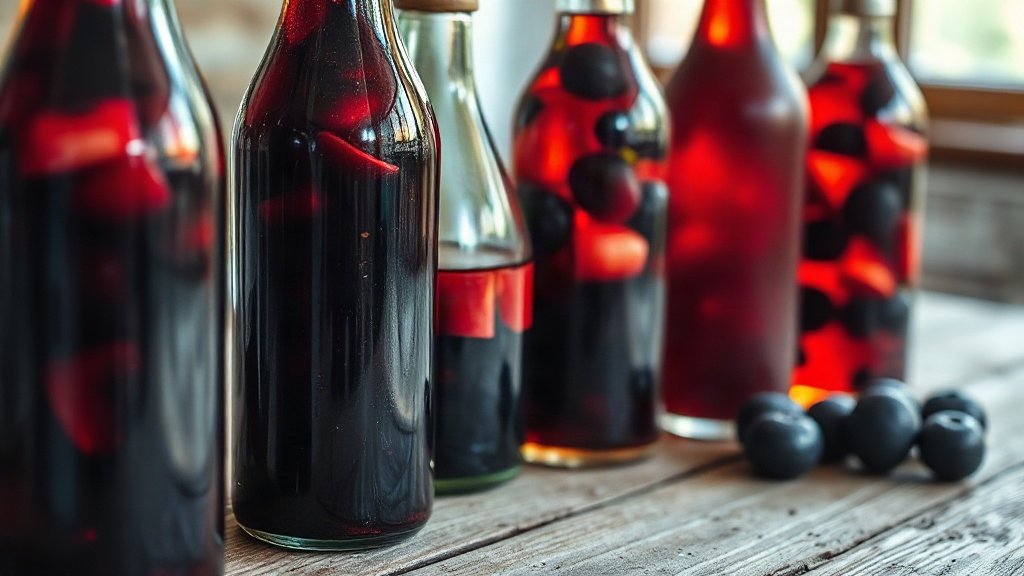
Illustration: AI-generated image
Walk into a Romanian home in late autumn and you may be offered a small glass of something deeply coloured and intensely fruity. It is not wine or brandy, but a homemade liqueur, patiently steeped from summer fruits and kept for festive moments. These liqueurs—known collectively as liqueur de fructe or simply by their fruit name—are a quiet cornerstone of Romanian hospitality.
What are Romanian fruit liqueurs?
Romanian fruit liqueurs are sweet, alcoholic infusions made by macerating fresh fruit in a base spirit, usually țuică (plum brandy) or a neutral grain alcohol. Sugar is added to draw out the fruit's juices and create a syrupy texture. The result is a vivid, aromatic drink that captures the essence of the fruit long after the season has passed.
The most iconic is vișinată, made from sour cherries (vișine). Its deep red colour and balanced sweet-tart flavour make it a favourite at celebrations. Zmeurată, from raspberries (zmeură), is lighter and more delicate, while afinată, using wild blueberries (afine), has an intense woodland aroma. Other common varieties include apricot (caisată), blackberry (murată), and even green walnut (nucată), though the last is more often made as a bitter digestive.
How they are made
The process is simple and has hardly changed for generations. Clean, ripe fruit is placed in a large glass jar, covered with sugar, and left to macerate for several days until the fruit softens and releases its juice. Alcohol is then added—enough to cover the fruit completely—and the jar is sealed and stored in a cool, dark place. Over the following weeks or even months, the alcohol extracts colour, flavour, and aroma from the fruit. Some families add a cinnamon stick, a vanilla pod, or a few cloves for extra warmth.
After maceration, the liqueur is strained through cheesecloth or a fine sieve, bottled, and often left to mellow for another month or more. The longer it rests, the smoother it becomes. Many households keep a bottle for at least a year before opening, bringing it out for Christmas, Easter, or a special guest.
How to drink them
Romanian fruit liqueurs are typically served chilled or at room temperature in small stemmed glasses, similar to sherry or cordial glasses. They are meant to be sipped slowly, not knocked back. A glass of vișinată after a heavy meal acts as a digestive, while zmeurată might accompany a slice of cake or a bowl of fresh fruit. They are also poured over vanilla ice cream or used to moisten sponge cakes.
In rural areas, a host may offer a small glass as a welcome, often alongside a plate of homemade biscuits or cozonac. It is polite to accept, even if you only take a sip—refusing may be seen as rejecting hospitality.
Where to find them
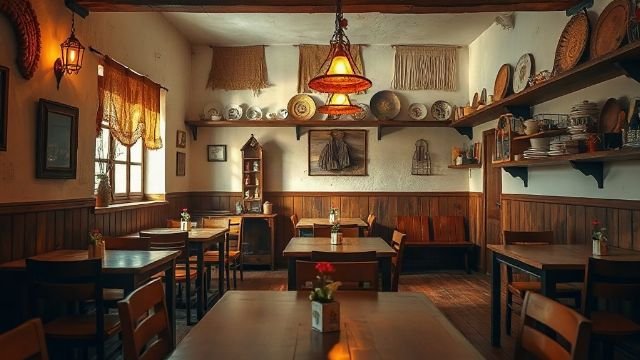
Because these liqueurs are almost always homemade, they are rarely found in supermarkets. The best way to try them is to be invited into a Romanian home, or to stay at a rural guesthouse (pensiune) where the owners often make their own. Some small producers sell at local markets or agricultural fairs, especially in late autumn and winter. If you are offered a bottle as a gift, consider it a true compliment: it represents hours of patience and a family's pride in their fruit harvest.
For visitors, learning to recognise these liqueurs by their colour and fruit content is part of understanding Romanian food culture. A deep red bottle with whole sour cherries floating inside is almost certainly vișinată; a clear ruby liquid without fruit may be a strained version. Raspberry liqueur is typically a bright pinkish red, while blueberry liqueur is dark purple, almost black.
Ultimately, these liqueurs are more than drinks—they are bottled sunshine, a way of preserving the fleeting sweetness of summer for the long winter months. Next time you are in Romania, ask your host if they make their own; the answer will likely come with a smile and a small, fragrant glass.