Opening a Restaurant in Romania: A Practical Guide
Everything you need to know about navigating the legal, hygiene, and staffing requirements for a successful restaurant launch in Romania.
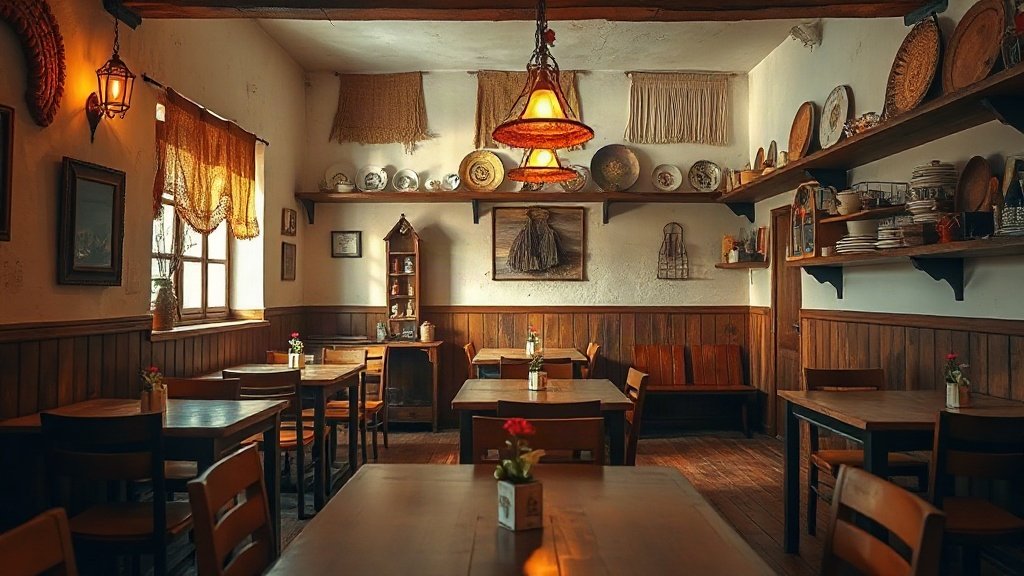
Illustration: AI-generated image
Romania's dining scene has blossomed over the last decade, with everything from traditional sarmale to modern fusion cuisine finding eager customers. For entrepreneurs, opening a restaurant here can be a rewarding venture, but it requires careful navigation of administrative, hygiene, and staffing rules. This guide walks you through the essential steps.
Choose the right legal structure
Most restaurant owners in Romania opt for a limited liability company, known locally as an SRL. This structure limits your personal liability and is relatively straightforward to set up. You'll need to reserve a company name, draft articles of association, and register with the Trade Registry. Small restaurants may also qualify for the micro-company tax regime, which offers simplified taxation for businesses with low turnover. An accountant can help you decide whether to register for VAT, which becomes mandatory above certain revenue thresholds.
Secure your premises and permits
Finding the right location is half the battle. Look for a space zoned for commercial use with good foot traffic and adequate utilities. Once you sign a lease, you'll need several permits before you can open your doors. The local mayor's office issues an operating permit, which confirms your business complies with local regulations. You'll also need a fire safety authorisation and a sanitary-veterinary approval from the DSVSA (the Directorate for Sanitary Veterinary and Food Safety). If you plan to serve alcohol, you must apply for an alcohol licence from the local authorities. The process can take several weeks, so factor this into your timeline.
Meet food safety standards
Romanian food safety rules follow EU regulations, and restaurants must implement a HACCP (Hazard Analysis and Critical Control Points) plan. This means documenting how you handle, store, and prepare food to prevent contamination. All staff who handle food need to undergo a basic food hygiene training course. Expect routine inspections from DSVSA officials, who check temperatures, cleanliness, and traceability of ingredients. Keeping detailed records is essential.
Hire and train staff
You can hire Romanian citizens or EU nationals without special permits, but non-EU employees will need work permits. All staff must have written employment contracts, and you must register them with the labour authorities and pay social contributions. Romania has a national minimum wage, so check current rates. For front-of-house roles, hospitality experience is a plus, but many restaurants also invest in training to maintain service standards. Good staff are in high demand, so offering competitive pay and a positive work environment can help you retain talent.
Plan your menu and sourcing
Your menu will shape your restaurant's identity. Many successful restaurants blend Romanian classics with modern twists, using local ingredients from nearby farms and markets. Romania's agricultural regions produce excellent cheeses, meats, and seasonal vegetables. Building relationships with reliable suppliers is crucial for consistent quality. Consider starting with a smaller menu to manage costs and refine your offerings based on customer feedback. Word of mouth is powerful in Romanian cities, so focus on quality from day one.
With careful planning and attention to legal details, opening a restaurant in Romania can be a fulfilling business venture. Take time to research every step and consult local professionals when needed.