Socată: Romania's Elderflower Cordial and How to Make It
Socată is a light, fragrant elderflower drink enjoyed across Romania, especially in summer. Made with fresh elderflowers, lemon and sugar, it can be prepared as a still cordial or a gently fizzy fermented beverage.
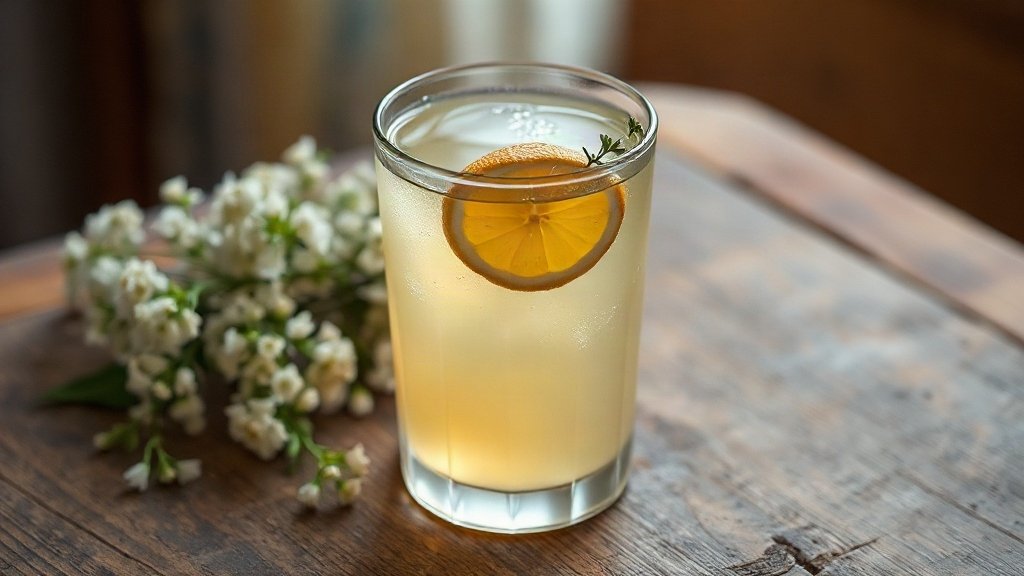
Illustration: AI-generated image
On a warm Romanian afternoon, few drinks are as welcome as a glass of socată — a delicate, floral infusion made from the blossoms of the elder tree. It’s a taste of early summer, captured in a bottle and enjoyed long after the flowers have gone.
What is socată?
Socată (pronounced so-KA-tuh) is a traditional Romanian drink made by steeping elderflowers in water with lemon and sugar. There are two common versions: a sweet, still cordial that is diluted with water or sparkling water, and a lightly fermented, naturally fizzy drink with a very low alcohol content. Both are beloved at family gatherings, picnics and village festivals.
The essential ingredients
Elderflowers are the star. They appear in late spring, typically May to June, and their creamy white clusters have an unmistakable sweet, honeyed scent. For the best socată, pick flowers on a dry, sunny morning, choosing fully opened blooms from trees away from roads and pollution. Avoid any with brown or wilted petals.
You’ll also need lemons (for acidity and flavour), sugar (traditionally white, though some use honey), and clean water. For the fermented version, a few raisins and a slice of bread or a pinch of yeast help start the natural fizz.
Making a simple elderflower cordial
This is the quickest method, perfect for storing in the fridge for a week or two. In a large jar or bowl, combine about 20 elderflower heads (shaken free of insects), 2 sliced lemons, 1.5kg sugar and 2 litres of boiled, cooled water. Stir well, cover with a clean cloth and leave in a cool, dark place for 3–5 days, stirring daily. Strain through muslin, bottle and keep refrigerated. Serve diluted with still or sparkling water, over ice.
Fermenting for a natural fizz
For the traditional sparkling socată, follow the same ingredients but add 10–15 raisins and a slice of crusty bread or a pinch of yeast. Pour into clean plastic bottles (which can withstand pressure better than glass), leaving a little headspace, and seal tightly. Leave at room temperature for 3–7 days, checking daily — the bottles will become hard to the touch as carbonation builds. Once fizzy, move to a cool cellar or fridge to slow fermentation. Open with care over a sink, as the drink can be lively.
The still cordial is alcohol-free and perfect for all ages, while the fermented version contains a small amount of alcohol from natural fermentation, similar to kombucha.
How to enjoy socată
Socată is best served chilled, on its own or with a squeeze of fresh lemon. It pairs beautifully with traditional cakes like cozonac or simple butter biscuits. Some add a sprig of mint or a few frozen berries for colour. In Romania, a glass of homemade socată is a sign of hospitality, and many families keep a batch brewing each summer to share with neighbours and guests.