Amandine: Romania's Iconic Chocolate Cakes Explained
Discover amandine, the classic Romanian chocolate sponge cakes filled with buttercream and topped with glossy chocolate.
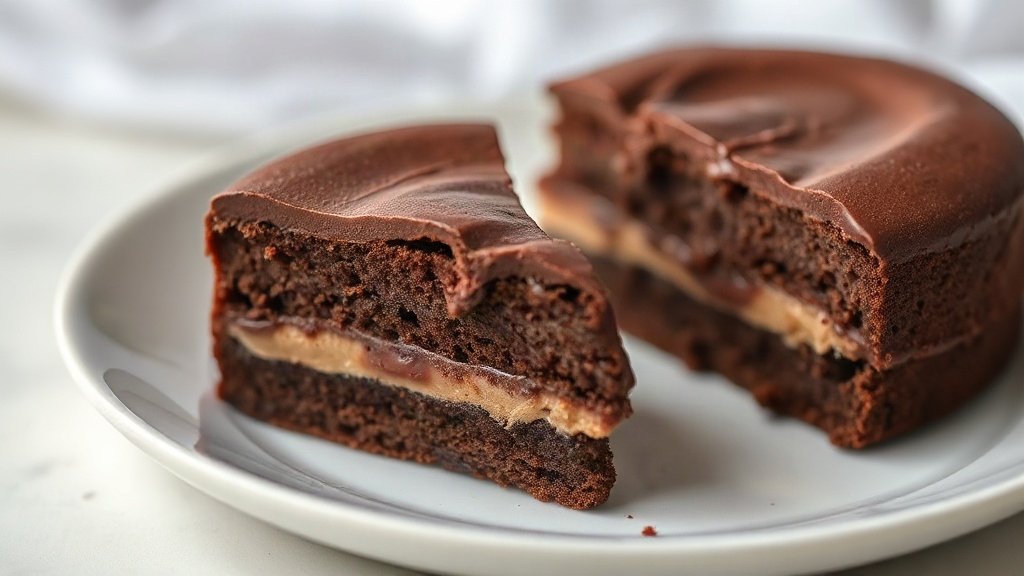
Illustration: AI-generated image
Walk into any traditional Romanian patiserie and you will almost certainly spot a tray of dark, glossy, bite-sized cakes. These are amandine, a staple of Romanian dessert culture that has delighted sweet tooths for generations. Rich, moist and intensely chocolatey, they are the kind of treat that turns a simple coffee break into a small celebration.
What are amandine?
Amandine are individual chocolate cakes made from a light cocoa sponge. Each cake is typically cut into two or three layers, filled with a silky chocolate or vanilla buttercream, then coated in a shiny chocolate glaze. The finishing touch is often a swirl of cream on top or a dusting of cocoa powder. Despite the name suggesting almonds (amandine in French refers to dishes with almonds), most Romanian amandine contain no nuts—just pure, unapologetic chocolate.
A brief history
The exact origin of amandine is unclear, but they are believed to have been inspired by French patisserie traditions that made their way into Romanian confectionery during the 19th and 20th centuries. Over time, local bakers adapted the recipe to suit Romanian tastes, creating a cake that is denser and more chocolate-forward than its French counterparts. Today, amandine are considered a classic of Romanian home baking and professional patisseries alike, often appearing at birthdays, holidays and family gatherings.
How they are made
The base is a simple sponge made with eggs, sugar, flour and cocoa powder. Once baked and cooled, the sponge is sliced horizontally and filled with a rich buttercream—usually a combination of butter, sugar and melted chocolate, sometimes flavoured with rum or vanilla. The assembled cakes are then covered in a smooth chocolate glaze, which sets to a glossy finish. The result is a small but mighty dessert that balances sweetness with the slight bitterness of good cocoa.
Home bakers often make a simpler version, using a single layer of sponge and a chocolate icing, but the multi-layered version remains the gold standard in patisseries.
Where to find them
Amandine are ubiquitous across Romania. They are a fixture in traditional patisseries (cofetării), bakeries and even some supermarkets. In cities like Bucharest, Cluj-Napoca and Timișoara, you will find them in display cases next to other local favourites such as savarine and ecler. For an authentic experience, pair an amandină with a strong Romanian coffee or a glass of cold milk.
Why they matter
Amandine are more than just a sweet treat; they are a nostalgic link to childhood for many Romanians. Their presence at a family table signals celebration and togetherness. For visitors, trying an amandină is a delicious way to connect with everyday Romanian food culture—one that goes beyond the more famous sarmale and mămăligă. So next time you are in Romania, order one, take a bite, and savour a little piece of local tradition.