Romanian Compot: A Simple Fruit Drink and Dessert You Should Try
Compot is a traditional Romanian drink and dessert made by simmering fresh or dried fruit in lightly sweetened water. It’s refreshing, easy to make, and enjoyed year-round.
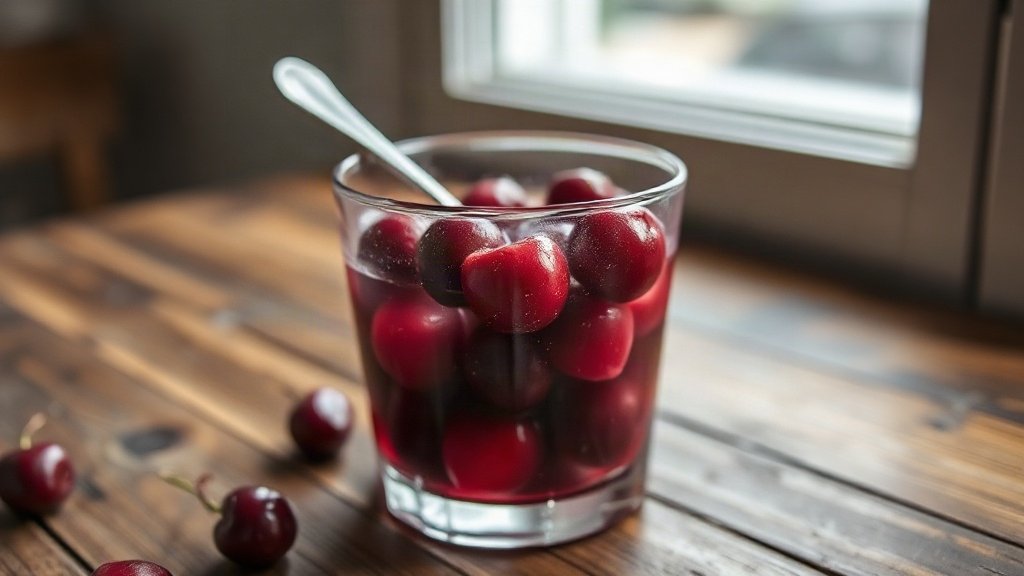
Illustration: AI-generated image
Compot may not be the first thing that comes to mind when you think of Romanian cuisine, but this humble fruit drink—or is it a dessert?—has been a staple on family tables for generations. Made by gently simmering fruit in lightly sweetened water, compot offers a refreshing way to enjoy seasonal produce long after it has been picked.
Unlike cordials or juices, compot is not strained or pressed. The fruit pieces remain intact, giving the drink a soft, spoonable texture that sits somewhere between a beverage and a light pudding. Served chilled, it is the perfect antidote to a hot summer afternoon, yet it is also enjoyed warm during the colder months.
What exactly is compot?
The word compot comes from the French compote, which originally described fruit cooked in syrup. In Romania, the term has evolved to cover a wide range of home-made fruit drinks and desserts. The basic method is simple: fruit is placed in a pot with water and sugar, brought to a gentle boil, then left to cool and infuse. The result is a fragrant, lightly sweet liquid with soft fruit pieces that can be eaten with a spoon.
Compot is not carbonated, nor is it fermented. It contains no preservatives or artificial flavours—just fruit, water and sugar. This simplicity is at the heart of its appeal. It is a way to capture the taste of ripe plums, apricots, cherries or quinces without any complicated techniques or special equipment.
How compot is made at home
Making compot is one of the easiest things you can do in a Romanian kitchen. Start with fresh, ripe fruit—or good-quality dried fruit, especially in winter. Wash it, remove stones or cores if necessary, and cut larger fruit into chunks. Place the fruit in a saucepan, cover with cold water, and add sugar to taste. A ratio of roughly one part sugar to four or five parts fruit is common, but many cooks adjust according to the sweetness of the fruit.
Bring the mixture to a boil, then reduce the heat and simmer for 10–20 minutes, depending on the firmness of the fruit. Softer fruits like berries need only a few minutes, while harder fruits like quince or pears may take longer. Once the fruit is tender but still holding its shape, remove the pan from the heat. Some people add a cinnamon stick, a few cloves, or a strip of lemon zest during cooking for extra aroma.
Let the compot cool to room temperature, then refrigerate. It is traditionally served cold, often in a glass or small bowl, with a spoon to scoop out the fruit pieces.
Popular compot flavours across Romania
Almost any fruit can be turned into compot, but some varieties are particularly beloved. Sour cherries (vișine) make a classic deep-red compot with a perfect balance of sweetness and tartness. Plums, especially the small, dark-skinned varieties, produce a rich, jammy compot that pairs well with roasted meats. Apricots and peaches give a lighter, more floral result, ideal for summer desserts.
In autumn, quince and apples take centre stage. Quince compot has a distinctive honey-like aroma and a pale pink colour when cooked slowly. Apples, often combined with pears and a cinnamon stick, make a comforting winter drink. Dried fruit compot, made with prunes, dried apricots and raisins, is a traditional festive treat, especially around Christmas and New Year.
How to serve and enjoy compot
Compot is versatile. As a drink, it is poured into glasses and served with a spoon so you can eat the fruit chunks. As a dessert, it can be spooned into small bowls and topped with a dollop of cream, yoghurt or vanilla ice cream. Some Romanians like to mix compot with sparkling water or soda for a lighter, fizzy version.
It also appears on the festive table, often alongside rich meat dishes or sarmale, where its refreshing acidity helps cut through the heaviness. In many homes, a jar of homemade compot is always in the fridge, ready to be offered to guests or enjoyed as a simple afternoon treat.
Why you should try making compot
For visitors to Romania, ordering compot in a traditional restaurant—or better still, being offered a glass in someone’s home—is a chance to taste a food tradition that is both humble and deeply rooted. It requires little effort, celebrates seasonal fruit, and yields a drink that is far more natural than most shop-bought alternatives. Once you have tried a glass of ice-cold sour cherry compot on a warm day, you may find yourself making it again and again.