Plăcintă: Romania's Traditional Savoury and Sweet Pies Explained
From flaky cheese-filled plăcinte to sweet apple or pumpkin versions, discover Romania's beloved pastries and how to enjoy them.
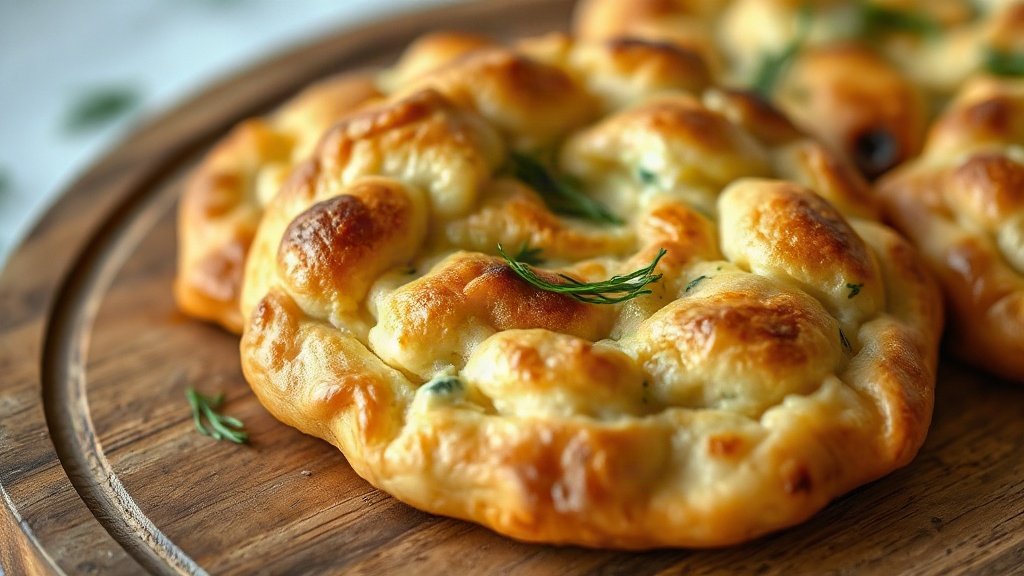
Illustration: AI-generated image
Walk into any Romanian bakery, market or home kitchen and chances are you will encounter plăcintă. This golden, flaky or tender pie is a cornerstone of the country's culinary tradition, enjoyed at breakfast, as a snack, or as a comforting end to a meal. The word itself comes from the Latin placenta, meaning flat cake, and over centuries it has evolved into a versatile dish with countless regional variations.
What is Plăcintă?
Plăcintă is a broad term for a baked or fried pastry made with a thin dough and a filling. Unlike the closed double-crust pies familiar in Western Europe, Romanian plăcinte often resemble folded or rolled pastries, somewhat like a strudel or a hand pie. They can be round, square, triangular or spiral-shaped, and their size ranges from single-serving portions to large trays meant for sharing.
The Dough
The type of dough varies by region and recipe. Many traditional plăcinte use a simple unleavened dough of flour, water, oil and a pinch of salt, rolled paper-thin and layered with fat to create flakiness. Others employ a yeasted dough, resulting in a softer, bread-like texture. Some versions use a shortcrust-like pastry, while a few modern adaptations rely on filo sheets. The key is a dough that is sturdy enough to hold the filling but delicate enough to become crisp and golden when cooked.
Savoury Fillings
The most iconic savoury plăcintă is filled with brânză, a salty fresh cheese similar to feta or ricotta, often mixed with chopped dill or spring onions. This combination, known as plăcintă cu brânză, is a staple in bakeries and homes alike. Other popular fillings include mashed potatoes with fried onions, sautéed cabbage, spinach with cheese, mushrooms, or a mixture of eggs and greens. In some regions, minced meat or smoked bacon is added for a heartier version. Savoury plăcinte are typically served warm, sometimes with a dollop of sour cream or a side of yogurt.
Sweet Versions
Sweet plăcinte are just as beloved. Apples, grated or sliced and lightly spiced with cinnamon, make a classic filling. Pumpkin, often sweetened and combined with a little semolina to absorb moisture, is another autumnal favourite. Sweetened fresh cheese with raisins or lemon zest is common, as is a filling of jam, poppy seeds, or ground walnuts mixed with sugar. These sweet pies are usually dusted with icing sugar or drizzled with honey before serving, and they pair wonderfully with a cup of coffee or tea.
How to Enjoy Plăcintă
Plăcintă is an everyday food in Romania, not reserved for special occasions. You will find it at street stalls, bakeries and markets, often sold by the slice from large round trays. It is a popular breakfast item, especially when paired with a glass of buttermilk or a bowl of yogurt. At home, many families make plăcintă as a quick lunch or a light dinner, using leftovers or whatever fillings are in season. Because the dough and fillings are so adaptable, it is also a welcome addition to picnics and festive spreads.
For a visitor, trying a slice of plăcintă is an easy and delicious introduction to Romanian home cooking. Whether you prefer the savoury bite of cheese and dill or the sweet comfort of apple and cinnamon, this humble pie offers a taste of tradition in every bite.