Murături: A Guide to Romanian Pickles and Fermented Vegetables
Discover the Romanian tradition of murături – tangy, crunchy pickles and fermented vegetables that brighten winter meals. Learn how they are made and how to enjoy them.
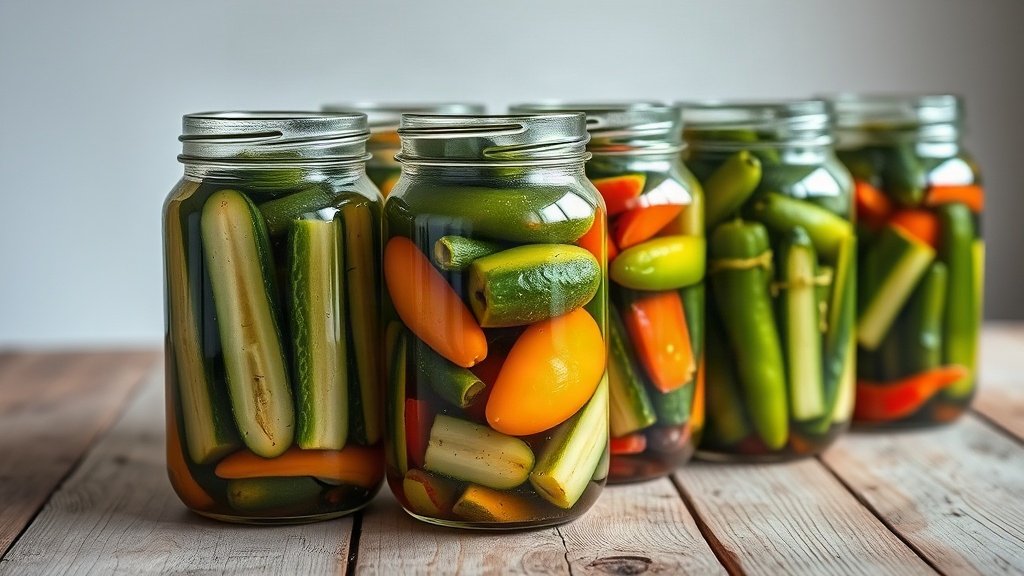
Illustration: AI-generated image
As autumn turns to winter, many Romanian households fill their pantries with jars of murături – a colourful mix of pickled and fermented vegetables that add a burst of tangy flavour to the cold months. These crunchy preserves are a staple alongside hearty stews, grilled meats, and festive dishes, and they carry a deep sense of home and tradition.
What are murături?
Murături (pronounced moo-ruh-TOOR) is the Romanian word for pickles, but it usually refers to vegetables preserved in brine, often through natural fermentation rather than vinegar. The result is a sour, slightly salty, and sometimes garlicky bite that contrasts beautifully with rich foods. Unlike quick pickles, traditional murături are meant to last throughout the winter, so they are made in large batches when vegetables are abundant and cheap.
How murături are made
The classic method uses a simple saltwater brine, sometimes with a little vinegar for extra sharpness. Vegetables are packed tightly into large glass jars or wooden barrels, then covered with the brine. Common flavourings include dill, garlic, horseradish, cherry leaves, and peppercorns. The jars are sealed and left to ferment at room temperature for a few weeks before moving to a cool cellar or balcony. Fermentation gives murături their characteristic tang and also preserves the vegetables naturally, without the need for refrigeration.
Popular vegetables to pickle
Almost any firm vegetable can become a murătură, but some are particularly beloved:
- Cucumbers – small, crunchy gherkins are the most iconic, often flavoured with dill and garlic.
- Green tomatoes – unripe tomatoes stay firm and soak up the brine wonderfully.
- Cabbage – whole heads or shredded cabbage are fermented to make varză murată, used in soups and sarmale.
- Peppers – both hot and sweet varieties add colour and heat.
- Cauliflower and carrots – often mixed together for a cheerful, crunchy medley.
- Beetroot – gives a striking pink colour and earthy sweetness.
How to enjoy murături
Murături are more than a side dish – they are a vital part of the Romanian table. They are served cold, straight from the jar, alongside hearty mains like sarmale, mămăligă, or grilled meats. A few slices of pickled cucumber or green tomato can cut through the richness of a fatty pork dish or add zing to a simple bean stew. Many Romanians also drink a small glass of the pickle juice, known as moare, as a morning tonic or hangover cure. During winter holidays, murături appear on festive platters next to cheeses and cold cuts.
Making your own murături at home
If you would like to try your hand at this tradition, the process is forgiving. Start with clean jars, fresh vegetables, and a basic brine of about 30 grams of salt per litre of water. Add your favourite flavourings – dill, garlic, and a piece of horseradish are classic. Pack the vegetables in tightly, pour the brine to cover, and seal. Leave the jars at room temperature for a week or two, then move them to a cool place. After a few more weeks, they will be ready to eat. Experiment with different vegetables and spices to find your favourite combination.
Murături are a reminder that simple ingredients, patience, and tradition can create something truly satisfying. Whether you enjoy them from a market stall or your own kitchen, they bring a taste of Romanian hospitality to every meal.