Iași: A First-Timer's Guide to Romania's Cultural Capital
Discover the elegant palaces, historic monasteries and lively student atmosphere of Iași, the unofficial capital of Romanian Moldavia.
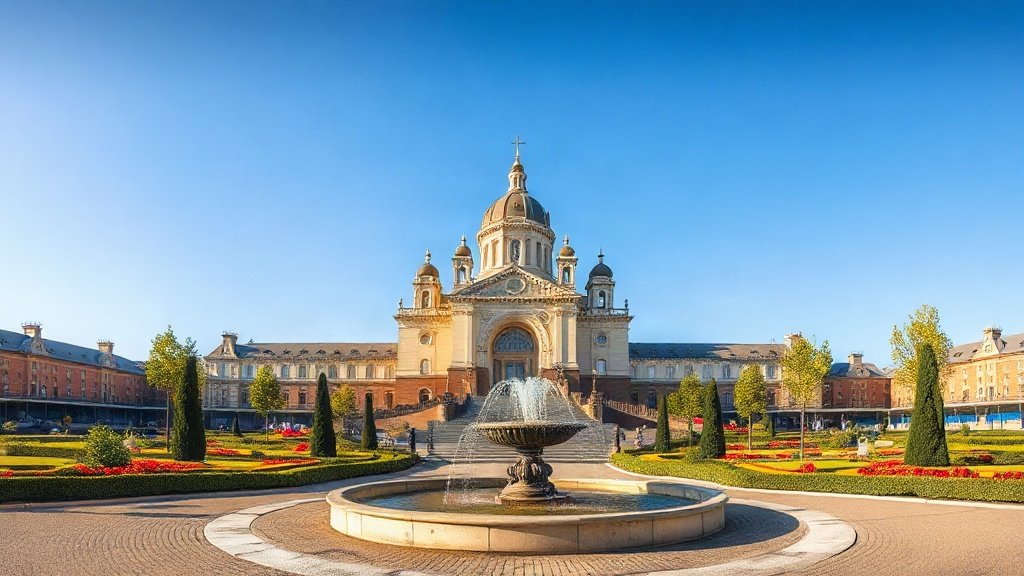
Illustration: AI-generated image
Iași, often called the cultural capital of Romania, is a city that wears its history with grace. Set in the rolling hills of Moldavia, near the border with the Republic of Moldova, it has long been a centre of learning, art and faith. For travellers seeking a deeper understanding of Romania beyond the Transylvanian tourist trail, Iași offers a rich tapestry of architectural gems, green spaces and a vibrant intellectual spirit.
Getting There and Around
Iași is well connected by air, rail and road. Its international airport offers flights from several European hubs, while frequent trains link the city to Bucharest, Cluj-Napoca and Suceava. Once in Iași, the centre is compact and walkable, with most attractions within a pleasant stroll. For longer distances, trams and buses provide an efficient public transport network, and taxis are abundant but should be ordered through a reputable app or by phone to avoid overcharging.
Top Attractions
The undisputed symbol of Iași is the Palace of Culture, a flamboyant neo-Gothic edifice that houses four museums under one roof. Its clock tower and ornate interiors are a must-see. Just steps away, the Metropolitan Cathedral dominates the skyline with its golden domes, while the nearby Three Hierarchs Monastery is a masterpiece of stone lacework, its exterior covered in intricate carvings.
For a breath of fresh air, Copou Park is the city's oldest green space, home to the famous lime tree associated with Romania's national poet, Mihai Eminescu. The Botanical Garden, one of the largest in the country, is another tranquil escape, with themed sections and greenhouses. History enthusiasts will appreciate the Union Museum, housed in the elegant palace where the unification of the Romanian principalities was decided in 1859.
Where to Eat and Drink
Iași's food scene reflects its Moldavian roots. Look for traditional dishes such as ciorba rădăuțeană, a creamy chicken soup with garlic and vinegar, or tochitură moldovenească, a rich pork stew served with polenta and a fried egg. The city is also known for its sweet treats, particularly cozonac, a braided sweet bread filled with walnuts or poppy seeds. Student-friendly cafés and bars cluster around the university area, offering a lively atmosphere in the evenings.
Day Trips
Iași serves as an excellent base for exploring the wider region. A short drive north brings you to the Ruginoasa Palace, a neo-Gothic residence once owned by Romanian royalty. To the south, the vineyards of the Cotnari region produce some of Romania's most celebrated white wines, with many wineries open for tastings. The nearby village of Hadâmbu is home to a serene Orthodox monastery with impressive frescoes.
Practical Tips
Iași is a year-round destination, but spring and autumn offer the most pleasant weather for sightseeing. The city hosts numerous festivals, especially in October around the feast of Saint Parascheva, when pilgrims from across the country gather. While English is widely spoken among younger people, learning a few Romanian phrases will be appreciated. Cash is still useful in smaller shops and markets, though cards are accepted in most hotels and restaurants.