How to Maintain a Wood-Burning Stove in Romania: A Practical Guide
Keep your sobă running safely and efficiently with these simple tips for cleaning, fuel storage and seasonal care.
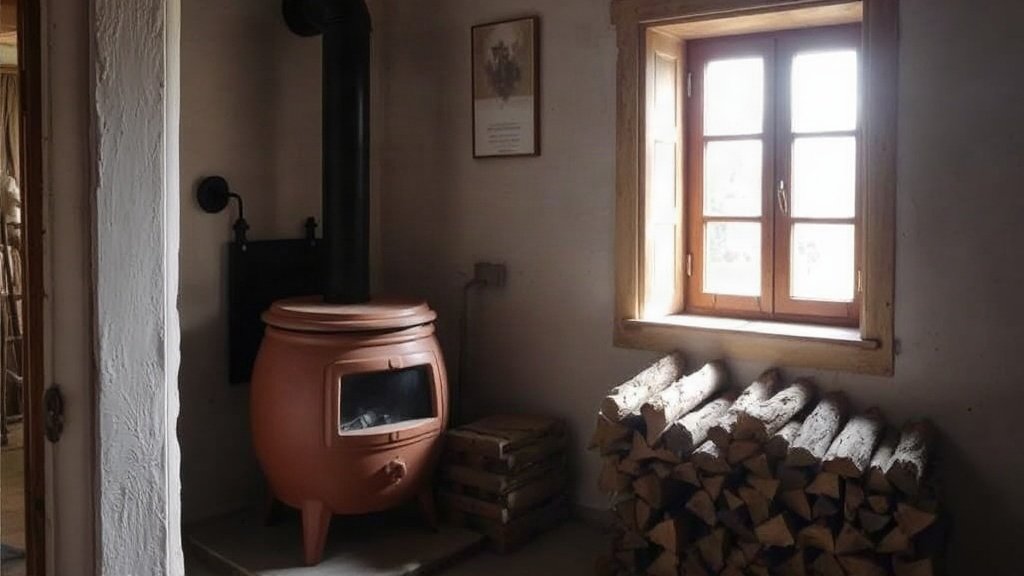
Illustration: AI-generated image
The wood-burning stove, known locally as a sobă, remains a common source of heat and cooking in many Romanian homes. Whether you live in a village house or a city apartment with a terracotta stove, proper care keeps it efficient, safe and long-lasting. Here is how to maintain yours throughout the year.
Understand your stove
Romanian stoves come in several forms: traditional masonry heaters covered in terracotta tiles, cast-iron models, and modern steel stoves. Each works by burning wood in a firebox, with heat radiating into the room and smoke exiting through a chimney. Knowing your stove’s design helps you clean it correctly. Always let the stove cool completely before any maintenance.
Daily and weekly cleaning
Remove ash from the firebox regularly. A thin layer of ash can help insulate the fire, but too much blocks airflow and reduces efficiency. Empty the ash pan into a metal container with a lid, and never dispose of ash in plastic bins until it is fully cold. Wipe the exterior with a dry cloth; for soot marks on tiles, use a soft brush or slightly damp cloth, then dry thoroughly.
Check the door seals and glass. If the rope seal around the door is frayed or compressed, replace it to prevent smoke leaks. For glass doors, clean with a damp cloth dipped in fine ash, then wipe clean; avoid abrasive cleaners that can scratch.
Chimney sweeping and inspections
The chimney must be swept at least once a year, ideally before the heating season begins. In rural areas, many homeowners do this themselves with a brush, but for taller chimneys or difficult access, a professional sweep is safer. A blocked chimney can cause dangerous carbon monoxide build-up or chimney fires. Look for signs like smoke entering the room or a strong smell of soot; if in doubt, stop using the stove and call a specialist.
Choosing and storing firewood
Burn only dry, seasoned hardwood such as oak, beech or hornbeam. Freshly cut wood contains up to 50% moisture, which produces less heat and more creosote in the chimney. Season wood for at least one year, ideally two, by splitting and stacking it in a dry, ventilated area, off the ground and covered on top. Store a small amount near the stove for convenience, but keep the main supply outdoors to avoid pests.
Safety around the stove
Install a carbon monoxide detector in the room and test it regularly. Keep flammable items—curtains, furniture, clothes—at least one metre from the stove. Use a fireguard if children or pets are present. Never leave a fire unattended for long periods, and always close the door securely. In case of a chimney fire, close the air vents and call the fire brigade immediately.
Seasonal start-up and shutdown
At the start of the cold season, light a small test fire to check the draw and look for any smoke leaks. If the stove has been unused for months, open windows for ventilation. At the end of winter, clean everything thoroughly, leave the air vents slightly open to prevent rust, and cover the stove if it is in a damp room. A little attention twice a year will keep your sobă ready for the next cold spell.