How to Make Sarmale: Romania's Traditional Cabbage Rolls
Sarmale are the heart of Romanian festive meals. Learn the traditional method, from sour cabbage preparation to slow-cooking, with tips for a perfect result.
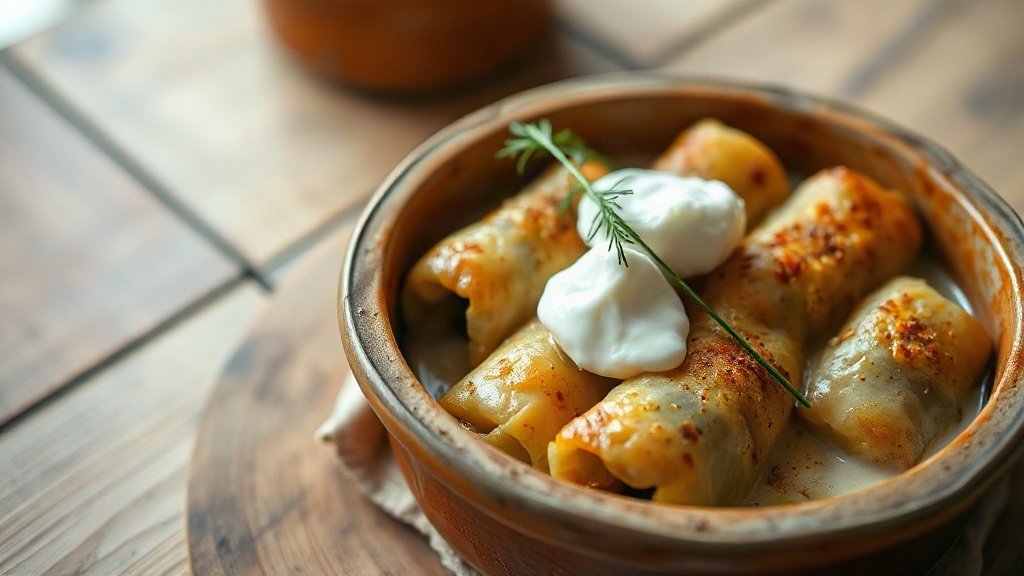
Illustration: AI-generated image
Sarmale are more than a dish in Romania—they are a symbol of celebration, family and tradition. These cabbage rolls, filled with a savoury mixture of minced meat, rice and herbs, appear on tables at Christmas, Easter, weddings and Sunday lunches. While recipes vary from household to household, the method remains deeply rooted in slow cooking and patience.
Choosing Your Cabbage
The authentic choice is whole sour cabbage (varză murată), fermented in brine. Many families prepare their own in autumn, but it is also available at local markets. If sour cabbage is unavailable, fresh cabbage leaves can be blanched in salted water until pliable, though the flavour will be milder. Vine leaves are a popular alternative in spring and summer, offering a delicate, slightly tangy wrapper.
The Filling
The classic filling combines minced pork (often with a little beef), rice, finely chopped onion, and seasonings: salt, pepper, sweet paprika, and fresh or dried herbs like thyme and dill. Some cooks add a spoonful of tomato paste or a little smoked bacon for depth. Vegetarian versions replace the meat with mushrooms, walnuts, or extra rice, and are just as traditional during fasting periods.
Rolling and Layering
To roll, place a small amount of filling at the base of a cabbage leaf, fold in the sides, and roll tightly. The rolls should be compact but not overstuffed, as the rice expands during cooking. In a heavy pot, layer chopped sauerkraut or shredded cabbage at the bottom, then arrange the rolls in circles, adding a few strips of smoked pork or bacon between layers if desired. Finish with a layer of cabbage and a few bay leaves.
Slow Cooking
Pour over enough water or stock to just cover, add tomato juice or passata for a rich colour, and simmer gently on the hob or in the oven for two to three hours. The slow cooking allows the flavours to meld and the cabbage to become tender. Many cooks believe sarmale taste even better the next day, so making a large batch is always wise.
Serving
Sarmale are traditionally served hot, with a dollop of smântână (soured cream) and a slice of mămăligă (polenta). A spoonful of hot pickled chilli on the side is optional but beloved. Leftovers can be refrigerated and reheated gently, and the dish freezes well for future meals.
Making sarmale is a labour of love, but the result is a comforting, deeply satisfying meal that brings a taste of Romanian hospitality to any table.