A Guide to Horezu Pottery: Romania's UNESCO-Listed Craft
Discover the centuries-old tradition of Horezu ceramics, from its distinctive rooster motifs to the hands that shape it.
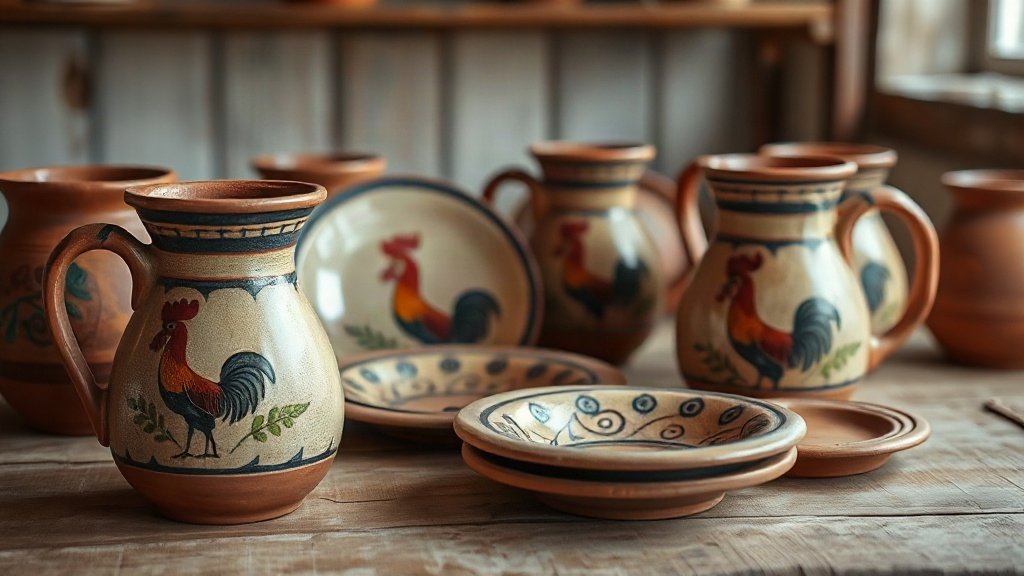
Illustration: AI-generated image
In the foothills of the Carpathian Mountains, the small town of Horezu has been synonymous with pottery for over three centuries. This craft, passed down through generations, was inscribed on UNESCO's Representative List of the Intangible Cultural Heritage of Humanity in 2012. For visitors and collectors alike, understanding Horezu pottery offers a window into Romania's rural artistry and a chance to bring home a piece of living tradition.
The Origins of Horezu Pottery
Pottery making in Horezu began in the 17th century, when local clay deposits proved ideal for ceramics. Over time, distinct family workshops developed, each with its own signature patterns and techniques. Today, the craft remains largely a family affair, with skills handed from parent to child, often starting in childhood. The town and surrounding villages, such as Olari and Slătioara, are dotted with small workshops where the rhythmic hum of the potter's wheel is a familiar sound.
How Horezu Pottery Is Made
The process begins with locally sourced red clay, which is cleaned, kneaded, and left to mature. Potters shape vessels on a traditional kick wheel, a method that requires both strength and finesse. Once formed, pieces are left to dry slowly before a first firing. The distinctive decoration is then applied by hand using natural pigments: white slip, red from iron oxide, brown from manganese, and green from copper. The final glaze, made from lead-free materials, gives the pottery its characteristic warm, glossy finish.
Traditional motifs include the spiral, the sun, the tree of life, and above all, the rooster—a symbol of vigilance and pride. These designs are painted with a cow-horn tool and a goose feather, techniques that have changed little in generations.
Recognising Authentic Horezu Pottery
Authentic pieces are always handmade and hand-painted, so slight variations in shape and decoration are expected. Look for the warm terracotta base, visible brushstrokes, and classic motifs. Each potter often signs the base with a personal mark or initials. Beware of cheap imitations, which may be mass-produced and lack the depth of colour and individuality of true Horezu work.
What to Buy and How to Use It
Horezu pottery is both beautiful and functional. Traditional items include plates, bowls, jugs, and the iconic 'ulcior' (water jug). While many pieces are food-safe and can be used for serving, others are purely decorative. If you plan to use your pottery for food, ask the seller to confirm that the glaze is lead-free and dishwasher-safe; many artisans recommend hand washing to preserve the finish.
Visiting Horezu itself is a rewarding experience. Workshops often welcome visitors to watch the potters at work, and you may even try your hand at the wheel. The annual 'Cocoșul de Hurez' pottery fair, held in June, is a lively celebration of the craft, though you can find authentic pieces year-round.
Caring for Your Horezu Pottery
To keep your pottery looking its best, avoid sudden temperature changes and abrasive cleaners. Hand wash with mild soap and warm water, and dry thoroughly. With proper care, these pieces can last for decades, becoming cherished heirlooms that carry the story of a Romanian craft.