How to Recycle Properly in Romania: A Practical Guide to Waste Sorting
Recycling in Romania is becoming easier as more cities adopt colour-coded bins. Here’s how to sort your household waste and reduce what goes to landfill.
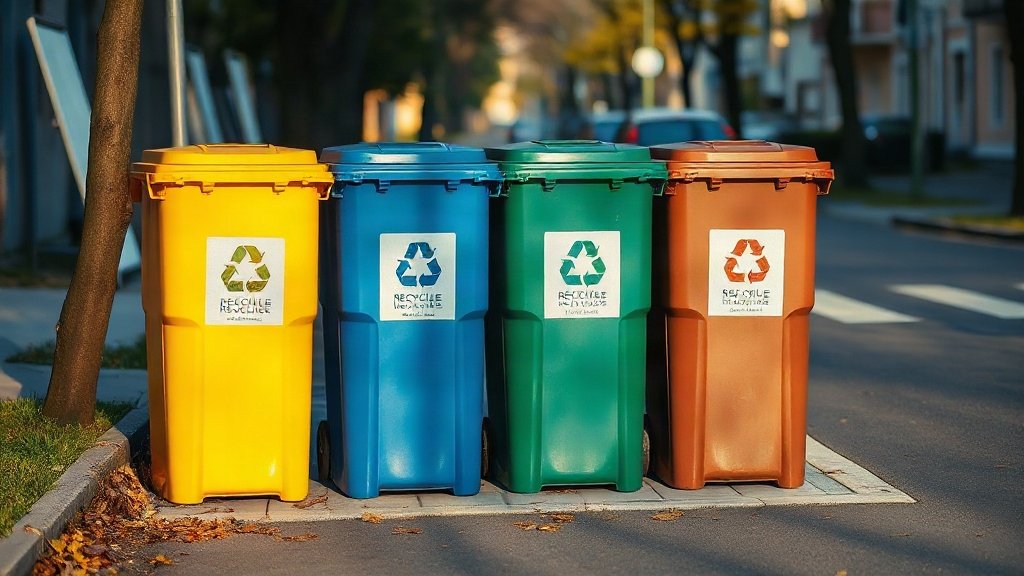
Illustration: AI-generated image
Recycling in Romania has come a long way, with separate collection now available in most towns and cities. Sorting your waste correctly not only helps the environment but also keeps neighbourhoods cleaner and reduces the amount of rubbish sent to landfill. Whether you live in a block of flats or a house, a few simple habits can make a big difference.
Why recycling matters in Romania
Romania still sends a large share of its municipal waste to landfill compared with many EU countries, but recycling rates are slowly improving. By separating recyclables at home, you help local authorities recover valuable materials like plastic, paper, glass and metal. This reduces the need for new raw materials, saves energy and cuts greenhouse gas emissions.
Understanding the colour-coded bins
Most Romanian municipalities use a standard set of coloured containers for separate waste collections. While the exact colours can vary slightly between cities, the most common system is:
- Yellow bin: plastic and metal packaging, including bottles, cans, foil and plastic bags.
- Blue bin: paper and cardboard, such as newspapers, magazines, cardboard boxes and clean paper packaging.
- Green bin: glass bottles and jars, but not window glass, mirrors or ceramics.
- Brown bin: organic waste, including food scraps and garden waste, where this service is available.
- Black or grey bin: residual waste that cannot be recycled or composted.
If you are unsure about the colours in your area, check with your local town hall or waste collection company – many publish simple guides online or on bin stickers.
What can and cannot be recycled
Even with the right bin, some items should not go in. A few golden rules:
- Rinse containers. Leftover food or drink can contaminate whole batches of recycling. A quick rinse is enough.
- Remove lids and caps. Plastic lids can often be recycled separately, but metal lids from glass jars should go in the metal bin.
- No grease-soiled paper. Pizza boxes or paper towels with food stains cannot be recycled – put them in residual waste or compost if possible.
- No plastic bags in the yellow bin. Most sorting facilities cannot handle them. Many supermarkets have collection points for clean plastic bags and film.
- Glass only in the green bin. Light bulbs, ceramics, mirrors and window glass have different melting points and can ruin a glass batch.
A simpler path for bottles and cans: the deposit-return system
Since 2023, Romania has operated a national deposit-return system for single-use drink containers. When you buy water, soft drinks, beer or other beverages in plastic, glass or metal packaging, you pay a small deposit. Return the empty container to any participating shop or automated machine, and you get that deposit back. This scheme has already diverted billions of bottles and cans from litter and landfill, and it is now a normal part of shopping in Romania.
Composting and organic waste
Some cities, including Bucharest and Cluj-Napoca, have introduced separate collection for biodegradable waste using brown bins. If your area does not offer this, home composting is an excellent alternative. Even a small balcony compost bin can handle fruit and vegetable peelings, coffee grounds and eggshells, turning them into nutrient-rich soil for houseplants or a community garden.
Practical tips for apartment dwellers
Living in a flat does not mean recycling is difficult. Try these simple habits:
- Keep a small, lidded bin or bag for each recyclable stream under the sink or on a balcony.
- Crush plastic bottles and cans to save space.
- Set a weekly reminder to take recyclables down to the communal bins – many blocks have several containers just outside.
- Collect bottle caps or small metal items in a tin until it is full, then recycle the whole thing.
- For bulky items like cardboard boxes, flatten them before placing in the blue bin.
Common mistakes to avoid
Even well-meaning households sometimes make errors that contaminate recycling. Avoid these pitfalls:
- Wish-cycling: putting items like soft toys, clothes or electronics in the recycling bin hoping they will be recycled. They will not – they belong in residual waste or a dedicated collection point.
- Leaving food residue: a jar of half-eaten jam can spoil a whole load of glass. Rinse it first.
- Mixing glass with other recyclables: broken glass can injure workers and damage sorting machinery. Always use the green bin.
- Putting recyclables in black bags: many collection crews will not open opaque bags, so the recycling is lost. Use clear bags or loose items.
Recycling well is a small daily effort that pays off for everyone. With a little knowledge and a simple routine, you can cut your household waste dramatically and help Romania move towards a cleaner, more sustainable future.