How to Eat During Orthodox Fasting Periods in Romania
Fasting is a big part of life in Romania. Here's what you can and cannot eat, plus which dishes to look for.
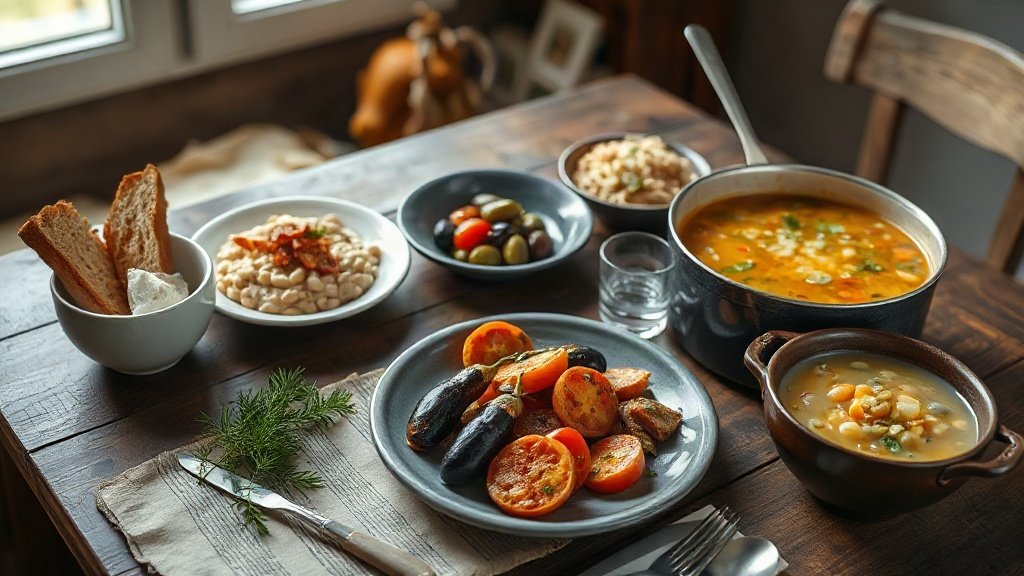
Illustration: AI-generated image
For many people in Romania, fasting is not just a religious obligation but a way of life that shapes what appears on the table for nearly half the year. The Romanian Orthodox Church observes four main fasting periods, plus most Wednesdays and Fridays. If you live here or are visiting, understanding the basics will help you navigate menus, markets and social invitations.
The four main fasting periods
The longest and most famous is Lent (Postul Paștelui), the seven weeks before Easter. Then comes the Advent fast (Postul Crăciunului) from 15 November to 24 December, the Dormition fast (Postul Adormirii Maicii Domnului) from 1 to 15 August, and the Apostles' fast (Postul Sfinților Apostoli), which varies in length from a few days to several weeks in June. On top of that, every Wednesday and Friday is a fasting day, except during certain "free" weeks.
What you can and cannot eat
During fasting days, the faithful avoid all animal products: no meat, dairy, eggs, or fish. On many days, oil and wine are also excluded, though this rule is relaxed on weekends and certain feast days. Shellfish and molluscs, such as shrimp and mussels, are generally allowed because they are not considered "meat" in the Orthodox tradition.
In practice, the fasting table revolves around vegetables, legumes, grains, nuts, seeds, fruits, mushrooms and plenty of bread. Honey is permitted. Many Romanians also use plant-based substitutes like soy milk or margarine, but traditional cooking rarely relied on them.
Traditional fasting dishes to know
If you are new to this, start with these classics. You will find them in homes, monasteries and many restaurants during fasting seasons:
- Ciorbă de legume – a sour vegetable soup, often with lovage or bors, and no cream.
- Sarmale de post – cabbage or vine leaves stuffed with rice, mushrooms, and herbs, cooked in tomato sauce.
- Fasole bătută – whipped white beans with onion, usually served with pickles and bread.
- Salată de vinete – roasted eggplant salad, mixed with onion and oil (when oil is allowed).
- Zacuscă – a rich spread of roasted peppers, aubergines, and tomatoes, though many homemade versions include oil, so check if it is a strict day.
- Mâncare de mazăre – a simple pea stew with tomato and dill.
- Pilaf de orez – rice cooked with vegetables and sometimes mushrooms.
- Mămăligă – polenta, a staple that is always fasting.
Practical tips for everyday life
In Romania, supermarkets and restaurants are well aware of fasting periods. You will often see products labelled de post (for fasting), which means suitable for vegans, at least in ingredients. Bakeries mark fasting breads and pastries, and even fast-food chains offer limited fasting menus. When eating out, simply ask: Aveți mâncare de post? (Do you have fasting food?). Most places will understand.
If you are invited to someone's home during a fast, it is perfectly fine to mention your dietary preferences politely. Many hosts will prepare at least one fasting dish. And if you are not fasting yourself, do not worry – you will still find plenty of regular food, but knowing the custom shows respect.
Fasting in Romania is about more than food; it is also a time for reflection and giving. But from a practical standpoint, it is a wonderful opportunity to explore the country's rich, plant-based culinary traditions that have sustained generations.