Geamparalele: Romania's Spirited Dance from Dobrogea
Discover the lively geamparalele, a traditional dance from Romania's Dobrogea region, known for its infectious rhythm and playful footwork.
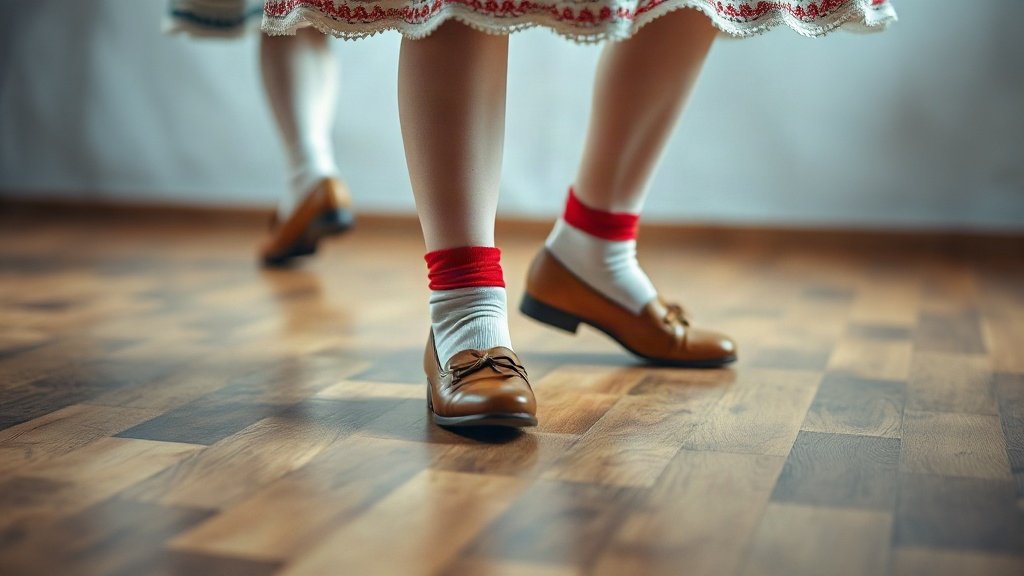
Illustration: AI-generated image
The geamparalele is one of Romania's most spirited folk dances, bursting with energy and joy. Originating from the Dobrogea region along the Black Sea coast, this dance is a staple at weddings, festivals, and community gatherings. Its quick tempo and syncopated rhythms make it instantly recognisable and irresistibly danceable.
Origins and Character
Dobrogea's rich cultural tapestry—shaped by Romanian, Turkish, Tatar, and Bulgarian influences—gave birth to the geamparalele. The dance reflects the region's vibrant crossroads heritage, blending lively steps with a playful, flirtatious character. Dancers often move in a line or semicircle, holding hands or linking arms, while performing fast footwork and subtle hip movements.
Music and Rhythm
The geamparalele is typically played in a 7/8 or 9/8 time signature, giving it an asymmetric, off-beat feel that sets it apart from many other Balkan dances. Traditional instruments such as the violin, accordion, cimbalom, and clarinet drive the melody, while the cobza or double bass provides a rhythmic foundation. The tempo accelerates as the dance progresses, challenging dancers to keep up with the frenetic pace.
Learning the Steps
While the geamparalele may look complex, its basic steps are accessible to beginners. The dance starts with a simple side-to-side step, gradually incorporating quicker foot taps and heel clicks. Key elements include a light, bouncing motion and a tendency to dip and sway with the music. Many folk dance groups across Romania and beyond offer workshops, making it easy for newcomers to join in.
Where to See It
The geamparalele is a highlight of folk festivals throughout Dobrogea and beyond, particularly during summer events and national celebrations. In cities like Constanța and Tulcea, live performances showcase the dance in full costume, while village weddings often feature spontaneous renditions late into the night. Watching or participating in a geamparalele is a memorable way to experience Romania's living folk heritage.