Cluj-Napoca: A First-Timer's Guide to Romania's Bohemian Hub
Discover Cluj-Napoca, a vibrant Transylvanian city known for its medieval old town, thriving café culture, and youthful energy.
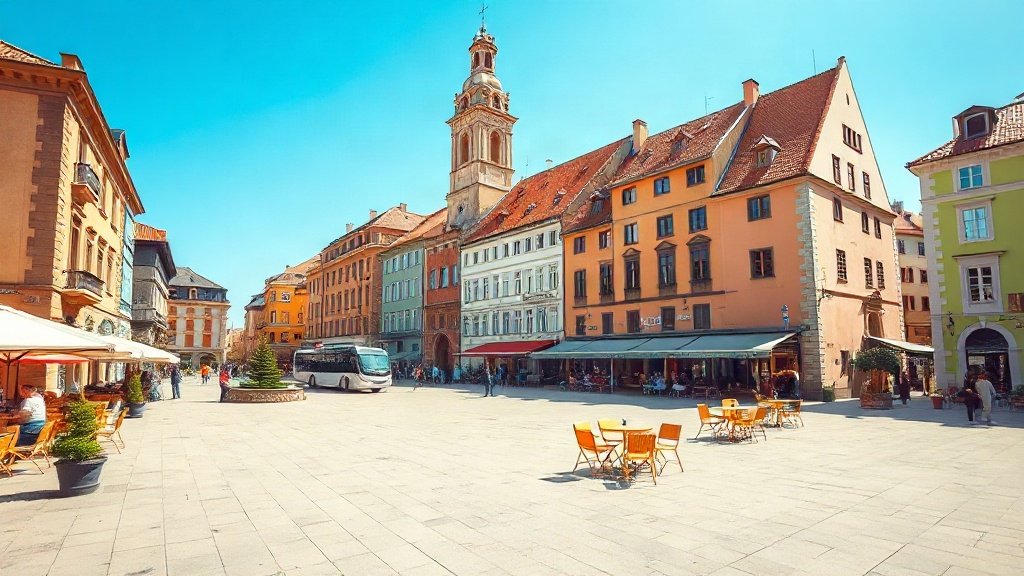
Illustration: AI-generated image
Cluj-Napoca, often simply called Cluj, is one of Romania's largest cities and the unofficial capital of Transylvania. With its youthful population, buzzing arts scene, and beautifully preserved old town, it makes a perfect base for exploring the region. This guide covers the essentials for first-time visitors.
Why Visit Cluj?
Cluj is a city that blends medieval charm with contemporary energy. It is home to several universities, which gives it a lively, creative atmosphere. The historic centre is compact and walkable, packed with Gothic churches, baroque palaces, and Art Nouveau facades. Beyond the architecture, Cluj offers excellent museums, green spaces, and some of the best food and coffee culture in the country.
Getting Around
The city centre is best explored on foot. Most major sights are within walking distance of Piața Unirii, the main square. For longer trips, Cluj has an efficient public transport system of buses, trolleybuses, and trams. Tickets must be purchased before boarding and validated on the vehicle. Taxis and ride-hailing apps are also readily available, but always agree on a fare or use the meter when taking a taxi.
Top Sights
- Piața Unirii (Union Square) – The heart of the city, dominated by St. Michael's Church, a Gothic masterpiece from the 14th century, and the equestrian statue of Matthias Corvinus.
- St. Michael's Church – One of the most impressive Gothic churches in Transylvania, with a soaring 80-metre tower. Visitors can climb the tower in summer for panoramic views.
- Cluj-Napoca Botanical Garden – A peaceful retreat covering 14 hectares, with over 10,000 plant species, including a Japanese garden and a greenhouse complex.
- National Museum of Transylvanian History – Housed in a former aristocratic palace, it showcases artefacts from prehistoric to modern times, including Roman and Dacian exhibits.
- Tailors' Bastion – A well-preserved section of the old city walls, now a cultural centre with exhibitions and events.
Food and Drink
Romanian cuisine is hearty and diverse, and Cluj is a great place to sample it. Look for sarmale (stuffed cabbage rolls), mici (grilled minced meat rolls), and papanași (fried doughnuts with sour cream and jam). The city also has a thriving café scene, with countless spots to enjoy a strong coffee or a local craft beer. For a quick bite, try a covrigi (pretzel) from a street vendor or a plăcintă (savoury or sweet pastry) from a traditional bakery.
Day Trips
Cluj is an excellent base for exploring the surrounding countryside. The Apuseni Mountains to the west offer hiking trails, caves, and traditional villages. Turda Gorge (Cheile Turzii) is a dramatic limestone canyon just a short drive away. The Turda Salt Mine, an underground amusement park in a former salt mine, is also nearby and well worth a visit. For a taste of rural life, head to the village of Rimetea, known for its white houses and green shutters.
Practical Tips
- Cluj-Napoca is generally safe, but as with any city, keep an eye on your belongings in crowded areas.
- English is widely spoken among the younger population, but learning a few basic Romanian phrases will be appreciated.
- The local currency is the Romanian leu (RON). While many places accept cards, it's useful to have some cash for small purchases.
- For information and maps, stop by the tourist information centre on Piața Unirii or use the city's official tourism website.
Cluj-Napoca rewards visitors who take their time. Whether you wander its medieval streets, relax in a bohemian café, or venture into the surrounding hills, this Transylvanian gem is sure to leave a lasting impression.