A Visitor's Guide to Romania's Traditional Food Markets
From piles of colourful vegetables to barrels of brine-soaked cheeses, Romania's markets are a sensory journey. Here's how to shop like a local and what to look for.
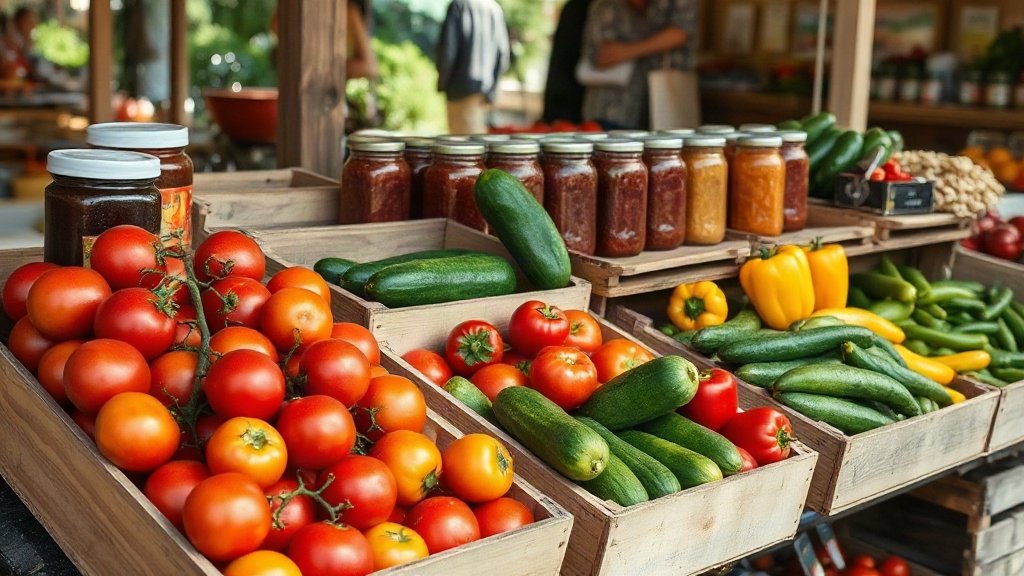
Illustration: AI-generated image
What to Expect
Romania's food markets are lively, noisy places where farmers and small producers sell everything from just-picked vegetables to homemade cheeses and cured meats. Most towns have a central market, often called a piață, which operates daily or on specific days. Markets are usually busiest in the morning, when the freshest produce is available.
Expect a mix of indoor halls and outdoor stalls. Indoor areas often house butchers, bakers and dairy sellers, while outdoor tables groan under the weight of seasonal fruit and vegetables. You'll also find vendors selling honey, preserves, pickles, eggs, and sometimes live poultry or rabbits.
Seasonal Produce
Romanian markets follow the seasons closely. In spring, look for wild garlic (leurda), nettles, and the first radishes and spring onions. Summer brings an explosion of tomatoes, peppers, cucumbers, aubergines, and stone fruits like cherries, apricots and peaches. Autumn is the time for grapes, quinces, walnuts, and the last of the outdoor tomatoes, plus mountains of cabbages and root vegetables. Winter markets are quieter but still offer stored apples, potatoes, carrots, and a wide range of pickles and preserves.
What to Buy
- Cheese: Look for brânză de burduf, a strong sheep's cheese aged in fir bark, or telemea, a white brined cheese similar to feta. Fresh caș is a soft, mild cheese that pairs well with spring onions and bread.
- Smoked meats: Slănină (smoked pork fat) and cârnați afumați (smoked sausages) are staples. Vendors often offer a taste before you buy.
- Pickles and preserves: Murături (pickled vegetables) and zacuscă (a smoky vegetable spread) are sold in jars and are perfect for taking home.
- Honey: Romania is a major honey producer. You'll find everything from acacia to sunflower to forest honey, often sold directly by beekeepers.
- Herbs and spices: Dried herbs like thyme, dill and lovage are common, as are hot paprika and whole black peppercorns.
How to Shop Like a Local
Bring cash, as many small vendors do not accept cards. It's also a good idea to bring your own bag, though plastic bags are usually available for a small fee. Don't be afraid to ask for a taste, especially with cheese, olives or cured meats. Vendors are generally happy to let you try before you buy.
Prices are often displayed per kilogram, but for small quantities you can ask for "o jumătate" (half a kilo) or "un sfert" (a quarter). Bargaining is not common in food markets, but polite conversation and a smile go a long way. If you want the freshest items, arrive early.
Beyond the Shopping
Many markets have small food stalls selling covrigi (pretzels), langoși (fried dough with sour cream and cheese) or grilled mititei. These make a quick, inexpensive snack while you shop. Some larger markets also have small cafés where you can enjoy a coffee or a glass of must (unfermented grape juice) in season.