€8m EU project brings satellite tools to Transylvanian grasslands
Farmers in Cluj and Bistrița-Năsăud will test new plant mixtures and satellite-based tools as part of the GrassWise project, funded by Horizon Europe.
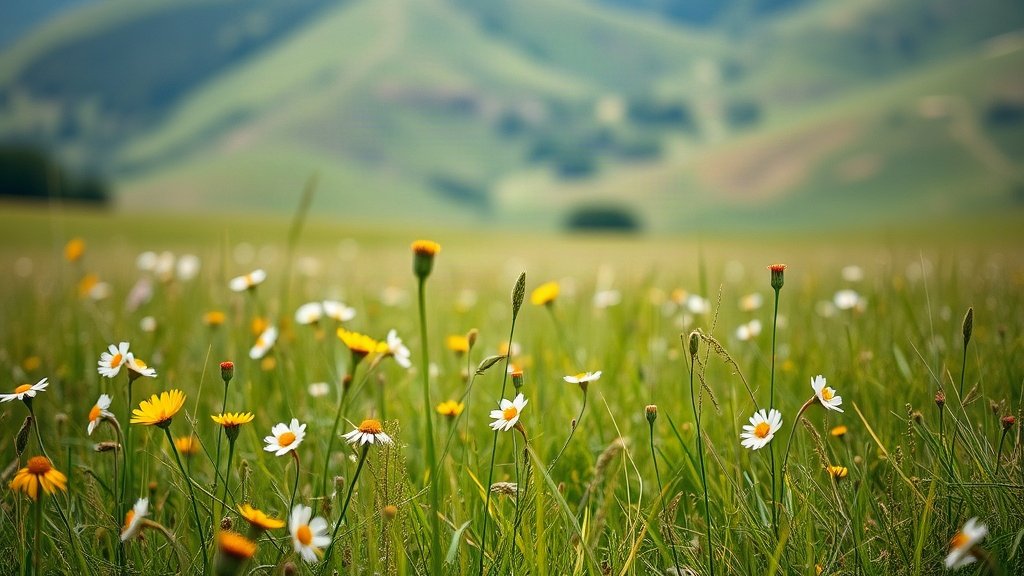
Illustration: AI-generated image
Farmers in Cluj and Bistrița-Năsăud counties will take part in a new European project that uses satellite observations and innovative plant mixtures to improve the management of grasslands. The GrassWise project, backed by €8 million from the EU’s Horizon Europe programme, runs from October 2026 to September 2030.
Romania is represented by the University of Agricultural Sciences and Veterinary Medicine (USAMV) Cluj-Napoca and the Țibleș-Someș-Meleș Agricultural Cooperative. They will work with local cooperatives in one of nine pilot areas across Europe and New Zealand, involving 135 partner farms in total.
Grasslands cover about 34% of the EU’s agricultural land and provide essential services such as fodder for livestock, biodiversity conservation, carbon storage, and protection of soil and water. However, these areas are under pressure from agricultural intensification, land abandonment, soil degradation and climate change, according to a statement from USAMV Cluj-Napoca.
As part of the project, farmers will test new mixes of grasses and legumes designed to deliver both environmental and economic benefits. The initiative also aims to create a European data platform that brings together farm records, field observations and satellite imagery. This tool will allow benchmarking and scenario analysis, helping land managers compare performance and examine the effects of different choices.
GrassWise is coordinated by Teagasc – the Agriculture and Food Development Authority in Ireland – and brings together 20 organisations from 13 European countries plus New Zealand. The project focuses on practical solutions adapted to different farming systems and regional conditions, with direct knowledge exchange between researchers and farmers.
For Transylvania, an area known for its species-rich hay meadows, the project could support both productivity and biodiversity. Local farmers will have a chance to test tools and plant mixes in real conditions, feeding directly into the wider European platform.