Timișoara: A First-Timer's Guide to Romania's 'Little Vienna'
Discover Timișoara, a charming western Romanian city known for its elegant architecture, lively squares and rich multicultural heritage.
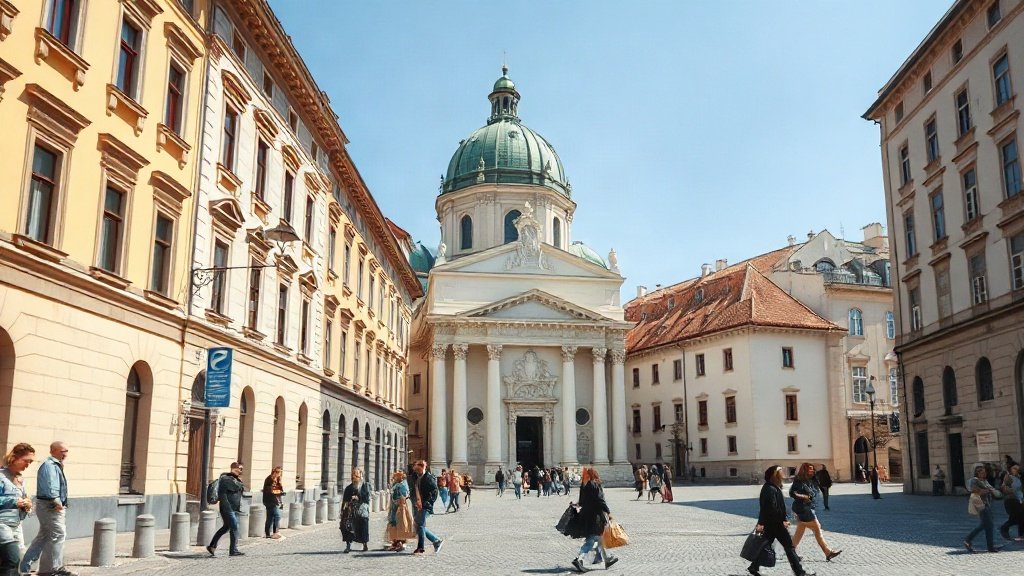
Illustration: AI-generated image
Western Romania's largest city, Timișoara, often draws comparisons to Vienna for its elegant squares, ornate palaces and relaxed café culture. As a former European Capital of Culture, it has polished its image while keeping a genuine local feel. Whether you're drawn by history, architecture or simply a pleasant place to wander, this Banat city rewards a slow exploration.
Why Visit Timișoara?
Timișoara sits on the Bega River, close to the borders with Serbia and Hungary. Its historic centre is compact and largely pedestrianised, making it ideal for walking. The city is famed for its Secessionist (Art Nouveau) and Baroque buildings, many painted in soft pastel shades. It also played a key role in Romania's 1989 revolution, and several sites commemorate that chapter without overshadowing the city's cheerful present.
Top Sights in the City Centre
The heart of Timișoara is formed by three main squares linked by short streets:
- Union Square (Piața Unirii): The oldest square, dominated by the Roman Catholic Dome and the Serbian Orthodox Cathedral. The surrounding buildings display an array of colours and architectural styles.
- Victory Square (Piața Victoriei): A long, grand boulevard-like square featuring the Metropolitan Orthodox Cathedral with its distinctive tiled roof, the Opera House and the National Theatre. It's a popular spot for evening walks.
- Liberty Square (Piața Libertății): A smaller, quieter square with the old Town Hall and military buildings, perfect for a coffee break.
Beyond the squares, take a stroll along the Bega River promenade, relax in Roses Park, or visit the open-air Village Museum to see traditional Banat homesteads. The 18th-century Bastion, part of the old fortifications, now hosts exhibitions and events.
Food and Drink
Banat cuisine blends Romanian, Hungarian, Serbian and German influences. Look for local specialities such as ciorbă de burtă (tripe soup), papricaș de pui (chicken paprika stew) and plăcinte (savoury or sweet pies). The city has a lively café scene; many locals enjoy a leisurely coffee or a local beer on a terrace. For something sweet, try gomboți (plum dumplings) or a slice of cozonac (sweet bread with nuts).
Getting Around and Practical Tips
Timișoara is well connected by air, rail and road. The airport is a short drive from the centre, and trains link the city with Bucharest, Cluj-Napoca and other Romanian destinations. Once in the city, the tram network is efficient and inexpensive, though the centre is best explored on foot. Bicycle rental is also available along the Bega River.
Spring and early autumn offer the most pleasant weather for exploring. English is widely spoken in tourist areas, and the local currency is the Romanian leu. While Timișoara is safe and welcoming, as in any city, keep an eye on your belongings in crowded places.