The Cojoc: Romania's Embroidered Sheepskin Coat
From shepherd's garment to festive attire, the cojoc is a masterpiece of Romanian folk craft, adorned with intricate embroidery and rich symbolism.
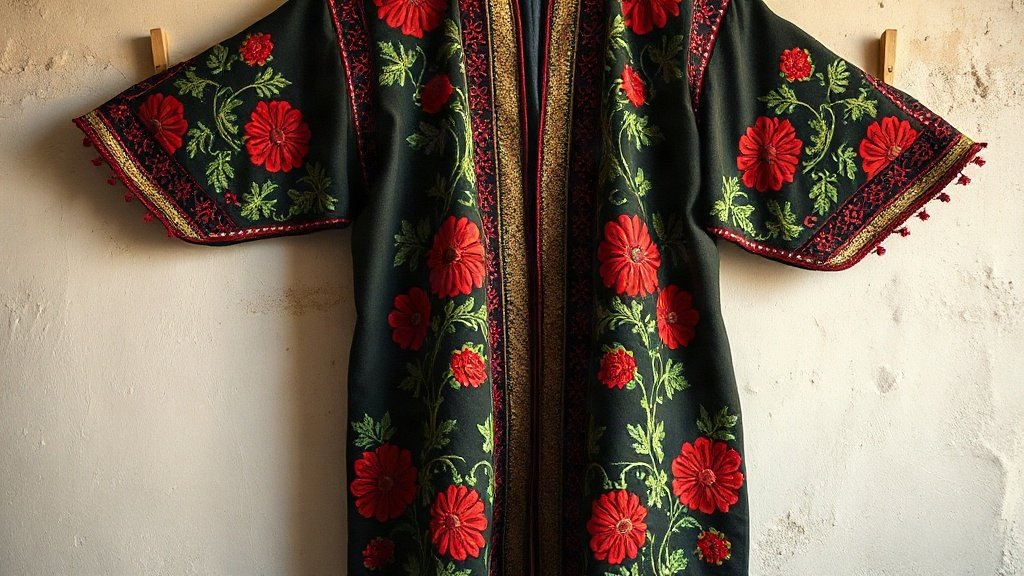
Illustration: AI-generated image
The cojoc is more than a winter garment; it is a canvas for Romania's rich folk artistry. Handcrafted from sheepskin and adorned with elaborate embroidery, this traditional coat has kept Romanians warm for centuries while telling stories of love, nature and belief through its intricate motifs.
A Shepherd's Essential
The cojoc's roots lie in Romania's pastoral heritage, where shepherds needed durable clothing to withstand harsh mountain winters. Made from the pelt of sheep, it was worn with the fleece turned inward for insulation, leaving the smooth suede outer surface ready for decoration. Over time, this practical garment became a marker of identity, worn across the country with regional variations that set villages apart.
The Art of Making a Cojoc
Creating a cojoc was a specialised craft practised by skilled artisans known as cojocari. The process began with tanning the sheepskin using natural materials, a labour-intensive task that could take weeks. Once the hide was supple and warm, the cojocar would cut and stitch the pieces into a coat, often adding a collar or sleeves. The true artistry came in the decoration: using thick wool, silk or even metallic threads, the artisan embroidered the surface with a needle, creating patterns that seemed to dance across the leather. Many coats also featured appliqué, leather fringes and small mirrors meant to ward off evil spirits – a nod to older folk beliefs.
Regional Styles and Symbolism
No two regions of Romania decorated the cojoc in quite the same way. In Maramureș, coats often bore geometric patterns in red and black, echoing the area's famous wooden gates. In Transylvania, floral motifs prevailed, stitched in vibrant greens, yellows and blues. Oltenia's cojoace were known for their dense, intricate embroidery, sometimes covering almost the entire surface. The motifs themselves were never random: spirals symbolised eternity, the tree of life stood for fertility and continuity, and suns and stars brought protection and good fortune. For those who wore them, the cojoc was a wearable talisman.
From Winter Warmth to Wedding Attire
While the cojoc was originally an everyday garment for shepherds and peasants, its beauty soon elevated it to festive wear. Brides received exquisitely embroidered cojoace as part of their dowry, and grooms wore them proudly at weddings. The wealth of decoration indicated the family's status and the skill of the maker. In some villages, the cojoc was passed down through generations, with each wearer adding new stitches or patches, so the coat became a living family chronicle.
The Cojoc Today
Though mass-produced clothing has replaced the cojoc for daily wear, the craft has not disappeared. In villages across Romania, especially in Maramureș, Bihor and Vrancea, artisans still practise the old techniques, often learning from elders. Museums display antique examples as masterpieces of folk art, and collectors seek out vintage pieces. For Romanians and visitors alike, the cojoc remains a powerful symbol of the country's creativity and connection to the land. It appears in folk ensembles, at cultural festivals and in the wardrobes of those who value tradition, proving that this ancient garment still has a place in the modern world.
Whether seen in a museum case or on a dancer at a festival, the cojoc speaks of a time when every object was made by hand with care and meaning. It is a reminder that in Romania, even the humble sheepskin coat became a work of art.