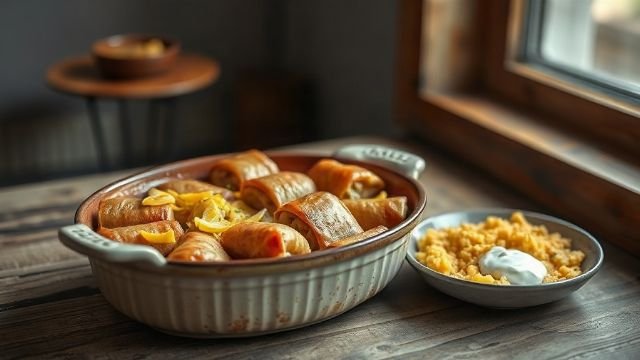
How to Make Mămăligă: Romania's Comforting Cornmeal Staple
Learn the simple technique for making mămăligă, a versatile Romanian polenta, and discover classic ways to serve it with cheese, sour cream and rich stews.
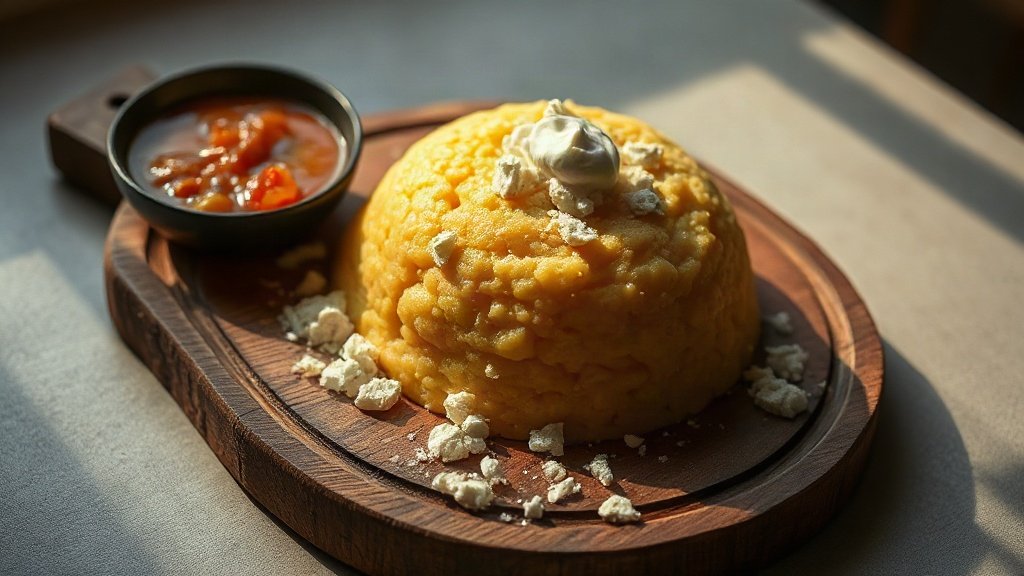
Illustration: AI-generated image
Mămăligă is the golden heart of many Romanian meals. Once a humble peasant food, it has earned a place on restaurant menus and family tables alike. Made from just cornmeal, water and salt, this dense polenta is gluten-free, economical and endlessly adaptable. It can be a side dish, a main course with toppings, or even a breakfast porridge.
A Bit of History
Corn was introduced to the Romanian lands in the 17th century and quickly became a staple, especially in the countryside. Mămăligă replaced millet porridge and was sometimes called "the bread of the poor" because it required no oven. Today, it is celebrated as a symbol of rustic Romanian cuisine.
What You Need
- 300g medium or coarse cornmeal (mălai)
- 1.2 litres water
- 1 teaspoon salt
- Optional: a knob of butter or a splash of milk for a creamier texture
Step by Step
- Bring the water to a rolling boil in a heavy-bottomed pot. Add salt.
- Gradually pour in the cornmeal in a thin stream, stirring continuously with a wooden spoon. This prevents lumps.
- Lower the heat to medium-low and keep stirring. The mixture will thicken and begin to splutter; be careful of hot bubbles.
- Cook for 10–15 minutes, stirring often and scraping the bottom. The mămăligă is ready when it pulls away from the sides of the pot and the spoon stands upright in the centre.
- For a fluffier texture, beat the mămăligă vigorously for a minute off the heat, then cover and let rest for 5 minutes.
If the mămăligă is too thick, add a little boiling water and stir. If too soft, cook a few minutes longer.
Serving It the Romanian Way
In Transylvania, mămăligă is often served as a bed for meat stews, goulash or papricaș. In Moldavia, it might be layered with soft cheese, sour cream and fried onions to make bulz – a ball of mămăligă stuffed with cheese and grilled. A simple and beloved breakfast is mămăligă cu brânză și smântână: hot mămăligă topped with crumbled telemea, sour cream and sometimes a fried egg.
Another tradition is to pour the hot mămăligă onto a wooden board, make a well in the centre, and fill it with melted butter, cheese or even a rich tomato sauce. Leftovers can be sliced and fried until golden, or reheated with milk and sugar for a sweet morning meal.
A Few Tips for Success
- Choose medium or coarse cornmeal for the right texture; fine maize flour will turn gluey.
- Use a cast-iron or heavy copper pot for even heat distribution.
- Never stop stirring during the first few minutes, as lumps can form easily.
- For a traditional touch, cook mămăligă in a ceaun (cast-iron cauldron) over an open fire when outdoors.
Mastering mămăligă is one of the simplest ways to bring a taste of Romania into your kitchen. Whether you serve it savoury or sweet, it's a dish that comforts and satisfies.