How to Recycle in Romania: A Practical Guide to Waste Sorting and Deposit Returns
Learn how to sort paper, plastic, glass and organic waste in Romania, and how the deposit return system for bottles works.
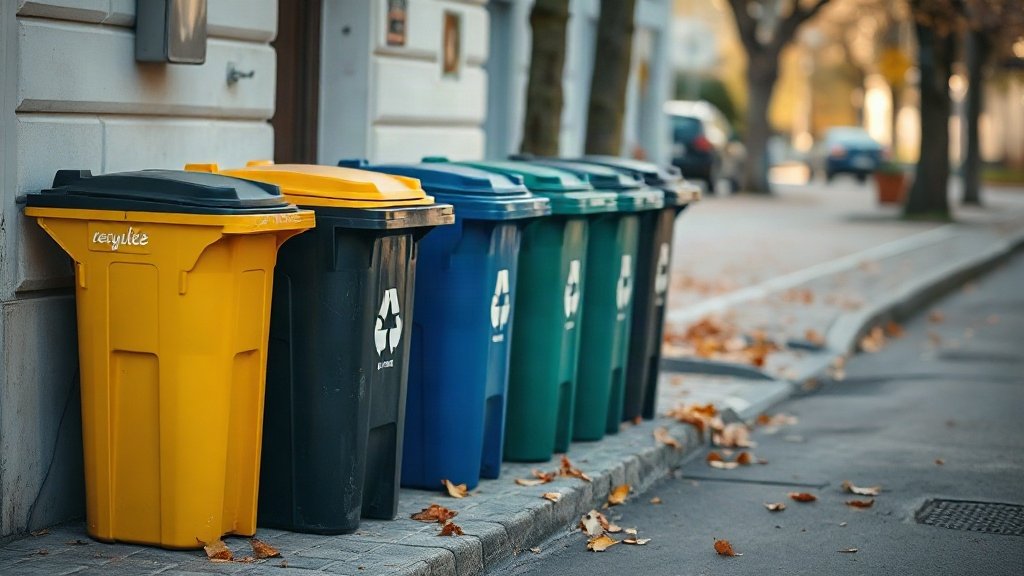
Illustration: AI-generated image
Living in Romania comes with a growing number of ways to reduce what ends up in landfill. Whether you are new to the country or have been here for years, understanding how recycling works at home and in your neighbourhood makes daily life smoother and kinder to the environment.
Sorting at Home
Most Romanian towns and cities now ask residents to separate recyclables from general waste. The exact colour codes and collection days vary from one county to another, so the first step is to check with your local council or building administrator. Many apartment blocks have dedicated bins in the courtyard or a nearby collection point, while houses often receive kerbside pickups.
As a general rule, you will come across separate containers for:
- Paper and cardboard – newspapers, magazines, cardboard boxes, office paper.
- Plastic and metal – bottles, containers, cans, foil.
- Glass – bottles and jars, usually sorted by colour in some areas.
- Organic waste – food scraps and garden waste, where collection exists.
- Residual waste – anything that cannot be recycled, such as nappies, broken ceramics, or greasy food wrappers.
Before you put items in the recycling bin, give them a quick rinse to remove food residue. Remove lids and caps where possible, and flatten cardboard boxes to save space. Do not put greasy pizza boxes, used paper towels or laminated cartons in the paper bin unless your local scheme explicitly accepts them.
The Deposit Return System
Romania operates a deposit return scheme for single-use drink containers. Many plastic, glass and metal bottles and cans carry a small deposit, which you pay when you buy the drink. You can return the empty container to any shop that sells drinks and receive your deposit back, either in cash or as a voucher against your next purchase.
Look for the special symbol on the label – usually a triangle with the letters SGR or a similar mark. Keep the container intact, do not crush it, and make sure the label is readable. The system is designed to be convenient: you do not need to return the bottle to the same shop where you bought it.
Special Items
Some household items need a little more care. Batteries, light bulbs, electronics and small appliances should not go in the general waste. Many supermarkets and electronics stores have collection boxes for batteries and small devices. Pharmacies often accept expired medicines, and larger towns have dedicated drop-off points for bulky waste, hazardous materials and textiles.
If you are unsure where to take something, ask your local council or look for information on their website. In many areas, there are mobile collection points that visit neighbourhoods on a regular schedule.
Tips for Apartment Dwellers
Living in a flat does not mean recycling has to be difficult. Set up a small sorting station in your kitchen or on the balcony: a bag for paper, one for plastic and metal, and a box for glass. Take them out when full, or on the designated collection day. If space is tight, consider using foldable crates or hanging bags on the inside of a cupboard door.
Remember that organic waste can smell, so if your building does not have a separate bin for it, try to take it out daily. Some people keep a small lidded container in the fridge to reduce odours until collection day.
Making It a Habit
Recycling in Romania is becoming easier every year. Once you know the system in your area, it takes only a few minutes each week. The effort is small, but the cumulative effect on the country’s beautiful landscapes and busy cities is huge. Start with one category at a time, and soon it will feel like second nature.