Taking Local Buses in Romania: A Visitor's Guide
From city routes to rural maxi-taxis, here's how to navigate Romania's bus network with confidence and reach places trains don't go.
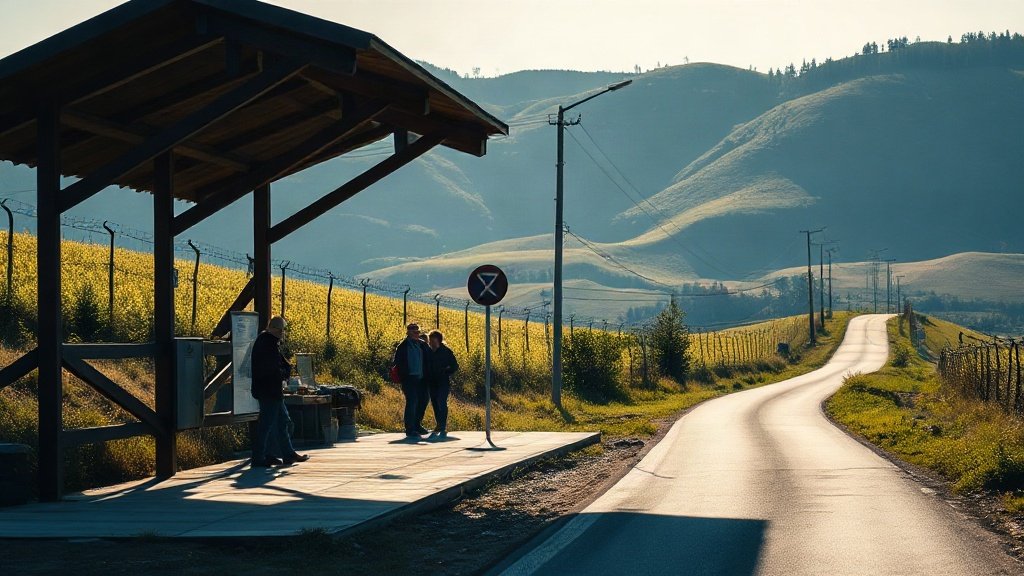
Illustration: AI-generated image
Romania's rail network may grab the headlines, but for many places—especially villages and smaller towns—the bus is king. Whether you're hopping between neighbourhoods in Bucharest or venturing into the Apuseni Mountains, understanding local buses and maxi-taxis will open up a side of the country most visitors miss.
How the System Works
For travellers, Romania's buses fall into two broad categories: city buses and intercity or rural buses. City buses operate on fixed routes within towns and are usually run by a municipal transport authority. Intercity and rural connections are often served by private operators using minibuses known locally as maxi-taxis (singular maxi-taxi). These fill the gaps left by the railway and cover almost every corner of the country.
City Buses
In larger cities such as Bucharest, Cluj-Napoca, Timișoara and Brașov, the bus networks are extensive and modern. Vehicles are often low-floor for accessibility, and stops are marked with signs showing route numbers. Many cities have real-time displays at major stops, and announcements inside the bus help you know when to get off. Tickets are rarely sold on board; instead, you buy them from street kiosks, ticket machines at key stops, or via SMS or mobile apps. Remember to validate your ticket in the machine near the door as soon as you board.
Smaller cities may have older buses and fewer automated systems. In some places, you still buy a paper ticket from the driver, but keep an eye out for local practices—always check what others are doing and ask if unsure.
Rural and Intercity Buses (Maxi-Taxis)
This is where the real adventure begins. Maxi-taxis are typically white or silver minibuses that connect towns and villages. They operate from dedicated bus stations (autogari) or from specific street corners. Schedules can be flexible: buses often leave when they are full rather than at an exact minute, especially on less busy routes. However, on popular routes they generally stick to a timetable.
To find your bus, look for the destination sign in the windscreen or ask the driver. Luggage usually goes in the back or on the roof. Fares are paid in cash to the driver or a conductor, and it's wise to have small notes and coins ready. On longer journeys, the bus may stop for breaks, but don't expect on-board toilets.
Buying Tickets and Passes
For city buses, you'll often need to pre-purchase tickets or have an app. Many cities now use contactless card readers, but not all buses accept bank cards directly. If you plan to use public transport a lot, consider a day pass or multi-ride card, often available at kiosks and transport offices. For maxi-taxis, you simply pay cash on board. Always ask for a receipt if you need one.
Practical Tips for Travelling by Bus
- Arrive early at bus stations, especially for rural routes, as buses may leave before the posted time once full.
- Write down the name of your destination in Romanian to show the driver if needed.
- Keep cash in small denominations; drivers often cannot change large notes.
- On crowded buses, be prepared to stand; personal space is different from what you may be used to.
- If you're unsure where to get off, ask a fellow passenger or the driver—most will try to help.
- In rural areas, bus stops may be just a signpost or a landmark; waving to stop the bus is common on some routes.
Using local buses in Romania is not only budget-friendly but also a wonderful way to see daily life and reach places that guidebooks often skip. With a little patience and these tips, you'll be navigating the country like a local.