Sighișoara Citadel: Romania's Living Medieval Gem
Discover Sighișoara Citadel, a beautifully preserved Saxon fortress town in Transylvania and a UNESCO World Heritage Site, where history is written in cobblestones and colourful facades.
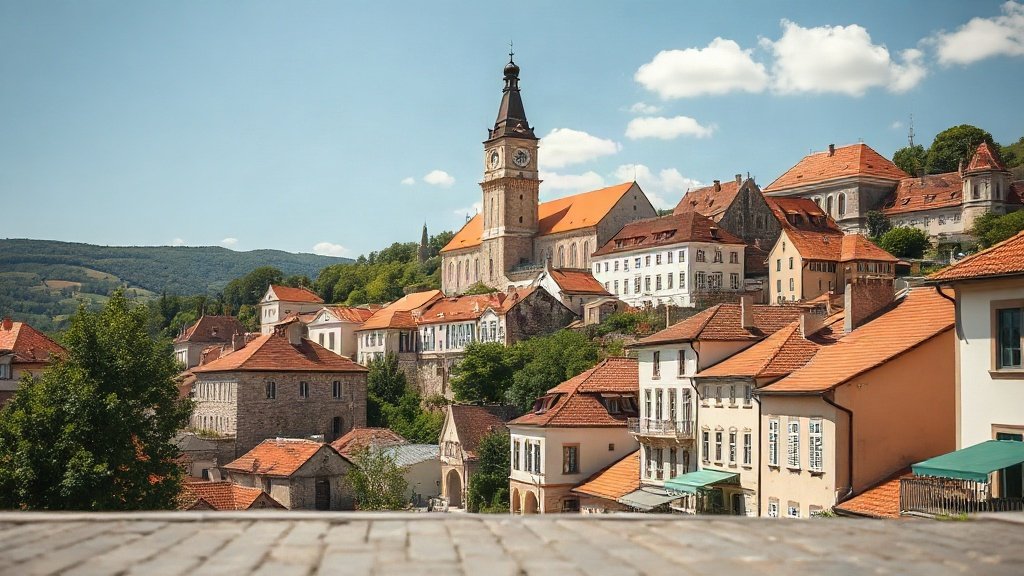
Illustration: AI-generated image
Perched on a hill in the heart of Transylvania, Sighișoara Citadel is one of Europe's best-preserved inhabited medieval towns. With its cobbled lanes, pastel-coloured houses and sturdy defensive walls, this former Saxon settlement invites visitors to step back in time. Listed as a UNESCO World Heritage Site since 1999, the citadel remains a living, breathing community rather than a museum piece.
A Saxon Fortress Town
Sighișoara was founded in the 12th century by German settlers known as Transylvanian Saxons, who called it Schäßburg. The town grew wealthy through trade and craft guilds, and by the 14th century it had become an important urban centre. Its hilltop location made it easy to defend, and over the centuries the Saxons built a formidable system of walls, towers and bastions. Of the original fourteen towers, nine survive today, each named after the guild that maintained it.
The citadel's layout follows the natural contours of the hill, with the upper town around the main square and the lower town spreading beneath. This separation reflected social and economic distinctions, but together they formed a harmonious urban fabric of narrow streets, hidden passages and open squares.
What to See in the Citadel
The undisputed symbol of Sighișoara is the Clock Tower, built in the 14th century and later expanded. Standing 64 metres tall, it once served as the main gate to the citadel and housed the town council. Today it contains a history museum, and from its upper balcony visitors can enjoy panoramic views over the red rooftops and surrounding countryside. The tower's clock, with its rotating figures representing day, night and the days of the week, has been delighting onlookers for centuries.
Nearby, the Church on the Hill dominates the highest point of the citadel. This Gothic church, reached by the covered Scholars' Stairs with 175 wooden steps, dates from the 14th century and preserves fine frescoes and a remarkable collection of medieval altars. The climb is rewarded not only by the church itself but also by the atmosphere of a place that has witnessed over 700 years of worship.
Another highlight is the house where Vlad Țepeș, the historical figure often associated with Dracula, is said to have been born in 1431. While the building now houses a restaurant, its ochre facade and small plaque still draw many curious visitors. Beyond these landmarks, simply wandering the citadel's lanes is a pleasure. You will encounter the Tailors' Tower, the Tinsmiths' Tower, the Monastery Church and numerous medieval houses with distinctive features such as high gates and inner courtyards.
Practical Tips for Visitors
Sighișoara Citadel is best explored on foot, as vehicles are restricted in the upper town. Wear comfortable shoes for cobbled streets and occasional steps. The site is open to the public year-round, though spring and early autumn offer pleasant weather for strolling. Summer brings the annual medieval festival, when the citadel fills with music, crafts and reenactments. In winter, the town has a quieter, almost fairy-tale charm, though some attractions may have shorter hours.
Because the citadel is still inhabited, visitors are asked to be respectful of residents who call this medieval wonder home. There are plenty of places to eat and drink inside the walls, and the town below offers additional services. Whether you come for history, architecture or simply to soak up the atmosphere, Sighișoara Citadel promises an unforgettable journey into Romania's Saxon heritage.