A Visitor's Guide to Romanian Orthodox Church Etiquette
Understanding the customs and expectations when attending a Romanian Orthodox service can help you feel welcomed and show respect for the local culture.
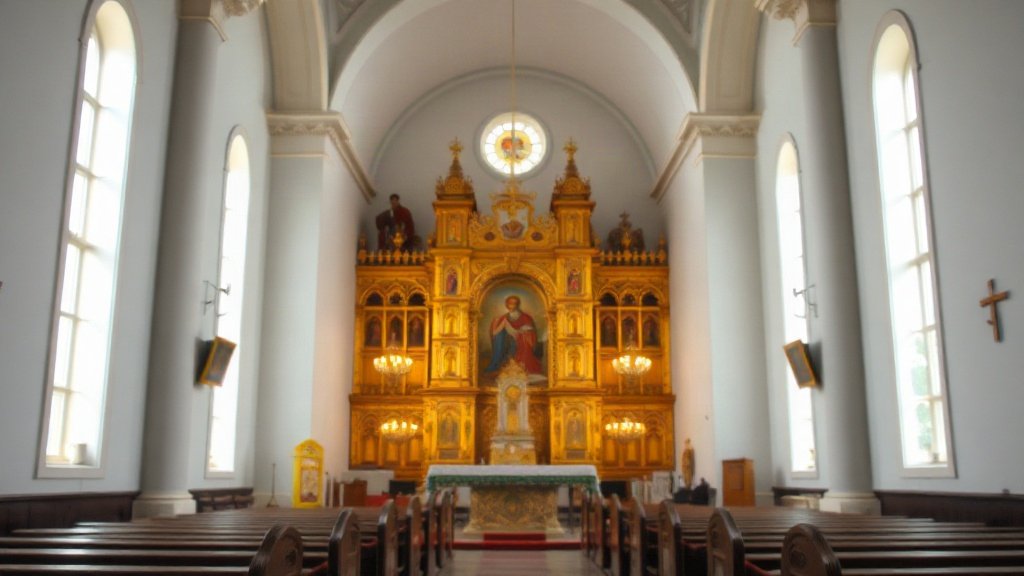
Illustration: AI-generated image
Stepping into a Romanian Orthodox church can be a moving experience, whether you attend a Sunday liturgy or simply visit a historic monastery. While visitors are generally welcomed, knowing a few simple customs will help you feel at ease and show respect for the local faith. This guide covers the essentials of Orthodox church etiquette in Romania, from dress to behaviour during the service.
What to Wear
Modesty is key when visiting a church. Both men and women should cover their shoulders and knees. For men, long trousers and a shirt with sleeves are appropriate; shorts and sleeveless tops are best avoided. Women often wear a long skirt or dress, and it is common to cover the head with a scarf or shawl, although this is not strictly required in every parish. If you forget, many churches keep a basket of scarves near the entrance for visitors to borrow.
Entering the Church
When you arrive, you may see worshippers crossing themselves before entering or kissing the icon at the door. You are not expected to do the same, but a quiet, respectful attitude is appreciated. Inside, it is customary to light a candle for prayer intentions; candles are available from a small stand inside the church, usually for a small donation. You may also venerate icons by crossing yourself, bowing and kissing the image, but this is optional. Simply standing quietly and observing is perfectly acceptable.
During the Service
Orthodox services are largely standing affairs. Although some churches have pews or chairs along the walls, the congregation usually stands for most of the liturgy, which can last two hours or more. Men traditionally stand on the right side of the church and women on the left, though this is not enforced. If you need to sit, feel free to use a chair if available. Keep your phone silenced and avoid conversation during the service. The liturgy is in Romanian, but you can follow the general rhythm: the priest’s chanting, the choir’s responses and the clouds of incense create a powerful atmosphere even if you do not understand the words.
Holy Communion
Only baptised Orthodox Christians who have prepared through fasting and confession may receive Holy Communion. Visitors of other faiths or those not practising should remain in their place during this part of the service. Do not approach the chalice. It is also polite to step aside if the priest processes with the communion gifts, giving him space to pass.
Leaving the Church
If you need to leave before the end of the service, do so quietly and preferably not during the Gospel reading, the consecration of the bread and wine, or the Lord’s Prayer. A discreet exit is less disruptive. After the service, many churches distribute blessed bread (antidoron) to all attendees, including visitors. This is not communion but a sign of fellowship, and you are welcome to take a piece.
Practical Tips
Photography is often allowed in the main body of the church but may be restricted during services or in certain monasteries. Always ask permission before taking pictures. If you visit a monastery, check the dress code beforehand, as some are stricter than parish churches. Finally, remember that churches are places of worship first and tourist attractions second; a quiet, unhurried visit will be more rewarding for both you and the local community.