Sighișoara: A Visitor's Guide to Romania's Medieval Citadel
Step back in time in Sighișoara, a UNESCO-listed Saxon town with cobbled lanes, colourful houses and a legendary clock tower.
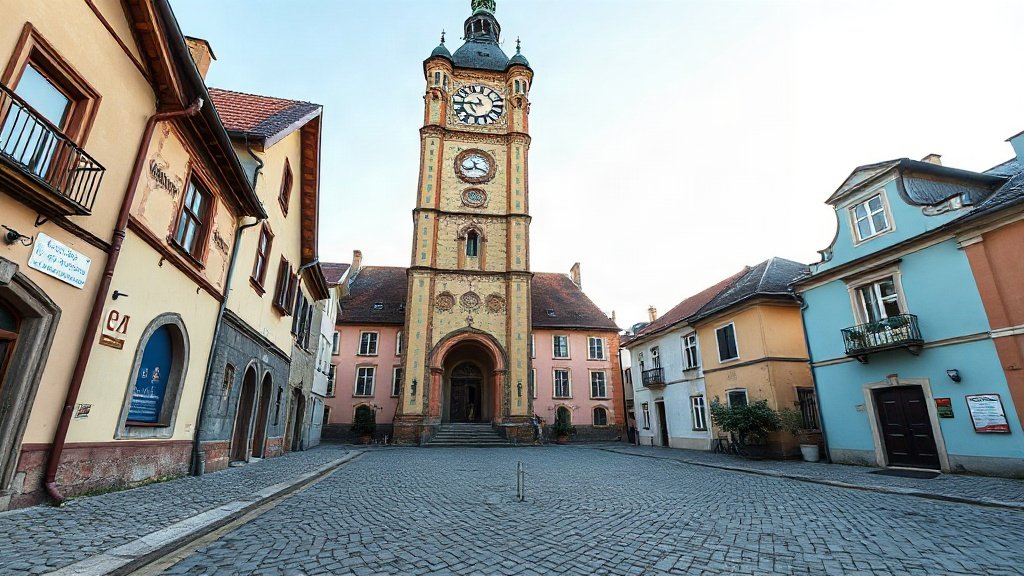
Illustration: AI-generated image
Perched on a hill in the heart of Transylvania, Sighișoara is one of Europe’s most enchanting medieval towns. Its historic centre, a UNESCO World Heritage Site, remains remarkably intact, with cobbled streets, pastel-coloured merchant houses and nine surviving towers from the original fortifications. For travellers seeking a step back in time, it’s a must-visit.
A Living Medieval Citadel
Sighișoara was founded by Saxon settlers in the 12th century and grew into an important craft and trade centre. Unlike many other medieval towns that were rebuilt over the centuries, its citadel has preserved its original layout and much of its architecture. Walking through the narrow lanes feels like entering a different era, especially in the early morning or late evening when day-trippers have gone.
Things to See
The undisputed icon is the Clock Tower, a 64-metre-high structure that once served as the main gate and town hall. Today it houses the history museum, but even from outside, its multi-coloured tiled roof and mechanical figures are a delight. The tower’s four turrets once symbolised the town’s autonomy, and its rooftop figures—each representing a different aspect of medieval justice—rotate on a wooden mechanism built in the 17th century. Climb the covered wooden stairway, built in 1642, to reach the Church on the Hill, a Gothic church with frescoes and a peaceful cemetery. Along the way, look for the bust of Vlad III, known as Vlad the Impaler, the 15th-century Wallachian prince born in Sighișoara who later inspired the Dracula legend.
Other highlights include the Venetian House, the Scholars’ Stairs, and the many towers—such as the Tinsmiths’ Tower and the Butchers’ Tower—that dot the old walls. Simply wandering without a fixed plan is rewarding; every corner reveals a hidden courtyard or a colourful façade.
Practical Tips
- Getting around: The citadel is pedestrian-only and compact. Wear comfortable shoes for the cobbles and stairs.
- Best time to visit: Spring and autumn offer pleasant weather and fewer crowds, though the town is magical under snow in winter.
- Nearby attractions: Combine your visit with the fortified church at Biertan, a short drive away, or the Saxon villages of Viscri and Malâncrav.
Sighișoara’s Saxon heritage is evident in its architecture and traditions. The fortified church on the hill and the preserved guild houses tell the story of a prosperous medieval community. Today, the town balances its historical legacy with a vibrant cultural life, hosting art exhibitions and concerts throughout the year. As with any historical site, be mindful of residents; many people still live within the citadel walls.
Whether you’re a history buff, a photography enthusiast or simply romantic at heart, Sighișoara will not disappoint. It’s a place that rewards slow exploration and invites you to linger over a coffee in the main square, watching the world go by beneath centuries-old walls.