Sibiu: A First-Timer's Guide to Romania's Cultural Capital
Once a powerful Saxon merchant city, Sibiu blends medieval lanes, grand squares and a lively cafe culture. Here's how to make the most of your visit.
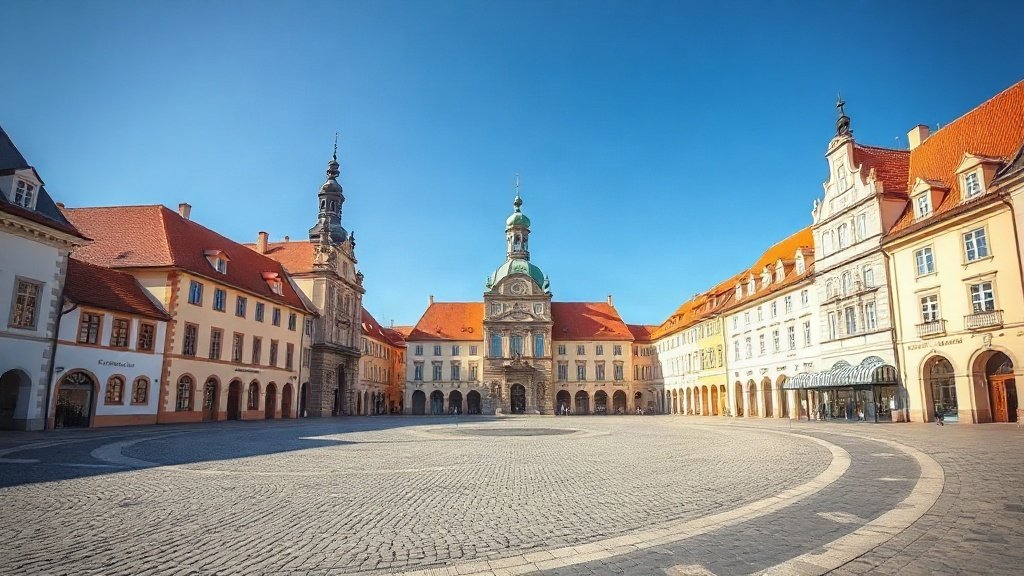
Illustration: AI-generated image
Set in the heart of Transylvania, Sibiu is one of Romania's most elegant and walkable cities. Founded by Saxon settlers in the 12th century, it grew rich on trade and craftsmanship, and that prosperity still shows in the colourful baroque facades, cobbled streets and imposing defensive towers that ring the old town. A European Capital of Culture in 2007, Sibiu now balances its medieval past with a relaxed, modern energy.
Getting there and around
Most visitors arrive by train or car. Sibiu's main railway station connects with Brașov, Cluj-Napoca and Bucharest, while the airport offers flights to several European hubs. Once in the centre, the best way to explore is on foot. The old town is compact and largely pedestrianised, with clear signposts for the main sights. For day trips into the surrounding countryside, including the nearby villages of Rășinari and Cisnădioara, local buses run regularly from the main bus station, a short walk west of the centre.
What to see in the old town
Start in the Large Square (Piața Mare), the city's main gathering place since the 15th century. On its western side stands the Brukenthal Palace, home to one of Romania's oldest museums and a fine collection of European art. From the square, walk under the Council Tower into the smaller Small Square (Piața Mică), where the wrought-iron Bridge of Lies spans the street below. Local legend says the bridge will creak if you tell a lie while crossing it.
Just east of the Small Square, the Huet Square is dominated by the Evangelical Cathedral, a Gothic hall church completed in 1520. Its tower offers a sweeping view over the old town's rooftops. Nearby, the stair passages connect the upper and lower towns through narrow, covered walkways that once served as defensive shortcuts. Don't miss the Stairs Passage (Pasajul Scărilor), a picturesque brick-lined descent to the lower town.
For a different perspective, walk the old fortifications. The Thick Tower (Turnul Gros), built in the 16th century, now houses a small theatre, while the Carpenters' Tower and Potters' Tower still guard the former guild quarters.
Where to eat and drink
Sibiu's food scene has grown well beyond traditional Saxon and Romanian dishes, though you should still try local specialities like ciorbă de burtă (tripe soup), sarmale (cabbage rolls) and papanăși (fried doughnuts with sour cream and jam). The streets around the Small Square are lined with cafés and restaurants, many with outdoor terraces in warmer months. Look for places that display a “Bun de Sibiu” label, a local initiative promoting products made in the region. For a quick snack, stop at a bakery for a covrigi (soft pretzel) or a slice of plăcintă (sweet or savoury pie).
In the evening, the lower town and the area around the former city walls have a growing number of bars and wine cellars. Transylvania's cool climate produces crisp white wines and light reds, and many menus include local varieties such as Fetească Regală and Fetească Neagră.
Practical tips
- Best time to visit: May to September for warm weather and open terraces; December for the famous Christmas market in the Large Square.
- Language: Romanian is the official language, but many people in the tourist industry speak English. German is also understood by some older residents.
- Money: Romania uses the leu (RON). Cards are widely accepted in the centre, but carry some cash for small purchases and rural buses.
- Day trips: The fortified church at Cisnădioara and the ethnographic museum in Rășinari are easy half-day excursions.
Whether you come for the history, the food or simply to wander the photogenic streets, Sibiu rewards slow exploration. Allow at least two full days to see the main sights without rushing.