Sarmale: Romania's National Dish of Stuffed Cabbage
Discover the history, regional variations and local etiquette of sarmale, the hearty stuffed cabbage rolls that are a staple at Romanian celebrations.
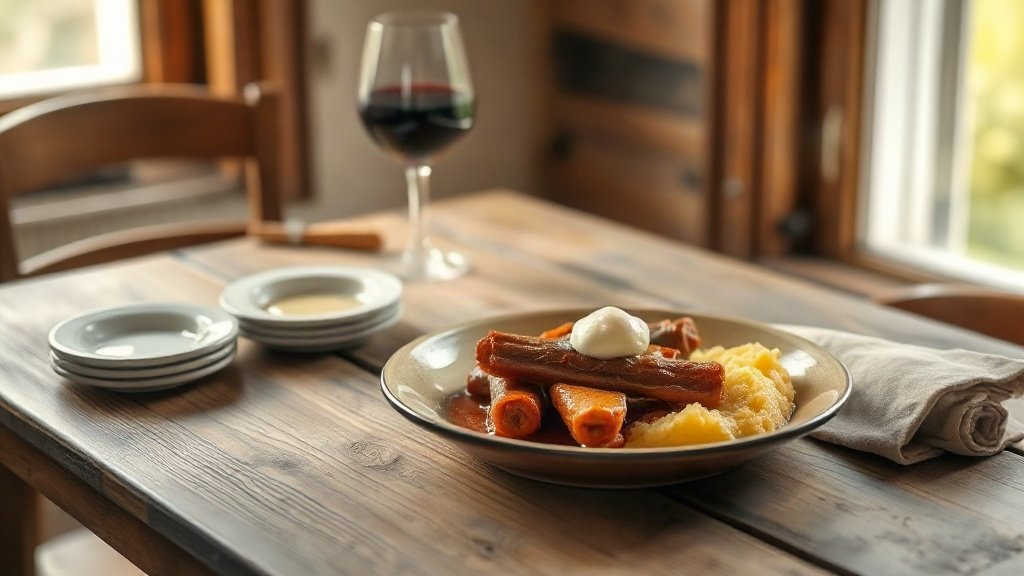
Illustration: AI-generated image
Sarmale are the undisputed soul of Romanian comfort food. These slow-cooked rolls of minced meat, rice and herbs, wrapped in pickled cabbage or vine leaves, appear on tables at weddings, Christmas, Easter and every family gathering in between. For visitors, tasting sarmale is not just a meal—it is an introduction to the country's deep culinary traditions and its Ottoman influences.
What Are Sarmale?
The word sarmale comes from the Turkish sarma, meaning "to wrap". The dish was introduced during the centuries of Ottoman rule and has been thoroughly Romanianised. The classic filling blends minced pork (sometimes mixed with beef), rice, finely chopped onions and a generous seasoning of thyme, dill and black pepper. Each portion is rolled into a tight cylinder, then layered in a heavy pot with smoked bacon or ribs and a rich tomato sauce. The rolls simmer for hours until tender and deeply flavoured.
A Dish for All Seasons
Sarmale are eaten year-round, but they steal the show in winter. The pickled cabbage leaves used for wrapping are traditionally prepared in late autumn, and the dish's long cooking time makes it perfect for festive feasts. At Christmas, many families prepare enormous pots that feed guests for days. In summer, fresh vine leaves or even sorrel are sometimes used, giving the rolls a lighter, more acidic character.
Regional Variations
While the basic concept is universal, each region adds its own twist. In Transylvania, sarmale are often made with smoked pork and served with a dollop of sour cream. In Moldavia, they may be smaller and cooked with a generous amount of tomato paste. Along the Danube, fish sarmale—wrapped in vine leaves and stuffed with carp or pike—are a local speciality. Vegetarian versions, filled with rice, mushrooms and herbs, are also common, especially during fasting periods in the Orthodox calendar.
How to Eat Sarmale Like a Local
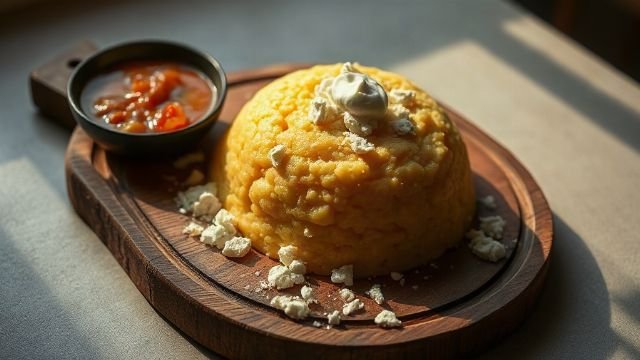
Sarmale are always eaten with a fork, never with your hands. They are traditionally served as a main course, accompanied by mămăligă (polenta) and a spoonful of sour cream. A slice of fresh bread is useful for mopping up the sauce. If you are invited to someone's home, expect second helpings to be pressed upon you—accepting is a sign of appreciation. In restaurants, look for sarmale on the menu under "traditional dishes"; they are usually sold by the piece or as a plate with sides.
Where to Try Sarmale
You will find sarmale in almost every traditional Romanian restaurant, from village pubs to city bistros. Rural guesthouses (pensiuni) are excellent places to taste homemade versions, often cooked in clay pots over a wood fire. During Christmas markets and food festivals, stalls often sell sarmale as a warming street snack. If you are staying in an apartment, many supermarkets and delis sell pre-made sarmale that only need reheating—a convenient way to enjoy the dish at your own pace.