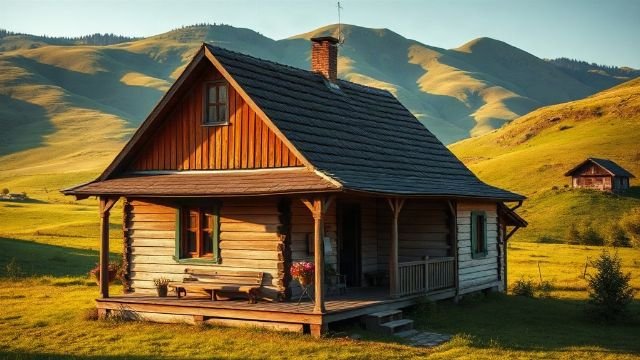
Sâmbra Oilor: Romania's Spring Festival of Sheep and Cheese
Discover the ancient pastoral celebration where mountain communities honour their flocks with music, feasting and age-old rituals.
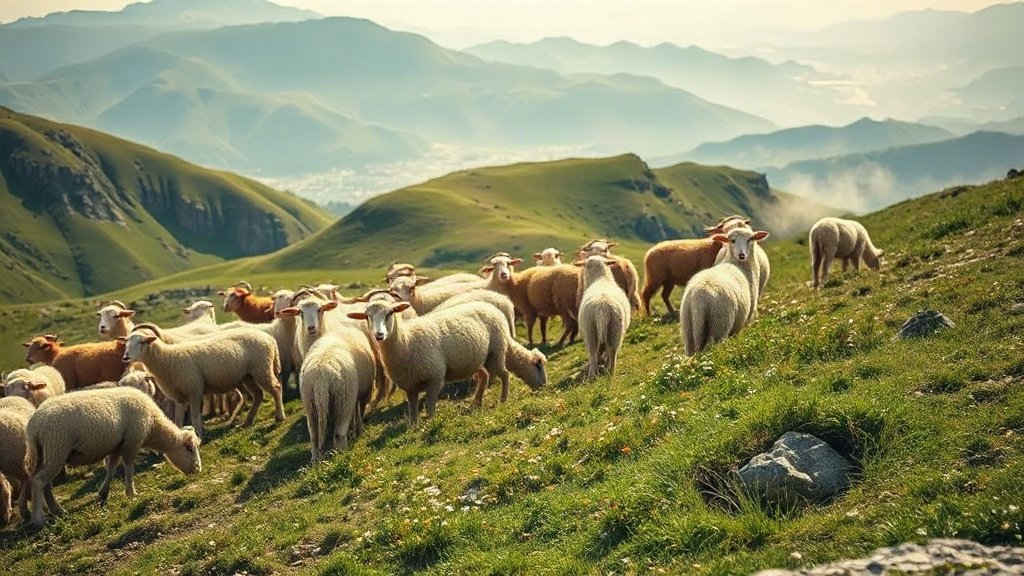
Illustration: AI-generated image
High in the Carpathian Mountains, where meadows turn green and sheep grow restless for fresh grass, a centuries-old ritual marks the start of summer. Sâmbra Oilor, or the 'Assembly of the Sheep', is a spring festival celebrated in many Romanian mountain villages, particularly in Maramureș and other pastoral regions. It is a day when shepherds, farmers and villagers come together to honour their flocks, measure the season's first milk and share in the fruits of their labour.
A Ritual Rooted in Pastoral Life
For generations, sheep farming has been central to the economy and culture of Romania's highlands. Each spring, as the snow melts, shepherds move their flocks from lowland winter shelters to rich alpine pastures - a practice known as transhumance. Sâmbra Oilor marks this transition. Before the sheep are sent to the mountains, the community gathers to perform an important task: measuring each sheep's milk production to fairly divide the cheese and other dairy products made over the summer.
The head shepherd, or baci, oversees the ritual. Traditionally, the sheep are milked by hand, and the milk is measured in wooden vessels. Each owner's share of the future cheese is determined by the amount their sheep produce. This system, based on mutual trust and old customs, has sustained mountain communities for centuries.
A Day of Music, Dance and Feasting
Once the measurements are complete, the festival turns to celebration. The meadow becomes a stage for traditional music - the sound of the fluier (shepherd's flute) and the cimpoi (bagpipe) fills the air. Men and women dress in their finest folk costumes, embroidered with regional patterns, and join in lively dances such as the hora and the învârtita. The scent of grilled meat and fresh cheese drifts across the hills.
Food is a central part of Sâmbra Oilor. Shepherds prepare bulz, a hearty dish of polenta stuffed with cheese and roasted over embers, and pastramă, a traditional cured meat. Fresh caș (sheep's cheese) and urdă (soft whey cheese) are shared among guests. The feast is a way of thanking the sheep and the land for their bounty, and of strengthening community bonds.
Why It Matters Today
Although fewer people work as shepherds than in the past, Sâmbra Oilor remains a powerful symbol of Romanian identity and rural heritage. The festival attracts not only locals but also visitors eager to witness a living tradition that has changed little over time. It is a reminder of the deep connection between people, animals and the natural cycles of the mountains.
For those who attend, it is an opportunity to experience authentic folklore, taste handmade cheese and see the proud display of shepherd culture. The event is usually held in a village or meadow, and while the date varies from year to year, it always takes place in spring, when the mountain pastures are ready to receive the flocks.
Visiting with Care
If you plan to attend, remember that this is a working rural event, not a tourist show. Wear sturdy shoes, as the terrain can be uneven, and bring water and sun protection. Most importantly, approach with respect: ask before taking photos, and be open to conversation - many shepherds are happy to share stories about their way of life.