Romanian Table Manners: A Guide for Visitors
From toasting with țuică to finishing everything on your plate, these simple etiquette tips will help you feel at ease at any Romanian table.
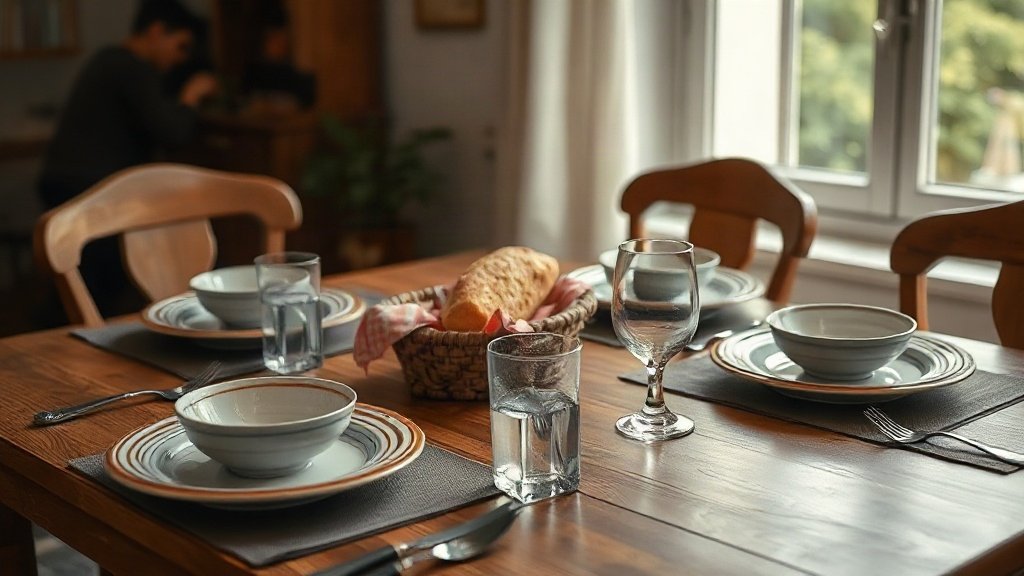
Illustration: AI-generated image
Sharing a meal is one of the warmest ways to experience Romania. Whether you are invited to a family home, joining colleagues for lunch, or dining in a traditional restaurant, knowing a few local customs will make the experience smoother and more enjoyable. Romanian dining etiquette is rooted in hospitality and respect, and while modern life has relaxed some rules, a few traditions remain widely observed.
Arriving and seating
If you are invited to someone's home, it is customary to arrive on time or slightly early. Bringing a small gift—flowers, a bottle of wine, or a box of chocolates—is always appreciated. Wait to be shown where to sit; in many households, specific seats are reserved for elders or honoured guests. In restaurants, the host usually chooses the table, and it is polite to wait until everyone is seated before starting to eat.
Starting the meal
Meals often begin with a toast. The most common phrase is "Poftă bună!" (enjoy your meal), said before the first bite. If alcohol is served, the host may offer a short toast; raise your glass, make eye contact, and take a sip. Do not start eating until the host says "Poftă bună" or begins themselves.
Toasts and drinking
Toasting is an important part of Romanian dining. The word "Noroc!" (good luck) is used casually, while "Sănătate!" (to your health) is common for formal occasions. When clinking glasses, look the other person in the eye—it is considered polite and brings good luck. If drinking spirits like țuică or pălincă, it is customary to sip rather than gulp, and you may be expected to finish your glass before the next course. Always pour for others before filling your own glass.
Bread and condiments
Bread is a constant presence on Romanian tables, often served in a basket or on a wooden board. It is perfectly acceptable to use bread to mop up sauces or to hold food while cutting. Salt and pepper are usually on the table, but taste before adding—Romanian food is often well seasoned. Mujdei (garlic sauce) and smântână (sour cream) are common accompaniments; feel free to add them to your plate.
Using cutlery
Romanians typically eat with the fork in the left hand and the knife in the right, switching the fork to the right hand only when eating without a knife. Keep your wrists resting on the table edge, not your elbows. When pausing, place cutlery crossed on the plate; when finished, place them parallel, handles to the right, tines up. Avoid waving cutlery while speaking.
Finishing your plate
Leaving food on your plate can be interpreted as a sign that you did not enjoy the meal. In many homes, finishing everything is a compliment to the cook. However, in restaurants, it is fine to leave a small amount if you are full. If offered seconds, it is polite to accept at least a small portion to show appreciation, but you may politely decline after the first extra helping.
In someone's home
If you are a guest in a Romanian home, offer to help with clearing the table, though the host may refuse. It is customary to compliment the food sincerely, and asking for a recipe is a great compliment. After the meal, coffee or tea is often served; stay for a while to chat—rushing off immediately can seem rude. A follow-up message thanking the host the next day is a kind gesture.
Romanian hospitality is generous and warm. By observing these simple courtesies, you will not only show respect but also open the door to deeper connections with locals and a richer understanding of the country's food culture.