Romanian Gift-Giving Etiquette: What to Bring and When
From flowers to housewarmings, a practical guide to choosing the right gift for every occasion in Romania, so you never arrive empty-handed.
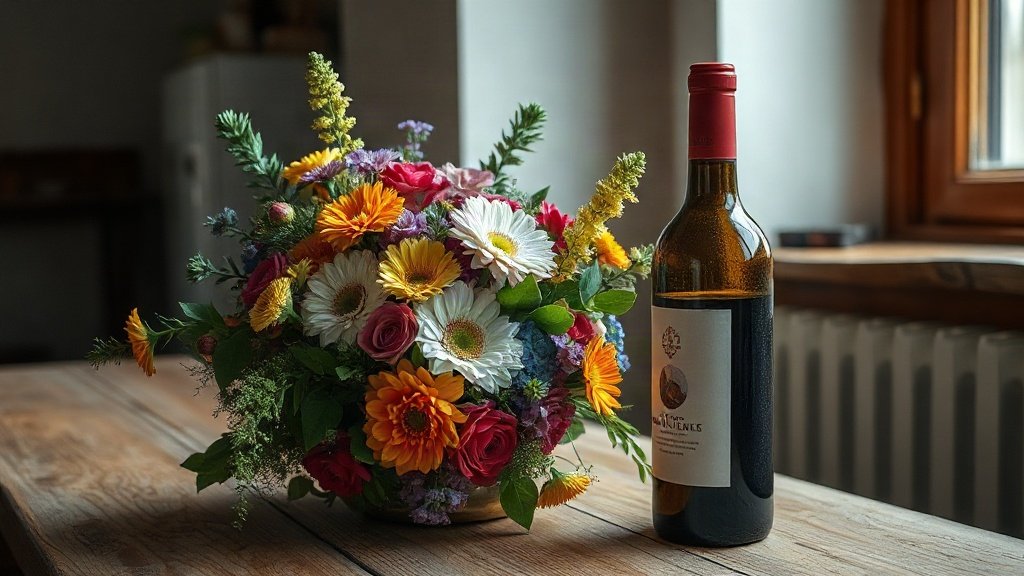
Illustration: AI-generated image
In Romania, arriving at someone's home empty-handed is often seen as a missed opportunity to show appreciation. Whether you're invited for dinner, celebrating a name day or attending a wedding, a small, thoughtful gift goes a long way. This guide covers the unwritten rules of Romanian gift-giving so you can navigate any occasion with confidence.
General Principles
Romanian hospitality is warm and generous, and guests are expected to reciprocate with a token of thanks. Gifts need not be expensive; it's the gesture that counts. Always bring something for the host or hostess, even if you're just popping in for coffee. Common choices include flowers, wine, chocolates or a box of quality sweets.
Flowers: The Classic Choice
Flowers are a safe and appreciated gift for many occasions, but there are important rules. Always give an odd number of stems – even numbers are reserved for funerals. Avoid chrysanthemums for festive events, as they are associated with graves and mourning. Roses, carnations, tulips and seasonal blooms are popular. When presenting flowers, remove the shop wrapping before handing them over; it's considered more elegant and personal.
Alcohol and Food Gifts
A bottle of wine, a flask of țuică or a quality spirit is a common gift for hosts, especially if they enjoy a drink. If you know the host doesn't drink alcohol, opt for high-quality coffee, tea or a box of fine chocolates instead. Homemade preserves, such as dulceață or zacuscă, are also cherished, as are cakes or pastries from a reputable bakery.
Gifts for Children
If the household has children, bringing a small gift for them is a lovely touch. Toys, books, colouring sets or sweets are all welcome. Avoid noisy toys unless you know the parents well! During holidays like Christmas or Easter, children expect small presents, so a little something will make you very popular.
Occasion-Specific Etiquette
- Name days: On a person's name day (onomastica), bring flowers, a small gift or a card. It's customary to congratulate them with "La mulți ani!"
- Birthdays: Similar to name days, but a bit more personal. A book, a bottle of wine or something related to their hobbies works well.
- Christmas: Gifts are usually exchanged on Christmas Eve or Christmas Day, often after the traditional meal. Children receive presents from Moș Crăciun (Santa Claus).
- Easter: Bring painted eggs, cozonac or a small gift. Red eggs are symbolic and often exchanged.
- Weddings: Money is the most common and practical gift, often placed in an envelope and handed to the couple or their parents. The amount depends on your relationship and the wedding's scale.
- Christenings: Monetary gifts or religious items such as a small icon or cross are appropriate. Godparents usually give more substantial gifts.
- Housewarmings: Bring bread, salt and wine as traditional symbols of prosperity, or a practical item for the new home.
When You're Invited for a Meal
If you're invited to lunch or dinner, it's polite to bring a dessert, a bottle of wine or a bouquet for the host. Offer to help in the kitchen, but don't insist if the host declines; Romanians often prefer to manage everything themselves. After the meal, a sincere compliment about the food is always appreciated.
Opening Gifts
Unlike in some cultures, gifts are usually opened after the guests have left or at a later time, especially at larger gatherings. If the host opens your gift in front of you, express your thanks and show genuine pleasure. A handwritten card is always a nice touch, though not mandatory.
Ultimately, the thought behind the gift matters more than its price tag. When in doubt, a bouquet of flowers and a warm smile will never go amiss.