How to Start Composting at Home in Romania: A Practical Guide
Turn kitchen scraps and garden waste into rich soil for your plants. Composting is easy, cheap and a long-standing tradition in Romanian households.
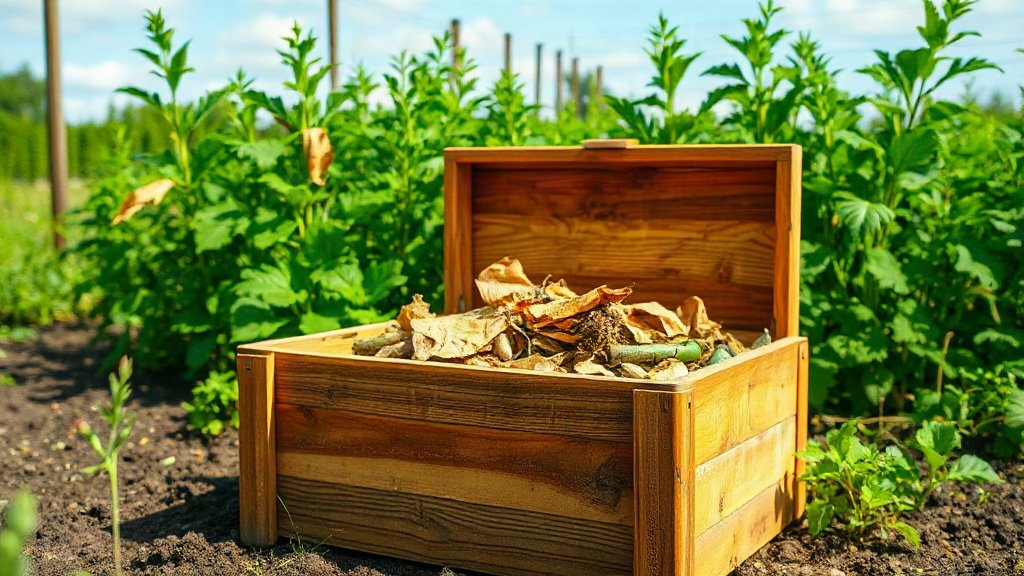
Illustration: AI-generated image
Composting is a simple way to reduce household waste and create nutrient-rich soil for your garden or potted plants. In Romania, where many families have a grădină (garden) or at least a balcony, composting fits naturally into everyday life. You don't need special equipment or a large space—just a corner and a little patience.
What You Can Compost
The golden rule is to balance 'greens' and 'browns'. Greens are wet, nitrogen-rich materials: fruit and vegetable peelings, coffee grounds, tea bags, fresh grass clippings and wilted flowers. Browns are dry, carbon-rich materials: dead leaves, straw, sawdust, shredded paper and cardboard. Aim for roughly two parts brown to one part green by volume.
Avoid meat, fish, dairy products, oils and cooked food, as these attract pests and create bad smells. Also skip diseased plants, weeds with seeds and pet waste.
Setting Up Your Compost Bin
Choose a shady, well-drained spot in your garden or on your balcony. You can buy a ready-made compost bin, build one from wooden pallets, or simply make a heap enclosed with wire mesh. For balconies, a small plastic bin with a lid works well.
Start with a layer of coarse brown material, like twigs, to help airflow. Then alternate layers of greens and browns, finishing with a brown layer to keep smells in. Keep the pile as moist as a wrung-out sponge—sprinkle water if it's too dry, add dry browns if it's too wet.
Maintaining Your Compost
Turn the pile every few weeks with a garden fork to add oxygen, which speeds up decomposition. In warm weather, compost can be ready in three to six months; in cooler months it takes longer. If it smells rotten, add more browns and turn it. If nothing is happening, add more greens and check the moisture.
Using Your Finished Compost
Compost is ready when it is dark, crumbly and smells like earth. Mix it into garden beds before planting, use it as a mulch around trees and shrubs, or add a handful to potting soil for houseplants. It improves soil structure, retains moisture and feeds plants naturally—no chemicals needed.
Many Romanian villages have long practised composting by simply piling organic waste in a corner of the yard. By doing the same, you join a tradition that keeps gardens thriving and reduces what goes to landfill. Start small, and soon you'll have a steady supply of 'black gold' for your plants.