Romanian Clătite: A Guide to the Beloved Thin Pancakes
Clătite are Romania's take on thin pancakes, a versatile dish enjoyed sweet or savoury. Learn how they're made and the best ways to serve them.
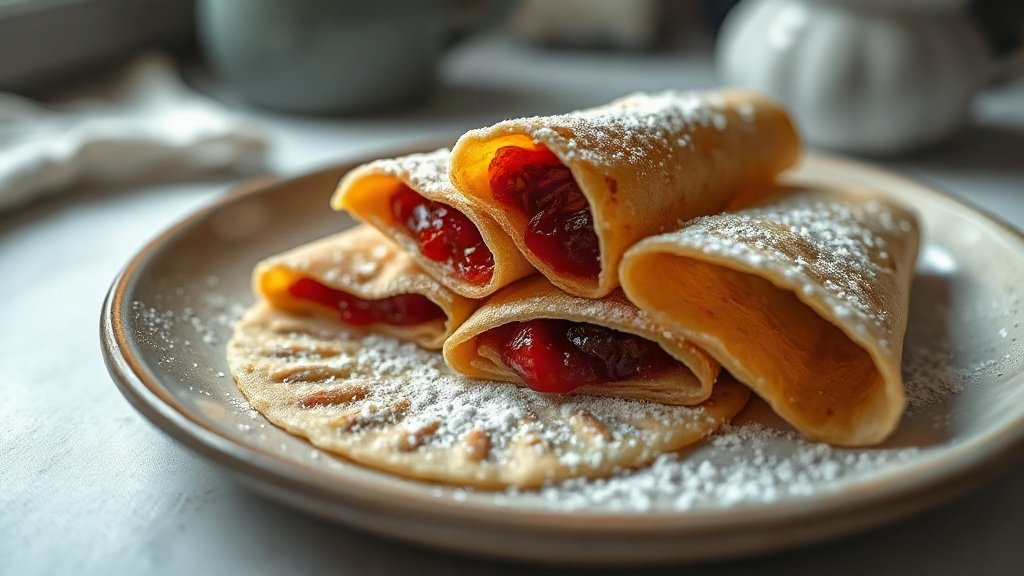
Illustration: AI-generated image
Clătite are Romania's answer to French crêpes: delicate, paper-thin pancakes that are a staple in homes across the country. Made from a simple batter of flour, eggs, milk and a pinch of salt, they can be whipped up in minutes, yet they hold a special place at family tables, from everyday breakfasts to festive gatherings. Whether rolled around sweet jam or folded over savoury cheese, clătite are a beloved comfort food that any visitor should try.
What Are Clătite?
The word "clătite" comes from the Romanian verb "a clăti", meaning to rinse or to swish, a nod to the way the batter is swirled thinly across a hot pan. They are similar to pancakes found across Central and Eastern Europe, but the Romanian version often leans towards slightly thicker, more pliable rounds that can hold generous fillings without tearing. Unlike fluffy American pancakes, clătite are almost crepe-like, with a subtle egg flavour and a tender, slightly chewy texture.
They are enjoyed at any time of day: as a quick breakfast with honey or jam, as a light lunch with cheese and herbs, or as a show-stopping dessert when drizzled with chocolate or flambéed. During Shrove Tuesday (Lăsata Secului) and other celebrations, clătite often appear as a way to use up rich ingredients before fasting periods.
How to Make the Perfect Batter
The classic batter uses only a few pantry staples: plain flour, eggs, milk, a pinch of salt, and sometimes a spoonful of oil or melted butter. Many home cooks add a splash of sparkling water to make the pancakes extra light, while others use a little sugar for sweet versions. The key lies in the consistency: it should be thin enough to coat the back of a spoon but thick enough to set quickly in the pan.
For the best results, whisk the ingredients until smooth, then let the batter rest for at least 30 minutes. This allows the gluten to relax, resulting in more tender pancakes. Cook each clătită in a lightly greased, hot non-stick pan, pouring just enough batter to cover the base in a thin layer. Flip when the edges look dry and the underside is golden, then cook the second side briefly.
Traditional Fillings and Serving Ideas
The beauty of clătite lies in their versatility. Sweet fillings are the most common, and the options are endless:
- Jam: Plum, apricot, sour cherry or rosehip jam are classic choices.
- Sweet cheese: A mixture of fresh cow's cheese (like urdă or brânză de vaci) with sugar, vanilla, and sometimes raisins.
- Chocolate and nuts: Melted chocolate spread, ground walnuts with honey, or a simple dusting of icing sugar.
Savoury clătite are equally popular, often filled with grated telemea cheese and fresh dill, sautéed mushrooms, spinach, or even a meat ragù. They can be served rolled, folded into triangles, or stacked and baked in the oven with a creamy sauce for a more substantial dish.
For a truly Romanian touch, serve clătite warm with a dollop of sour cream (smântână) or a drizzle of fruit syrup. Some restaurants offer them flambéed with rum or cognac, adding a dramatic flair to the final course.
Where to Enjoy Clătite
You'll find clătite in almost every Romanian home, and they are a staple on the menus of traditional restaurants, especially in tourist areas. Street food stalls at fairs and Christmas markets often sell them hot off the griddle, folded into cones and filled with chocolate or jam. Because they are so easy to make, they are also a favourite for home cooks, and many families have their own cherished recipe passed down through generations.
Tips for Making Clătite at Home
If you want to try your hand at clătite, a few practical tips will help. First, don't overmix the batter, as this can develop too much gluten and make the pancakes tough. Second, use a ladle to pour a consistent amount each time, and tilt the pan quickly to spread the batter evenly. Third, keep cooked clătite warm in a low oven between sheets of baking paper until you're ready to serve. Leftovers can be refrigerated and reheated, or frozen for up to a month.
Clătite are more than just a simple pancake; they are a canvas for both sweet and savoury creativity, and a taste of everyday Romanian hospitality. Whether you enjoy them from a street vendor or make them in your own kitchen, they offer a delicious introduction to the country's rich culinary traditions.