How to Pay Your Bills in Romania: A Practical Guide to Payment Methods
From bank transfers to payment kiosks, here’s everything you need to know about settling utility, tax and other bills in Romania.
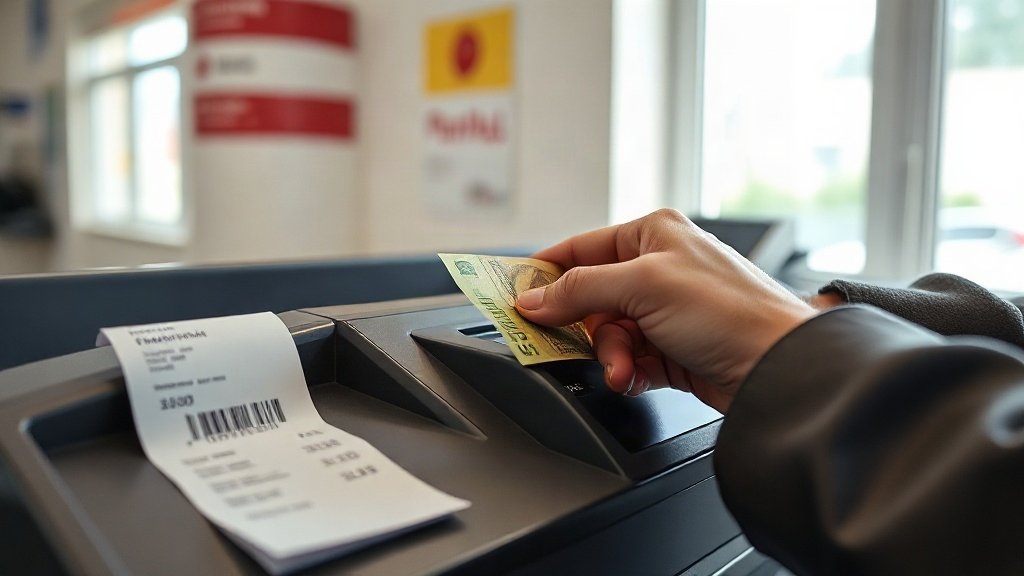
Illustration: AI-generated image
Whether you’re new to Romania or have lived here for years, understanding how to pay your bills can save time and help you avoid late fees. From electricity and gas to local taxes and internet, there are several reliable ways to settle what you owe. This guide walks you through the main options, so you can choose the method that suits you best.
Understanding your bill
Most utility providers in Romania send monthly or bi-monthly invoices by post or electronically. A typical bill includes your customer number, the billing period, the amount due, and the payment deadline. It’s important to check that the meter readings match your actual consumption, especially if you receive an estimated bill. If you’ve opted for e-billing, you’ll usually get an email with a PDF attachment or a link to an online portal.
Common payment methods
Bank transfer is one of the most straightforward options. You can pay via online banking, a mobile banking app, or in person at a bank branch. You’ll need the provider’s IBAN and your customer reference number, both of which appear on the invoice. Many banks allow you to save regular payees for quicker payments each month.
Direct debit (or standing order) lets you authorise your bank to pay a fixed or variable amount automatically on a set date. Some providers offer a small discount for customers who choose this method, but check the terms carefully, as you’ll need to ensure sufficient funds are in your account.
The post office remains a popular choice, especially for older residents or those who prefer cash. You can take your paper bill to any Romanian Post office and pay over the counter. A small commission may apply, and you’ll receive a receipt as proof of payment.
Payment kiosks (also called self-service payment machines) are found in many supermarkets, shopping centres, and post offices. They accept cash or card and can process bills for multiple providers. The interface is usually available in Romanian and sometimes English; you simply scan the barcode on your bill or enter the customer number.
Online portals are increasingly common. Many utility companies have their own websites where you can log in, view invoices, and pay by card. For local taxes and some other public fees, the national electronic payment system (ghiseul.ro) allows you to pay with a card after registering. Some municipalities also have their own portals.
Mobile apps from banks or payment aggregators let you pay bills from your phone in a few taps. Often you can photograph the bill’s barcode and the app will fill in the details automatically.
Setting up automatic payments
If you prefer a hands-off approach, consider setting up a direct debit for utilities that bill regularly, such as electricity or internet. You’ll need to complete a mandate form provided by your bank or the billing company. For variable amounts, the provider will notify you of the sum before the due date, so you can make sure the account is funded.
Tips for avoiding late fees
Mark payment deadlines on a calendar or set reminders on your phone. If you pay by bank transfer, allow two to three working days for the money to reach the provider; paying on the last day may result in a late fee. Keep all receipts or confirmation messages until the next bill arrives, in case of disputes. Some providers offer a short grace period, but it’s best not to rely on it.
Whichever method you choose, paying your bills in Romania is straightforward once you know the options. Experiment with a few approaches to find what works best for your routine and budget.