Romania Wine Regions: A Traveller's Guide to Vineyards and Tastings
Explore the country's historic wine routes, from the hills of Dealu Mare to the sun-soaked vineyards of Murfatlar.
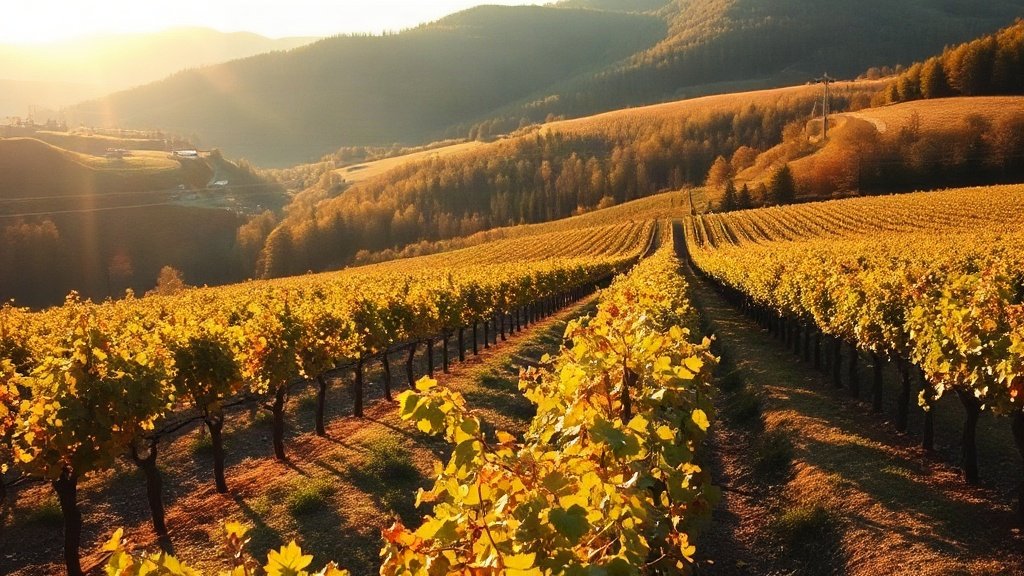
Illustration: AI-generated image
Romania is one of Europe's oldest wine-producing countries, yet its vineyards remain delightfully under the radar for many travellers. From the rolling hills of Transylvania to the sun-baked plains near the Black Sea, wine tourism here is intimate, affordable and rooted in centuries of tradition. Whether you are a casual sipper or a dedicated oenophile, exploring Romania's wine regions offers a delicious way to see the countryside and meet local families who have tended vines for generations.
Key Wine Regions to Explore
Dealu Mare – Often called the 'Tuscany of Romania', this region in the southern foothills of the Carpathians is famous for robust reds, especially Fetească Neagră and Cabernet Sauvignon. The sunny slopes and mineral-rich soils produce wines of depth and character. Many wineries offer tastings in restored manor houses or modern cellars, and the landscape of neat vine rows and old villages is perfect for a leisurely drive.
Cotnari – In the hills of Moldavia, Cotnari is steeped in history: its sweet white wines were favoured by princes and poets. The local Grasă de Cotnari grape yields aromatic, honeyed wines with a long finish. A visit here often includes tours of ancient cellars and the chance to taste wines that are rarely exported.
Murfatlar – Near the Black Sea coast, Murfatlar benefits from long, hot summers and maritime breezes. It is known for both whites and reds, with Chardonnay, Pinot Gris and the local Fetească Regală among the stars. This region is ideal to combine with a beach holiday or a visit to the Danube Delta.
Târnave – In the heart of Transylvania, Târnave is one of the coolest wine regions, producing crisp, aromatic whites. The Jidvei area is particularly scenic, with Saxon fortified churches dotting the landscape between vineyards.
Planning Your Visit
Wine tourism in Romania is still developing, so it is wise to arrange tastings in advance, especially outside peak summer months. Many wineries welcome visitors by appointment, and some offer guided tours in English. If you prefer independence, rent a car and follow the well-marked wine roads – each region has signposted routes that connect wineries, viewpoints and rural guesthouses.
The best time to visit is late spring through early autumn, when the vines are green and the weather is mild. September and October bring the excitement of harvest, and some wineries host open days or harvest festivals.
Grape Varieties to Know
Romania's indigenous grapes are a highlight for curious palates. Look for these on tasting menus:
- Fetească Neagră – the most famous red, with black fruit flavours and spice.
- Fetească Albă and Fetească Regală – elegant, floral whites.
- Grasă de Cotnari – used for sweet or semi-sweet whites with apricot and honey notes.
- Tămâioasă Românească – an aromatic white, reminiscent of Muscat.
- Băbească Neagră – a light, tart red found mainly in the east.
Practical Tips for Wine Travellers
Dress comfortably and wear shoes suitable for walking in vineyards and cellars, which can be cool even in summer. Driving is the most flexible way to visit wineries, but always designate a sober driver – Romania has a zero-tolerance policy for drink-driving. Tipping for wine tastings is not customary, but buying a bottle or two is appreciated. Most wineries can arrange shipping within the country, though taking a bottle home in your luggage is simplest.
Pair your wine journey with stays in local guesthouses, where you can sample homemade cuisine matched with house wines. This adds a warm, personal touch that big hotels cannot replicate.