Romania's Shepherd Culture: A Timeless Way of Life in the Carpathians
Discover the traditions of transhumance, cheese-making and mountain life that have shaped Romania's rural culture for centuries.
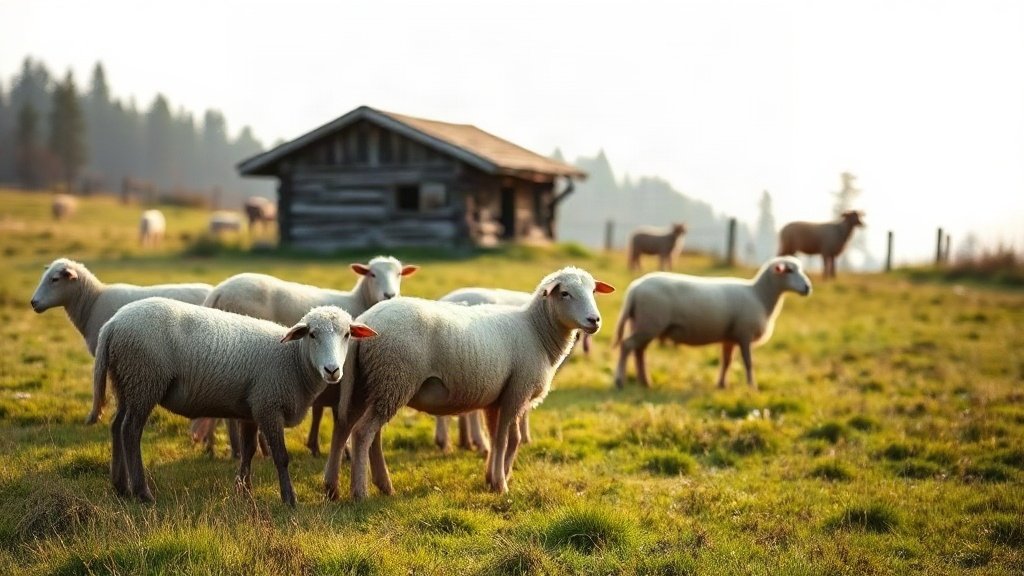
Illustration: AI-generated image
High in the Carpathian Mountains, sheep farming has shaped Romania’s landscape, economy and traditions for centuries. The seasonal movement of flocks—known as transhumance—remains a living practice in many regions, connecting lowland villages with lush alpine pastures each summer. This ancient rhythm has given rise to a rich culture of music, craft and community that continues to fascinate visitors and locals alike.
The Rhythm of Transhumance
Transhumance in Romania typically begins in late spring, when shepherds lead their flocks from village grazing lands up to the high mountain pastures, or munți. The journey can take several days, following ancient routes that cross ridges and valleys. Shepherds spend the summer at a stână—a simple sheepfold with huts for sleeping, milking and cheese-making. In autumn, they return to the lowlands before the first snows, often accompanied by festivals celebrating the safe return of the animals.
Life at the Stână
At the sheepfold, daily life revolves around the flock. Milking takes place twice a day, and the fresh milk is turned into a variety of cheeses, including caș, telemea and brânză de burduf, a strong-flavoured cheese aged in fir-tree bark. Shepherds also produce jintiță, a sweet whey drink, and urdă, a soft ricotta-like cheese. These products are not only important for local diets but also carry deep cultural meaning, often exchanged as gifts or used in rituals.
Clothing, Tools and Music
Traditional shepherd dress is practical and distinctive. A long cojoc sheepskin coat protects against cold and rain, while opinci leather sandals are ideal for rough terrain. Shepherds carry a bâtă (a carved wooden staff) and often a fluier (shepherd’s flute) for companionship. Music is integral to shepherd culture: the doina, a free-flowing lyrical song, often expresses the loneliness and beauty of mountain life. These melodies have influenced Romanian folk music broadly and are recognised as part of UNESCO’s intangible cultural heritage.
Sheep and Society
Sheep are not only an economic resource but also a symbol of purity and fertility in Romanian folklore. Lambs are central to spring and religious celebrations, while wool is woven into carpets, clothing and bags. The shepherd himself is a romantic figure—a keeper of tradition and a link to nature. Today, while the number of active shepherds has declined, the culture remains vibrant, celebrated in festivals, museums and the enduring popularity of pastoral themes in Romanian art and literature.
For travellers, visiting a sheepfold or witnessing the autumn descent of the flocks offers a rare glimpse into a way of life that has barely changed in centuries. Respectful visitors are often welcomed with fresh cheese and a story, keeping alive the hospitality that defines Romania’s mountain communities.