Retezat National Park: A Hiker's Guide to Romania's Glacial Lakes
Romania's oldest national park is a high-altitude wonderland of glacial lakes, rugged peaks and rare wildlife. Here's what you need to know before you go.
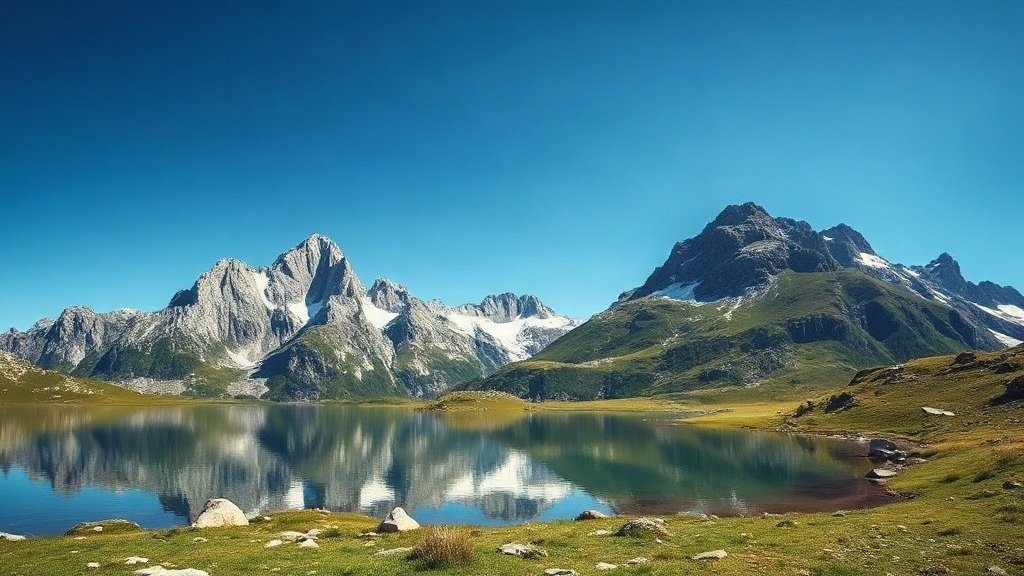
Illustration: AI-generated image
Deep in the Southern Carpathians, Retezat National Park protects one of Romania's wildest and most beautiful mountain landscapes. Established in 1935, it is the country's oldest national park and a paradise for hikers who love dramatic peaks, crystal-clear glacial lakes and a sense of true wilderness. Unlike more touristy areas, Retezat remains relatively quiet, offering a genuine back-to-nature experience.
Why Retezat is special
The park covers around 380 square kilometres and contains more than 80 glacial lakes, the highest concentration in Romania. The largest is Bucura Lake, a stunning expanse of turquoise water ringed by rocky slopes. The deepest is Zănoaga Lake, plunging to around 29 metres. These lakes were carved by ancient glaciers and are a key reason the area is often called the 'land of blue eyes'.
The high peaks also impress. Peleaga (2,509 m) and Păpușa (2,508 m) are the highest summits, while the Retezat Peak itself (2,482 m) gives the massif its name. The terrain is rugged, with steep valleys, sharp ridges and alpine meadows that burst into colour each summer.
Getting there
The main access points are from the north and east. The town of Hațeg lies to the north, while Petroșani and Lupeni sit to the east. From these towns, forest roads lead to trailheads such as Câmpu lui Neag, Râu de Mori, Gura Zlata and Buta. There is no public transport to the trailheads, so most hikers arrive by car or taxi. Parking is available at the edge of the park.
Hiking trails
Retezat has an extensive network of marked trails. The classic route from Câmpu lui Neag to Bucura Lake takes about 5–7 hours and passes through beautiful forest before emerging into the alpine zone. From Bucura, you can make day trips to Peleaga, Păpușa or the Retezat Peak, or simply relax by the lake.
Another popular approach starts at Râu de Mori and heads up to Cabana Pietrele, then continues to the lakes. This route is steep but rewarding, with excellent views. For experienced hikers, the main ridge traverse offers a spectacular multi-day trek, but it involves exposed scrambling and should not be attempted in poor weather.
Trails are generally well marked with paint stripes, but a detailed map or GPS is essential. The park is remote and mobile phone coverage is patchy.
What to see
Besides the glacial lakes, keep an eye out for the park's rich wildlife. Chamois and marmots are commonly seen on high slopes, while brown bears and wolves roam the forests, though encounters are rare. The flora is equally special, with several endemic plant species found only in Retezat.
The view from Peleaga summit on a clear day is unforgettable: a sea of peaks stretching in every direction, with the lakes glinting far below.
Practical tips
Weather in Retezat can change rapidly, even in summer. Always pack waterproof layers, warm clothing, sun protection and plenty of water. There are streams, but treat water before drinking.
Accommodation inside the park is limited to a few mountain huts and designated camping areas. Booking ahead is wise, especially on summer weekends. Outside the park, guesthouses in villages like Râu de Mori or Câmpu lui Neag provide comfortable bases.
The hiking season runs roughly from June to October, when the snow has melted from the main trails. Outside these months, the terrain can be treacherous and trails may be unmarked. Always tell someone your route and expected return time, and check local conditions before setting out.
Retezat rewards those who come prepared. Its wild beauty and sense of isolation make it one of Romania's finest mountain destinations.