Romania's Saxon Fortified Churches: A Guide to Transylvania's Hidden Gems
Discover the unique fortified churches of Transylvania, built by Saxon settlers to defend their communities. Explore their history, architecture and the best places to visit.
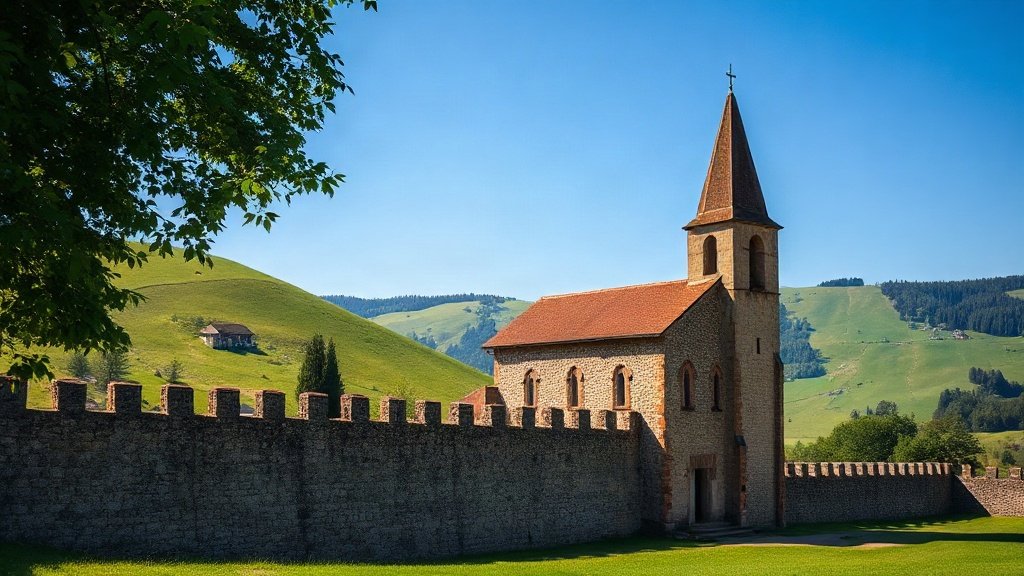
Illustration: AI-generated image
Scattered across the rolling hills of Transylvania, a remarkable collection of fortified churches stands as a testament to the region's Saxon heritage. Built between the 13th and 16th centuries, these sturdy structures once protected villagers from Ottoman raids, combining places of worship with ingenious defensive systems. Today, several of them form a UNESCO World Heritage Site, attracting travellers keen to uncover a side of Romania far removed from the usual tourist trails.
Why the Churches Were Fortified
Transylvania's Saxon settlers arrived from the Rhineland and Flanders in the 12th century, invited by Hungarian kings to develop the land and guard the mountain passes. As raids from the east grew more frequent, communities realised that their small stone churches could serve as refuges. Over time, they added thick walls, towers, bastions and even moats, creating self-contained fortresses. Some churches were entirely enclosed within ring walls, with storage rooms for grain and cattle, allowing villagers to withstand prolonged sieges.
Standout Fortified Churches to Visit
Each fortified church has its own character, but several are particularly rewarding for visitors.
- Biertan: This late-Gothic church, surrounded by three concentric walls, is one of the largest and most impressive. Its intricate wooden door with a complex locking mechanism once secured the treasury, and the nearby tower contains a 'divorce room' where couples were confined to encourage reconciliation.
- Prejmer: The largest fortified church in southeastern Europe, Prejmer features a circular curtain wall with over 270 rooms built into its thickness. These rooms could shelter villagers and store supplies during attacks, while the central church retains original 15th-century frescoes.
- Viscri: Made famous by its royal connections and restoration efforts, Viscri's whitewashed church sits atop a hill with a simple museum inside. The village itself offers a glimpse of traditional Saxon life, with well-preserved houses and quiet lanes.
- Hărman: Close to Brașov, this compact fortress boasts a tall bell tower and well-preserved defensive walls. The church interior contains medieval pews and oriental carpets donated by Saxon merchants.
Planning Your Visit
The fortified churches are spread across a wide area, so a car is the most flexible way to explore. Many are in villages with limited public transport, though some, like Hărman and Prejmer, are reachable by bus from Brașov. Cycling routes connect several churches, especially around Sighișoara and Mediaș, offering a scenic way to travel between them.
Most churches charge a small entry fee to support conservation, and opening hours vary by season. It is worth checking locally or asking at your accommodation before setting out. Some churches are still active places of worship, so dress respectfully and be mindful during services.
Beyond the Fortresses
Visiting these churches also provides a window into traditional Saxon village life. Many communities maintain their historic architecture, and you might see horse-drawn carts, cobbled streets and colourful houses. Local guesthouses often serve hearty Transylvanian food, making an overnight stay a rewarding addition to a day trip.
Whether you are a history enthusiast, an architecture lover or simply curious about a different side of Romania, the Saxon fortified churches offer a fascinating journey into a resilient past. Their quiet dignity and remarkable preservation make them an essential stop on any Transylvanian itinerary.