Ostropel: Romania's Tangy Garlic and Tomato Stew Explained
Ostropel is a beloved Romanian comfort food—a hearty stew of meat simmered in a rich, tangy sauce of tomatoes, garlic and herbs. Here's how to make it and how it varies across the country.
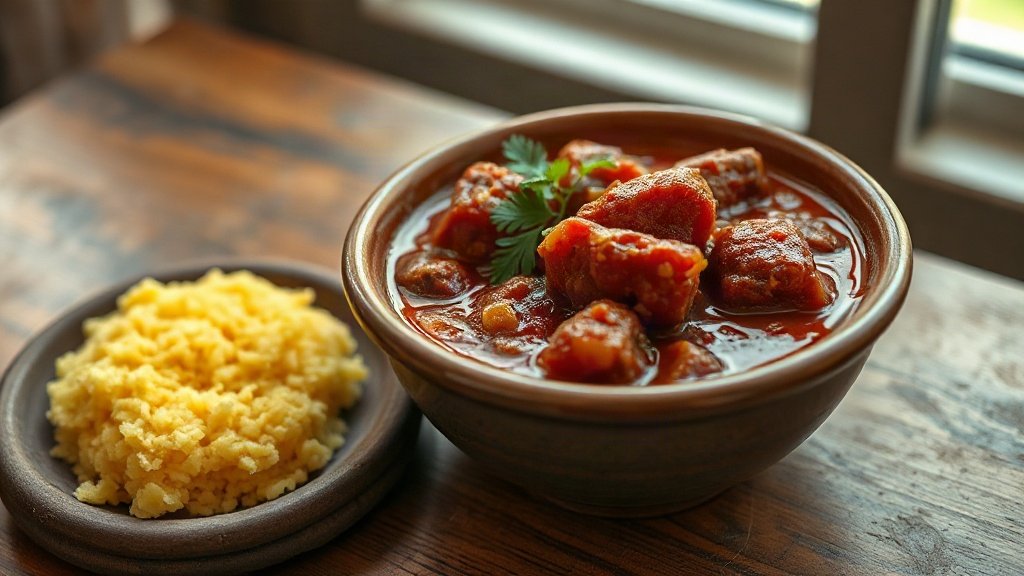
Illustration: AI-generated image
Ostropel is one of those dishes that feels like a warm hug on a cold evening. It's a traditional Romanian stew, typically made with pork or chicken, simmered slowly in a rich, tangy sauce built on tomatoes, garlic and a generous splash of wine or vinegar. The result is tender meat coated in a glossy, deeply savoury sauce that begs to be mopped up with a piece of crusty bread or a spoonful of mămăligă.
The name 'ostropel' is thought to come from the Romanian verb a ostropeli, meaning to simmer or stew in a sauce. While its exact origins are fuzzy, the dish is firmly rooted in home cooking across Romania, appearing on both everyday tables and festive spreads. It's a perfect example of how simple ingredients can be transformed into something profoundly satisfying.
What goes into ostropel?
The heart of ostropel is the sauce. It always contains plenty of garlic—often a whole head, crushed or finely chopped—along with tomatoes, either fresh, canned, or as a paste. Onions are usually fried first to create a sweet base, and then the meat is browned before everything is combined and left to simmer gently.
The tanginess comes from either a splash of white wine, a spoonful of vinegar, or sometimes both. In some regions, a little sugar is added to balance the acidity, while others rely purely on the natural sweetness of slowly cooked onions. Fresh herbs like parsley, dill, or thyme are stirred in at the end for brightness.
Pork is the most common choice—shoulder or leg, cut into bite-sized pieces—but chicken thighs or legs work beautifully too. In rural areas, you might find ostropel made with rabbit or even game birds, while some home cooks create a vegetarian version using mushrooms, aubergine, or courgettes.
How to make a classic ostropel
The method is straightforward and forgiving, perfect for both novice and experienced cooks.
- Start by heating a little oil or lard in a heavy-bottomed pot. Brown the meat in batches until golden on all sides, then remove and set aside.
- In the same pot, soften finely chopped onions over medium heat until translucent. Add a generous amount of minced garlic—at least five or six cloves, but more if you love it—and cook for another minute until fragrant.
- Stir in a couple of tablespoons of tomato paste and let it cook for a minute to deepen its flavour. If using fresh tomatoes, add them now, chopped roughly, and cook until they break down.
- Return the meat to the pot along with any juices. Pour in a glass of white wine or a splash of water mixed with a tablespoon of vinegar. Season with salt, pepper, and a pinch of sweet paprika if you like.
- Bring to a simmer, then cover and cook on low heat for about an hour, or until the meat is fork-tender. Check occasionally and add a little water if the sauce becomes too thick.
- Finish with a handful of chopped fresh parsley or dill. Taste and adjust the seasoning—it should be boldly garlicky with a pleasant tang.
Serving suggestions
Ostropel is traditionally served with mămăligă, Romania's golden polenta, which soaks up the sauce beautifully. Mashed potatoes or simple boiled potatoes are also common, and a side of pickled vegetables—murături—adds a welcome crunch and acidity. A crisp green salad or some stewed seasonal vegetables round out the meal.
Leftovers taste even better the next day, as the flavours meld and deepen. Gently reheat on the stove and serve with fresh mămăligă or crusty bread.
Variations across Romania
While the basic recipe is consistent, you'll find regional twists. In Moldova, ostropel is often made with chicken and finished with a spoonful of smântână (sour cream) for a richer sauce. In Transylvania, cooks may add a little smoked paprika or use smoked pork for extra depth. By the Black Sea coast, a fish version appears, using firm white fish like carp or cod.
No matter the variation, ostropel remains a celebration of simple, honest ingredients. It's a dish that connects Romanians to their kitchens and their heritage, one garlicky, tangy bite at a time.