November 1: EU Founded, Ottoman Sultan Abdicates, and Sistine Chapel Unveiled
On 1 November, the European Union was founded, the last Ottoman sultan abdicated, and Michelangelo's Sistine Chapel ceiling was unveiled. The day before saw the completion of the 'Last Judgment' and the Battle of Britain victory.
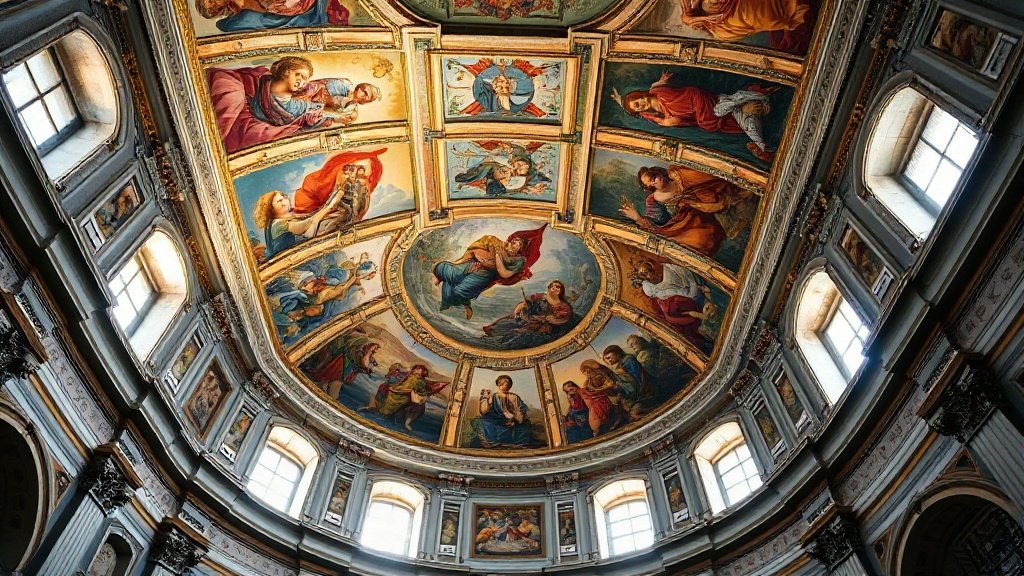
Illustration: AI-generated image
On 1 November, history marks several significant events, from the birth of the European Union to the abdication of the last Ottoman sultan. The day before, 31 October, also saw major milestones, including the completion of Michelangelo's "Last Judgment" fresco and the victory in the Battle of Britain.
European Union is born – On 1 November 1993, the Maastricht Treaty entered into force, officially creating the European Union. Signed in 1992 by member states of the European Community, the treaty introduced the concepts of European citizenship and a common currency. The EU initially had 12 member countries, all in Western Europe. The euro currency appeared in 1999, and in 2004 the first former communist states joined the bloc.
Last Ottoman sultan abdicates – On 1 November 1922, Mehmed VI, the last sultan of the Ottoman Empire, stepped down after a four-year reign. This ended 623 years of Ottoman monarchy. The empire, which had delivered the final blow to the Byzantine Empire, once stretched from the Adriatic to the Caspian and from the northern Black Sea to the southern Red Sea. It was replaced by the Republic of Turkey, with Mustafa Kemal Atatürk as its first president.
Sistine Chapel ceiling unveiled – On 1 November 1512, the public saw for the first time the ceiling of the Sistine Chapel in the Vatican, painted by Michelangelo. Commissioned by Pope Julius II, Michelangelo spent four years painting nine frescoes depicting the creation of the world, God's relationship with humanity, and the fall of man. In total, he painted over 3,000 figures. An Italian historian present at the unveiling said those in attendance were left speechless.
Michelangelo finishes "The Last Judgment" – The day before, on 31 October 1541, Michelangelo completed another masterpiece in the same chapel: the fresco "The Last Judgment" on the altar wall. The work depicts the second coming of Christ and the final judgment. Michelangelo was 66 and had finished the ceiling 29 years earlier. The fresco, with nearly 300 characters, most of the men and angels painted nude, was both praised and criticised, and some figures were later covered.
Battle of Britain ends – On 31 October 1940, Britain proclaimed victory in the air battle against the Luftwaffe over the English Channel. The Battle of Britain ended with an Allied victory. Because the British air force was not defeated, Hitler indefinitely postponed the land invasion of Britain. It was the first major defeat for the Third Reich and a turning point in world history, as the British Isles remained free and later became a launchpad for the Allies who liberated Western Europe in 1944.
Stalin's body moved – The Soviet Union officially closed the last chapter of Stalin's personality cult on 31 October 1961. The dictator's body was removed from the mausoleum in Red Square and buried near the Kremlin wall. Stalin died in 1953 and his body had been embalmed and placed next to Lenin. The reburial took place discreetly, without announcement, and the plaque on the mausoleum reading "Lenin and Stalin" was replaced with the original, which read only "Lenin".