Murături: Romania's Tangy Pickled Vegetables for Winter
A guide to the crisp, sour pickles that brighten up Romanian winter meals and how to make your own at home.
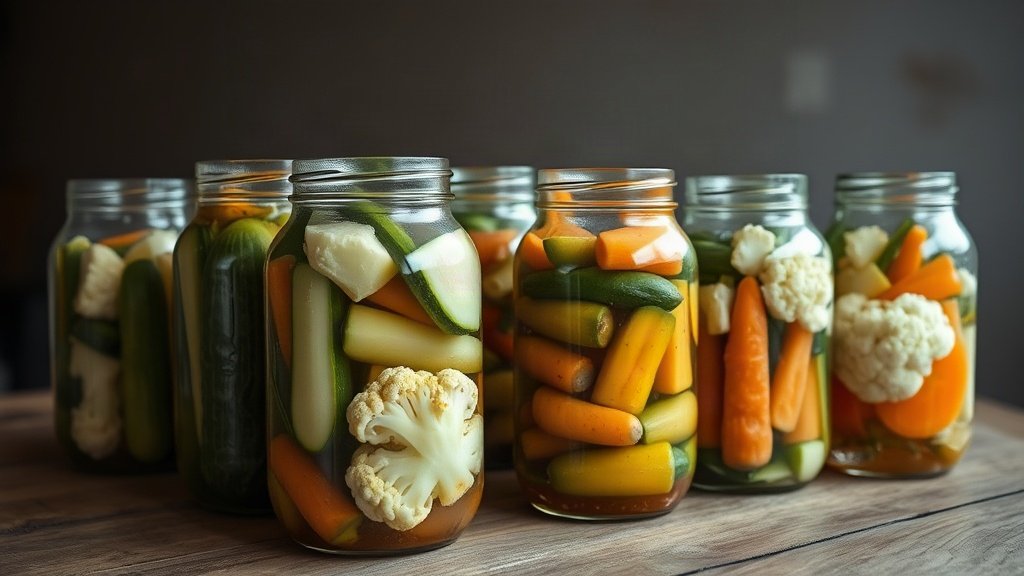
Illustration: AI-generated image
When winter settles over Romania, the dinner table often carries a jar of murături – pickled vegetables that add a sharp, refreshing bite to rich, meaty dishes. These are not the sweet bread-and-butter pickles of other cuisines; Romanian murături are boldly sour, salty and often lightly fermented, with a satisfying crunch that cuts through heavy stews and roasts.
A winter tradition
Long before refrigeration, pickling was the most reliable way to keep vegetables through the cold months. Families would fill large barrels or ceramic crocks with whatever the autumn garden offered, covering them with a salty brine flavoured with dill, garlic and horseradish. The vegetables would then ferment slowly in cool cellars, developing their characteristic tang over several weeks.
Today, even though fresh produce is available year-round, murături remain a beloved part of Romanian food culture. Many households still make their own, and jars of pickles are a common sight at markets and in shops. They are considered essential alongside hearty winter fare like sarmale (cabbage rolls), tochitură (pork stew) and fasole cu cârnați (bean and sausage stew).
Varieties to look out for
The most common murături are made from whole small cucumbers, known as castraveți murați. They are crisp and garlicky, often packed with dill and a piece of horseradish root to keep them firm. Another favourite is gogonele – firm green tomatoes pickled whole, sometimes stuffed with celery or cabbage. Their sour pop is unforgettable.
Pickled cabbage, or varză murată, deserves special mention. Whole heads of cabbage are fermented in barrels, producing both a crunchy pickle and the sour leaves needed for making sarmale. Shredded pickled cabbage is served as a salad, particularly with fatty meats. Other vegetables that appear in murături jars include cauliflower, carrots, green beans, peppers and even small watermelons. Many families prepare a mixed jar, known as murături asortate, which offers a colourful assortment.
How to make your own
Making murături at home is straightforward, though it requires a little patience. The basic brine is simply water and non-iodised salt, sometimes with a splash of vinegar for extra acidity. Traditional flavourings include fresh dill, garlic cloves, black peppercorns, bay leaves and a chunk of horseradish. Cherry or grape leaves are sometimes added to help keep vegetables crunchy.
To start, pack clean vegetables tightly into sterilised jars. Pour over the cooled brine until everything is submerged, then seal. For a true fermented pickle, leave the jars at room temperature for a few days until bubbles appear, then move them to a cool, dark place for two to four weeks. If you prefer a quicker, vinegar-based pickle, you can use a hot brine and process the jars in a water bath. Either way, the result is a tangy, satisfying condiment.
How to serve murături
Murături are traditionally served as a side dish or appetiser, often alongside slices of telemea cheese, cold cuts and fresh bread. They pair beautifully with rich stews and roasts, cutting through the fat with their acidity. A small bowl of mixed pickles is a common addition to the festive table, and the brine itself is sometimes drunk as a folk remedy for digestion or hangovers – though that is best tried with caution.
Whether you buy them from a Romanian shop or try your hand at fermenting a jar at home, murături offer a delicious introduction to a food tradition that has sustained Romanian winters for generations.