How to Lease Commercial Property in Romania: A Practical Guide
Leasing a shop, office or warehouse in Romania involves specific legal steps and local customs. Here’s what businesses should know before signing.

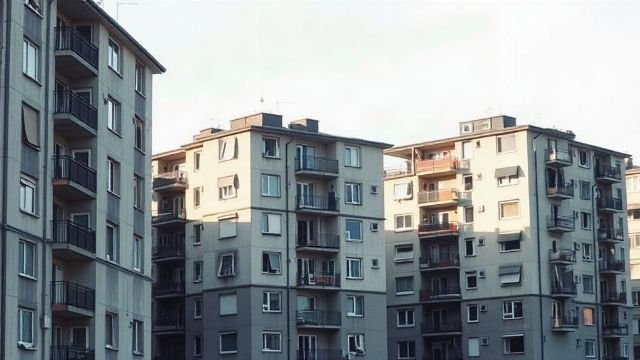
Illustration: AI-generated image
For many businesses entering Romania, finding the right commercial space is a critical early step. Whether you need a small retail unit, a modern office or a large warehouse, understanding how commercial leases work under Romanian law can save time, money and legal headaches. This guide explains the key stages and practical considerations for leasing commercial property in Romania.
Understanding the legal framework
Commercial leases in Romania are primarily governed by the Civil Code. Unlike residential tenancies, which have specific tenant protections, commercial leases offer greater contractual freedom. The parties can agree on duration, rent, indexation, termination clauses and other terms, as long as they do not violate mandatory legal provisions.
Leases can be concluded between two companies, between a company and a sole trader, or even between private individuals acting in a professional capacity. Importantly, a commercial lease does not require notarisation unless the parties choose to register it with the Land Registry, which is optional but recommended for leases exceeding three years to strengthen the tenant’s rights against third parties.
Typical lease terms and negotiation points
While each deal is unique, commercial leases in Romania often last between three and five years, with options to renew. Rent is usually expressed as a monthly amount per square metre, plus VAT, and is commonly index‑linked to inflation or a published index. Tenants should clarify what is included in the rent—for example, service charges for common areas, security, cleaning or utilities may be billed separately.
Key points to negotiate include:
- Break clauses: whether either party can terminate early and under what conditions.
- Repair obligations: who is responsible for maintenance, structural repairs and fitting out the premises.
- Alterations and signage: permission to make changes and install branding, which may require landlord consent and local authority approval.
- Assignment and subletting: the right to transfer the lease if the business changes hands or needs to downsize.
- Deposit: typically one to three months’ rent, held by the landlord as security.
Due diligence before signing
Before committing, verify that the landlord actually owns the property or has the right to lease it. Ask for a recent land registry excerpt to confirm ownership, any mortgages or other encumbrances, and the building’s authorised use. The property must have a valid building permit and a certificate of urbanism that allows the intended commercial activity. For older buildings, check for any outstanding renovation requirements or energy certificates.
It is also wise to inspect the premises with a technical expert to identify hidden defects, and to confirm that utility connections (electricity, water, gas, internet) are sufficient for your business needs.
Registration and operational requirements
Once the lease is signed, the tenant must obtain the necessary operating permits from the local authorities. This usually includes a fire safety authorisation and, for food businesses, a sanitary‑veterinary authorisation. The lease agreement itself should be registered with the tax authority if its duration exceeds one year, and the tenant must ensure the premises are used in accordance with their declared purpose to avoid fines.
For business use, the tenant must also register the secondary office or point of work with the Trade Register, which requires presenting the lease contract.
Ending the lease and moving out
Commercial leases end at the agreed term or by mutual consent, but early termination often requires notice and may incur penalties. Tenants should plan for a smooth handover, including restoring the premises to their original condition unless otherwise agreed, removing all equipment and settling outstanding utilities. A written protocol of handover signed by both parties helps avoid disputes over the deposit.
Leasing commercial property in Romania is a well‑trodden path for thousands of businesses. With a clear understanding of the legal framework, careful due diligence and a well‑negotiated contract, foreign and local companies can secure premises that support their growth without unexpected complications.