Mountain Huts in Romania: A Guide to Staying in Cabane
From high-altitude refuges to cosy chalets, Romania's network of mountain huts offers a unique way to experience the Carpathians. Here's what to expect and how to plan your stay.
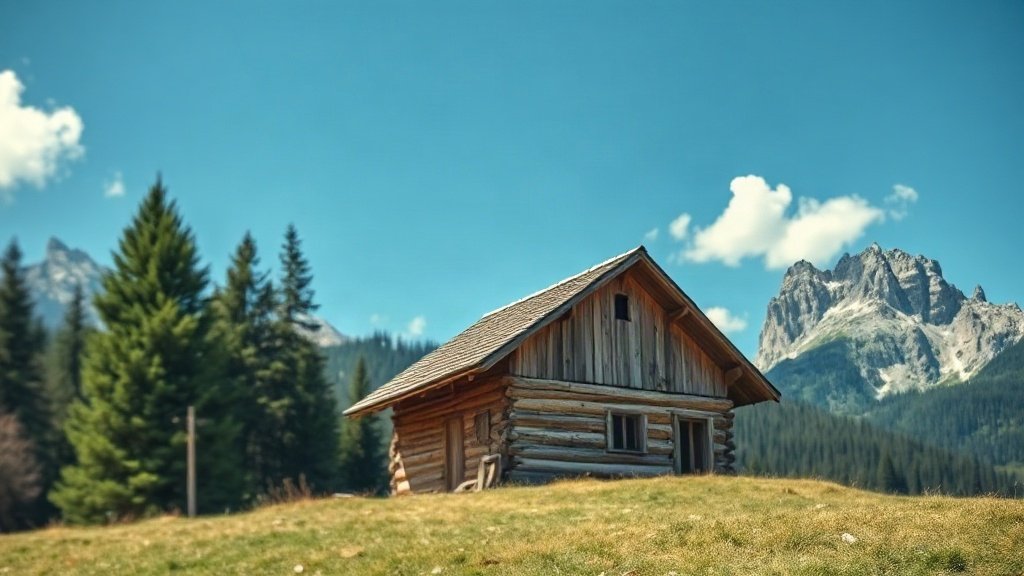
Illustration: AI-generated image
For hikers, the Romanian Carpathians offer more than just trails – they provide a network of mountain huts, known locally as cabane, that allow you to sleep high in the peaks, away from the towns below. Staying in a hut is the best way to experience the mountains at sunrise and sunset, and it opens up multi-day trekking routes that would otherwise be impossible. This guide explains what cabane are, how to find them, what to expect, and how to plan your stay.
What is a cabană?
The Romanian word cabană (plural: cabane) refers to a mountain hut or chalet. These range from basic wooden shelters with bunk beds and no running water to comfortable lodges with hot showers, heating and a kitchen serving hot meals. Many are run by the national mountain rescue service or by local mountain clubs, while others are privately operated. They are found throughout the Carpathians, from the Făgăraș and Retezat ranges in the south to the Rodna and Maramureș mountains in the north.
Types of mountain huts
Cabane come in several varieties. The most common are mountain chalets, which offer beds in shared dormitories or private rooms, and usually have a common dining area. Some also have a small shop selling snacks and drinks. Refuges are more basic, often unmanned, with only a few bunks and a wood stove – they are meant for emergencies or self-sufficient hikers. In between are guesthouses that, while still called cabane, provide a higher level of comfort, sometimes with en-suite bathrooms. Not all huts are open year-round; many close in late autumn and reopen in spring, so check before you go.
What to expect when you stay
A typical night in a cabană is simple but cosy. You will share a room with other hikers, often on bunk beds with mattresses provided. Bring your own sleeping bag or liner, as blankets are not always available. Most huts have a common room with a wood-burning stove where guests gather in the evening to dry clothes, eat and swap route advice. Meals are usually available if ordered in advance – expect hearty Romanian fare such as soup, stew and polenta. Vegetarian options are limited, so plan accordingly. Toilets and washing facilities are shared and basic, and hot water may be rationed.
Practical tips for hikers
- Book ahead: Popular huts fill up on summer weekends and during hiking season. Telephone or email to reserve a bed, especially if you want a private room.
- Carry cash: Many cabane do not accept cards, and there may be no ATM for miles. Have enough Romanian lei to cover your stay, meals and any extras.
- Respect hut etiquette: Keep noise down in the evening, clean up after yourself, and follow any instructions about water use or waste disposal.
- Be prepared: Even in summer, temperatures can drop sharply at altitude. Pack warm layers, a headtorch, and a map or GPS with the hut locations marked.
- Leave no trace: Take all rubbish back down with you, as many huts have no regular rubbish collection.
Staying in a mountain hut is a rite of passage for anyone who loves the Romanian highlands. It offers a chance to disconnect, meet fellow travellers and wake up to views that are impossible to find from a valley hotel. With a little planning, a cabană stay can be the highlight of your trip.