Moșii de Toamnă: Romania's Autumn Day of Remembrance
Each autumn, Romanians honour their departed loved ones with candles, chrysanthemums and shared food. Here's what the tradition means and how it is observed.
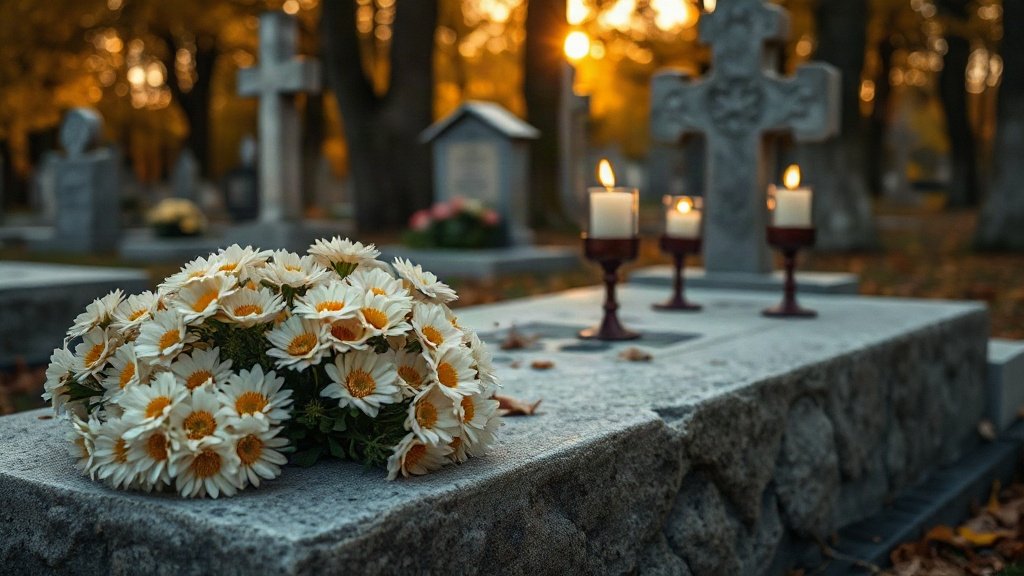
Illustration: AI-generated image
As the leaves turn golden and the air grows crisp, communities across Romania pause to remember those who have passed away. Known as Moșii de Toamnă—the Autumn Ancestors—this deeply rooted tradition blends Orthodox Christian faith with older, pre-Christian customs of honouring the dead. It is a quiet, reflective time, far removed from the noise of daily life, when families come together to show love and respect for their ancestors.
The date varies slightly from year to year, but it is always observed on a Saturday in late October or early November, usually the Saturday before the Feast of Saint Demetrius. In the Orthodox calendar, Saturdays are often dedicated to the departed, and this particular autumn Saturday is set aside for a collective act of remembrance. It is not a morbid occasion; rather, it is a hopeful one, grounded in the belief that the living and the dead remain connected through prayer and memory.
What happens on Moșii de Toamnă
The day typically begins with a visit to the local cemetery. Families tidy the graves of their relatives, pulling weeds, washing headstones and placing fresh flowers—most often chrysanthemums, the emblematic flower of autumn remembrance in Romania. Candles are lit at the grave, their small flames flickering as symbols of the soul's light and the hope of resurrection. The cemetery, usually a quiet place, becomes a gentle hub of activity as neighbours greet one another and share stories about those they have lost.
Back at home, or sometimes at the church, a special meal is prepared. The centrepiece is colivă, a sweet dish made from boiled wheat, honey, walnuts and dried fruit, often decorated with a cross or the initials of the departed. Colivă has ancient roots, symbolising the cycle of life, death and rebirth; the wheat grain must die in the earth to bring forth new life. It is blessed by a priest and then shared among family and friends.
The act of giving
Central to Moșii de Toamnă is the practice of pomană, or almsgiving. It is believed that by giving food, drink or other essentials to those in need, the living can ease the passage of souls in the afterlife and bring comfort to their own hearts. On this day, it is common to see people handing out packages containing bread, cooked dishes, fruit, candles and sometimes items of clothing or household goods. The recipients may be neighbours, the poor, or even passers-by, and the act is performed without ceremony but with a quiet sense of duty. Often, the names of the departed are spoken aloud as each gift is given, so that their memory lives on.
In rural areas, the alms might be distributed at the church gate after the memorial service, while in towns people may leave packages at the gates of those who are known to be in need. The food itself is simple and seasonal: bean soup, cabbage rolls, boiled eggs, bread and wine are typical offerings. The wine represents joy and the blood of Christ, while the bread is the staff of life. Together, they form a meal that speaks of both mourning and gratitude.
Why this tradition endures
Moșii de Toamnă reflects a worldview where death is not an end but a transition, and where the bonds of family extend beyond the grave. For younger generations, it offers a tangible way to connect with heritage and with grandparents or great-grandparents they may never have met. It also reinforces community ties: the act of giving alms turns private grief into a shared, public act of compassion. In a fast-changing country, this autumn ritual remains a steady anchor, a reminder that some things—memory, faith, and the love of family—are timeless.
Visitors to Romania in late October may notice the cemeteries glowing with candlelight or the scent of chrysanthemums in the air. If you are invited to participate, you will be welcomed with warmth. It is a tradition that needs no translation: the simple gestures of lighting a candle, sharing a meal, and saying a name aloud carry a universal meaning of love and remembrance.