Mititei: Romania's Irresistible Grilled Skinless Sausages
Discover mititei, Romania's beloved skinless grilled sausages, and learn why these garlicky, smoky rolls are a national obsession.
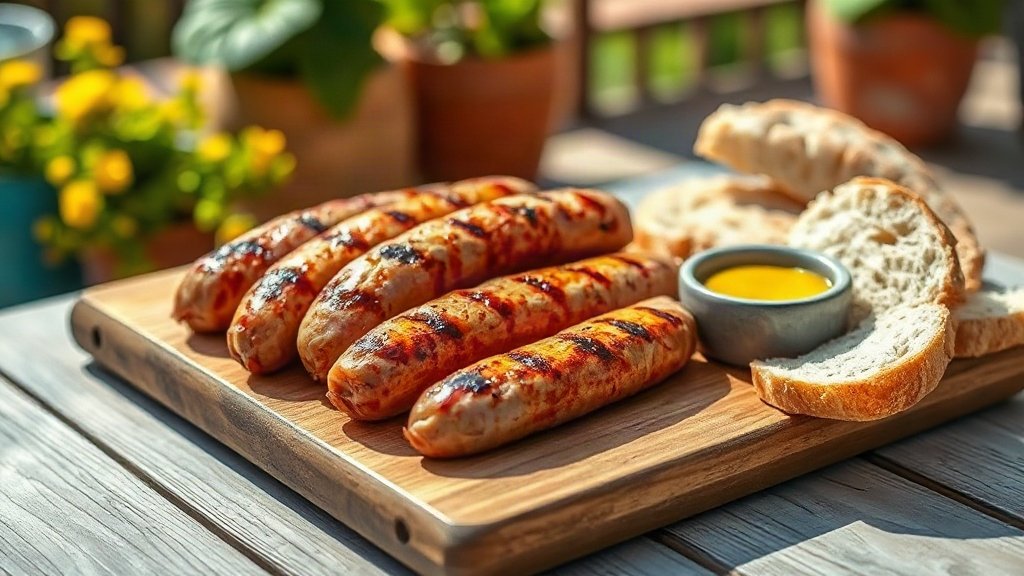
Illustration: AI-generated image
When Romanians fire up the grill, one thing is almost guaranteed to be on the menu: mititei, often called mici. These small, cylindrical, skinless meat rolls are a cornerstone of the country's food culture, served at street corners, beer gardens, and family gatherings alike.
What are mititei?
Mititei (meaning "little ones") are made from a finely ground mixture of beef, lamb, and pork, though proportions vary. The meat is seasoned generously with garlic, black pepper, thyme, paprika, and sometimes a pinch of bicarbonate of soda, which helps give them their characteristic springy, juicy texture. A little beef or vegetable broth is added to keep the mixture moist before it is shaped by hand or machine into short, stubby rolls, each about eight to ten centimetres long and two to three centimetres thick.
Unlike many sausages, mititei have no casing. They are grilled directly over hot charcoal, which sears the outside and imparts a deep smoky flavour while the inside stays tender and succulent. The result is a perfect balance of charred edges, juicy meat, and aromatic spices.
A short history
The exact origins of mititei are debated, but they are widely believed to have emerged in the late 19th century in Bucharest. One popular story credits a cook at a well-known inn who ran out of sausage casings and decided to grill the seasoned meat without them. Whatever the truth, the dish quickly became a hit and spread across the country. Today it is as iconic as the pretzel in Germany or the taco in Mexico.
How to eat mititei like a local
Mititei are rarely eaten alone. The classic accompaniment is a generous smear of sharp mustard—Romanian mustard is notoriously fiery—and a chunk of fresh white bread. Some people add a side of cold beer, which cuts through the richness of the meat. At street stands, they are often served on a paper plate with a few slices of bread and a dollop of mustard, eaten standing up while chatting with friends.
For a more substantial meal, mititei pair wonderfully with French fries, a simple tomato and onion salad, or a spoonful of zacusca, the smoky vegetable spread. During summer, they are the undisputed star of outdoor grills, but they are enjoyed year-round indoors as well.
Making mititei at home
If you want to try your hand at making mititei, start with equal parts minced beef, pork, and lamb—though lamb can be omitted for a milder taste. For every kilogram of meat, add about four cloves of crushed garlic, a teaspoon of salt, half a teaspoon of ground black pepper, a teaspoon of sweet paprika, a teaspoon of dried thyme, and a quarter teaspoon of bicarbonate of soda dissolved in a few tablespoons of cold beef broth or water. Mix everything vigorously for several minutes until the mixture becomes sticky and elastic, then refrigerate for at least a few hours, ideally overnight, to let the flavours meld.
Shape the mixture into small logs, about two centimetres in diameter and eight to ten centimetres long. Grill them over medium-high heat, turning frequently, until browned all over and cooked through, about eight to ten minutes total. Serve immediately with mustard and bread.
Whether you encounter them at a busy market stall in Bucharest or a quiet backyard barbecue in Transylvania, mititei are an essential taste of Romania. Savour them hot, with a cold drink in hand, and you'll understand why they have captured the hearts—and stomachs—of an entire nation.