Maramureș's Wooden Churches: Romania's Gothic Oak Heritage
Discover the remarkable wooden churches of Maramureș, UNESCO-listed masterpieces of medieval craftsmanship that still stand today.
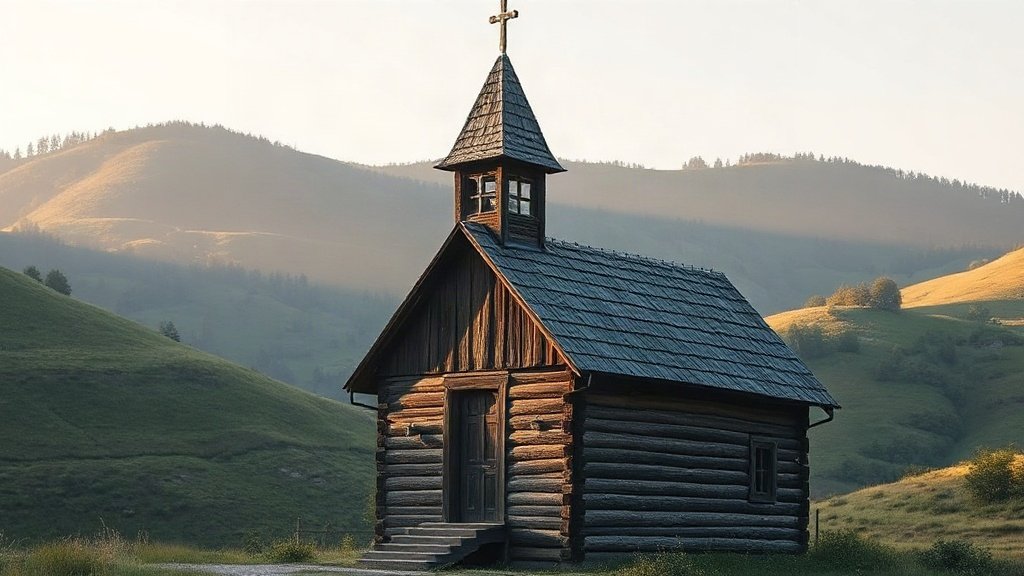
Illustration: AI-generated image
In the rolling hills of northern Romania, a remarkable architectural tradition has survived for centuries. The wooden churches of Maramureș, with their tall, slender spires and shingled roofs, are among the most distinctive landmarks in the country. Built entirely from oak and other local timbers, these churches represent a unique fusion of Gothic influences and local craftsmanship, and eight of them are inscribed on the UNESCO World Heritage List.
A Living Tradition of Wood
The tradition of building wooden churches in Maramureș stretches back to the Middle Ages, but most of the surviving examples date from the 17th to the 19th centuries. In a region rich in forests, wood was the natural building material, and local carpenters developed extraordinary skills. These churches were built without metal nails, using only wooden pegs and joints, and their construction often involved the entire community.
The churches were not merely places of worship; they were also symbols of village identity and continuity. Many were built on the sites of earlier churches, and their timber frames were carefully maintained over generations.
Architectural Wonders
The most striking feature of the Maramureș churches is their tall, narrow bell towers, which rise dramatically from the main body of the building. The towers, often over 50 metres high, are topped with a distinctive spire and a small cross. The roofs are covered with wooden shingles, which age to a silvery grey, blending harmoniously with the landscape.
Inside, the churches are adorned with vivid murals, often painted directly onto the wooden walls. These paintings depict biblical scenes, saints, and scenes of the Last Judgement, rendered in a style that combines Byzantine tradition with folk art. The interiors are dimly lit, creating a sense of reverence and mystery.
Where to See Them
The eight UNESCO-listed churches are scattered across the county of Maramureș, in villages such as Bârsana, Budești, Desești, Ieud, Plopiș, Poienile Izei, Rogoz and Șurdești. Each has its own character, but all share the same essential features. Visitors can explore the churches throughout the year, though the best time to visit is in late spring or summer, when the surrounding countryside is at its most beautiful.
A Protected Heritage
In 1999, UNESCO recognised the wooden churches of Maramureș as a World Heritage Site, noting their outstanding universal value. The designation has helped to protect these fragile buildings and raise awareness of the skills needed to preserve them. Today, efforts continue to train new generations of carpenters and restorers, ensuring that this remarkable tradition will endure for years to come.