Mămăligă: Romania's Beloved Cornmeal Staple and How to Enjoy It
Discover mămăligă, Romania’s golden cornmeal staple – its history, how it’s made, and the best ways to enjoy this versatile comfort food.
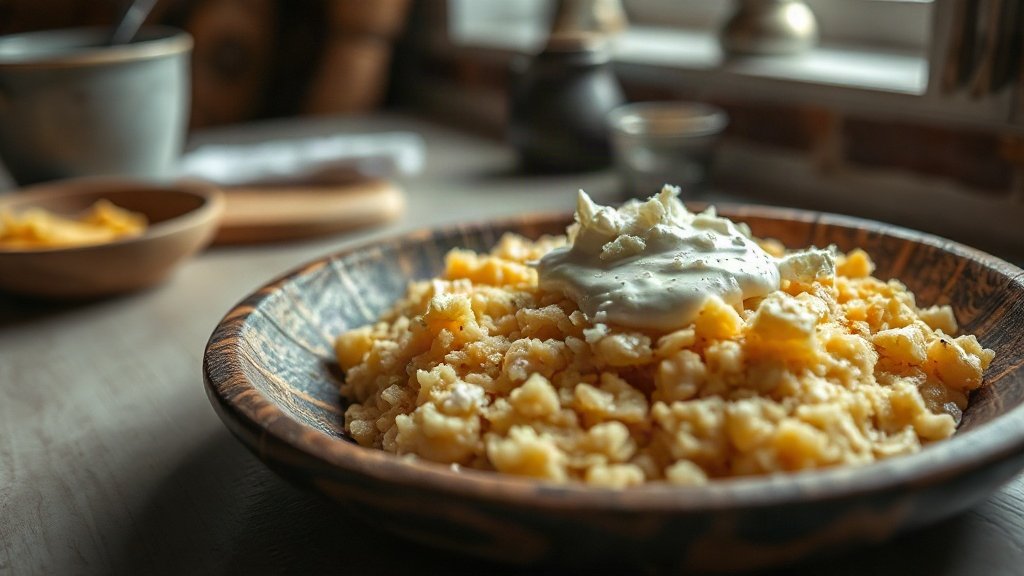
Illustration: AI-generated image
Golden, comforting and endlessly versatile, mămăligă is Romania’s beloved cornmeal porridge. Often compared to Italian polenta, it has been a staple on Romanian tables for centuries, carrying with it stories of rural life, resilience and warm hospitality.
From Humble Origins to National Icon
Mămăligă arrived in the Romanian lands in the 17th century, after corn was introduced from the Americas. It quickly replaced millet as the grain of choice for the peasant diet, particularly in the mountainous and hilly regions where wheat did not grow as well. By the 19th century, it had become so central to daily life that the Romanian word for “meal” – masă – was often used interchangeably with mămăligă.
Today, mămăligă is celebrated as a national dish. It appears in high-end restaurants and humble homes alike, a symbol of Romanian identity that connects modern diners with generations past.
How Mămăligă Is Made
The classic recipe is simple: coarse cornmeal is slowly stirred into boiling salted water until it thickens to a dense, spoonable consistency. Traditional cooks insist on using a wooden spoon and a cast-iron pot, and the process can take up to 40 minutes of patient stirring. The result is a firm yet tender mass that can be sliced like bread.
For a softer version, more water is added, producing a creamier texture known as mămăligă moale. Some families enrich it with milk, butter or cheese during cooking.
Ways to Enjoy Mămăligă
Mămăligă is a blank canvas for a range of toppings and accompaniments. Here are some classic pairings:
- With brânză and smântână – crumbled salty cheese (such as telemea) and a generous dollop of sour cream, the most traditional combination.
- As a side for stews – especially with tocană (meat stew) or sarmale (cabbage rolls), where it soaks up rich sauces.
- Fried slices – leftover mămăligă can be sliced and pan-fried until crispy, often served with eggs for breakfast.
- Layered in a baking dish – layers of mămăligă, cheese, sour cream and sometimes ham, baked until golden, known as mămăligă cu brânză la cuptor.
A Symbol of Romanian Hospitality
In rural Romania, mămăligă is more than food – it is a gesture of welcome. A common saying goes: “Mămăliga nu explodează niciodată” (“Mămăligă never explodes”), meaning that it is always safe to offer to guests, no matter how little else is available. It embodies the Romanian values of simplicity, resourcefulness and generosity.
Whether you encounter it at a village festival, a countryside inn, or a family dinner, mămăligă invites you to share in a tradition that has nourished Romanians for over three hundred years.