How to Celebrate St Andrew's Day in Romania: Garlic, Divination and Traditions
Discover the folk customs of Sfântul Andrei, Romania's patron saint, from garlic rituals to love divination.
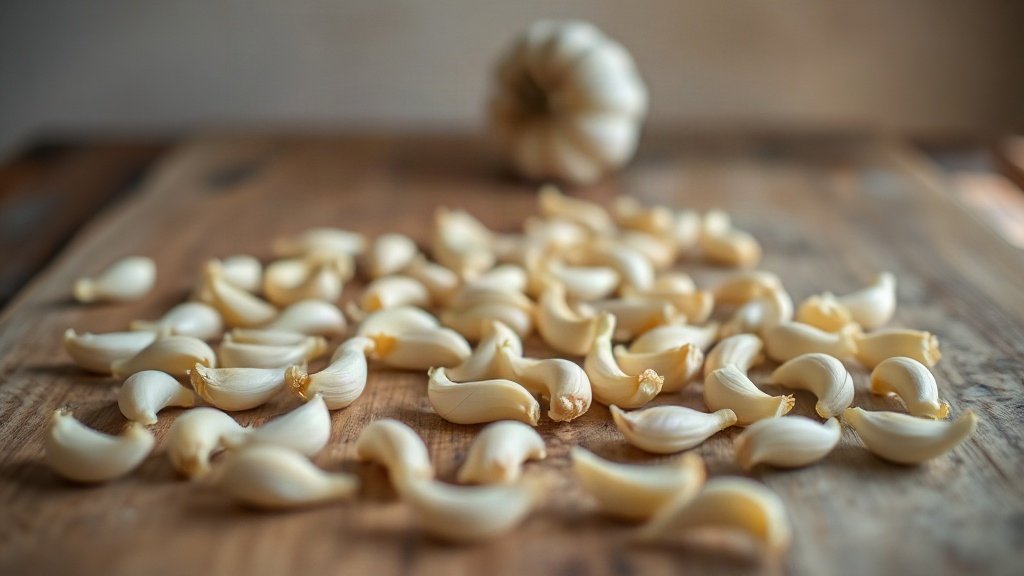
Illustration: AI-generated image
In Romania, 30 November is far more than just another autumn day. It marks the feast of Sfântul Andrei (Saint Andrew), the country’s patron saint and protector. While the Orthodox Church honours him as the first apostle to preach in these lands, the date is also steeped in ancient pre-Christian folk beliefs. The night before, known as Noaptea Sfântului Andrei, is considered a time when the veil between worlds thins and spirits walk the earth. For anyone living in or visiting Romania, understanding these customs offers a fascinating glimpse into the country’s layered cultural identity.
The Night of the Spirits
According to Romanian folklore, on the eve of St Andrew’s Day, supernatural forces are unusually active. It is said that strigoi (restless spirits) and moroi (vampiric entities) can rise from their graves, and wolves are able to speak in human voices. To protect homes and families, people traditionally use one powerful weapon: garlic.
Garlic as Protection
Garlic is believed to repel evil spirits, and on this night it is used liberally. Many Romanians rub garlic cloves on door frames, window sills, and even on the bodies of livestock. Some also eat raw garlic before bed to keep malevolent forces away. In rural areas, you might see strings of garlic hanging above doorways or crushed cloves placed at the four corners of a room. The pungent smell is considered a shield, and many families still observe this ritual even if they do not fully believe in the old stories.
Love Divination
For young women, the night of St Andrew is a time for finding out about their future husband. One common practice is to place busuioc (basil) under the pillow before sleeping; it is said the face of the intended will appear in a dream. Another tradition involves 41 grains of wheat placed under the pillow, with a light left burning all night. Yet another custom is to look into a bowl of water by candlelight, hoping to see a reflection of the future partner. These gentle divinations are still tried today, often with a wink and a smile, especially in villages where the old ways are cherished.
The Round Bread of St Andrew
In some parts of Romania, households bake a special round bread called turta lui Andrei. This simple dough, sometimes made with a coin hidden inside, is left on the doorstep or fed to animals. The belief is that St Andrew himself will come to taste it, and in doing so will bless the household with abundance and good health. Some families also place the bread on a high shelf to attract good luck for the coming year.
Modern Celebrations
Today, St Andrew’s Day is an official bank holiday in Romania, and many people use the day to attend church services, enjoy a family meal, or simply rest. In cities, the folk customs are often remembered as charming heritage rather than strictly observed. However, in the countryside, you may still find homes reeking of garlic and young people secretly trying a divination or two. For visitors, this is a wonderful time to ask locals about their family traditions and perhaps sample a dish generously seasoned with garlic—after all, it’s for your own good.