How to Obtain a Building Permit for Commercial Construction in Romania
A step-by-step guide for businesses planning new builds, extensions or major renovations, from the urbanism certificate to the final permit.
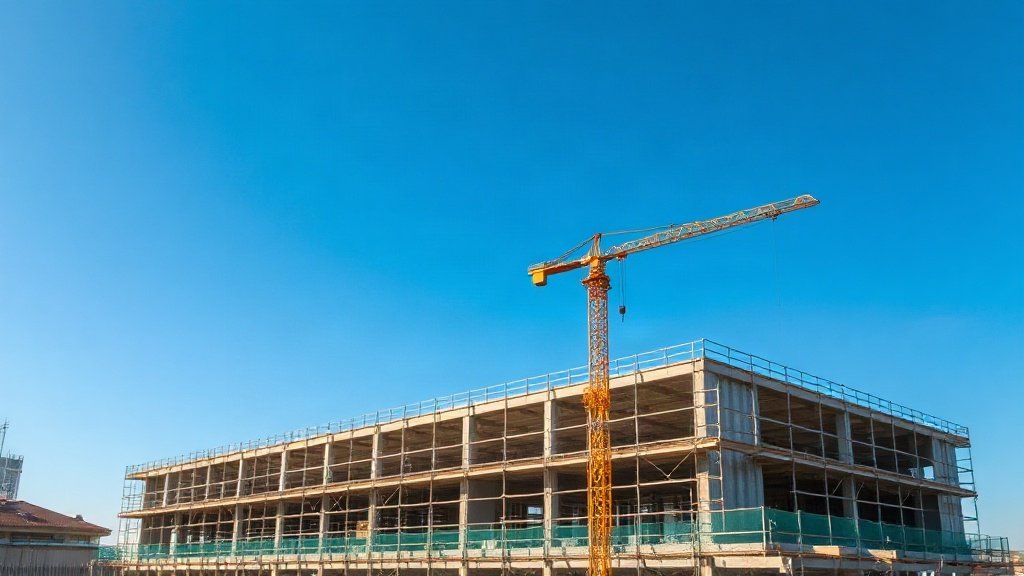
Illustration: AI-generated image
Expanding your business in Romania often means building new premises, extending an existing structure, or undertaking major renovations. Before any construction work can begin, you will need a building permit (autorizație de construire). The process involves several authorities and a clear sequence of steps. Here is a practical overview to help you navigate the requirements.
Start with the urbanism certificate
The first formal step is to obtain an urbanism certificate (certificat de urbanism) from the local council where the property is located. This document provides essential information about the legal, economic and technical requirements for your plot: land-use zoning, building height limits, permitted density, and any heritage or environmental restrictions. You can apply for this certificate even before you own the land, but it is most useful after you have a specific site in mind.
To apply, you will need a set of documents including a property title or proof of right to build, a site plan, and a brief description of your intended project. The certificate is valid for a limited period, usually 12 to 24 months, during which you must obtain the building permit.
Prepare the technical documentation
With the urbanism certificate in hand, the next step is to commission a documented technical project (proiect tehnic) from a licensed architect or design firm. This must comply with Romanian construction regulations and include architectural drawings, structural calculations, and details of utilities connections. For commercial projects, you will also need to demonstrate compliance with fire safety, accessibility and environmental standards.
Depending on the project's size and location, you may need additional approvals before applying for the building permit. These can include:
- Traffic impact assessment, if the project affects public roads
- Environmental permit, for potentially polluting activities
- Heritage approval, for buildings in protected areas
- Utility providers' agreement for water, sewage, electricity and gas
Submit the building permit application
Once all technical drawings and prior approvals are ready, you can formally apply for the building permit at the same local council. The application package typically includes:
- Completed application form
- Proof of ownership or right to build
- Urbanism certificate (still valid)
- Technical project signed by licensed professionals
- Copy of the land registry excerpt
- Receipt of payment of the architecture fee
The council's urbanism department reviews the documentation for completeness and legal compliance. If everything is in order, the permit is issued by the mayor or a delegated official. The review period varies but is generally within 30 days of submission, though complex projects may take longer.
After obtaining the permit
With the building permit in hand, you must notify the local council of the start date of construction at least three days in advance. You are also required to display the permit at the construction site. The permit is valid for a limited period, usually 12 months, and can be extended if work has begun.
During construction, you must follow the approved technical project exactly. Any major changes require a new permit or a modification to the existing one. Upon completion, you will need a completion certificate (proces-verbal de recepție la terminarea lucrărilor) and, in many cases, a fire safety approval before the building can be used for commercial purposes.
Key takeaways
Securing a building permit in Romania requires patience and attention to detail, but the process is well-defined. Start early, work with experienced local professionals, and maintain clear communication with the local authorities. This groundwork will save time and prevent costly delays as you build or expand your business premises.