How to Use Public Transport in Romania: Buses, Trams and Trolleybuses
From buying tickets to understanding routes, here's how to navigate Romania's buses, trams and trolleybuses like a local.
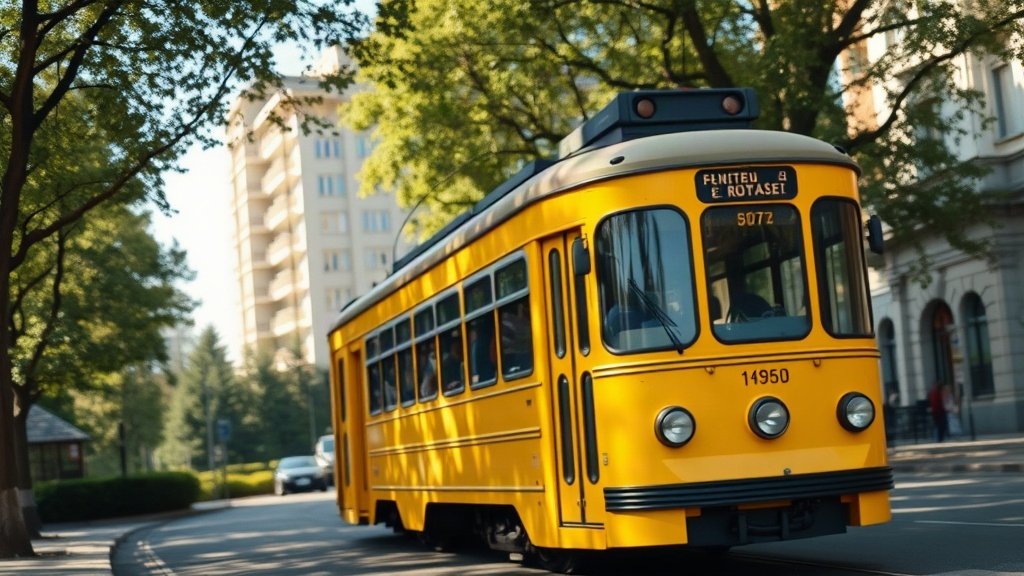
Illustration: AI-generated image
Public transport is the lifeblood of Romanian cities. From the rattling trams of Timișoara to the electric trolleybuses of Cluj-Napoca, a dense network of buses, trams and trolleybuses connects neighbourhoods, university campuses and industrial zones. For newcomers and visitors, understanding how the system works can turn a confusing journey into a smooth ride.
Tickets and Where to Buy Them
Most cities use a unified ticketing system across all surface transport. Tickets are generally available from street kiosks, newsagents, and increasingly from ticket machines at major stops. Some operators also offer mobile apps, allowing you to buy and validate tickets digitally. Always purchase your ticket before boarding, as inspectors regularly check and fines are issued on the spot.
Single-journey tickets are valid for a set period, usually 60 to 90 minutes, and allow transfers between vehicles within that window. If you plan to travel multiple times in a day, consider a day pass or a multi-journey card, which offer better value. Monthly passes are popular with residents and can often be loaded onto a reusable electronic card.
Validation and Boarding
Once on board, you must validate your ticket. In older vehicles, look for small orange or yellow boxes near the doors where you insert a paper ticket to stamp the time. In newer vehicles and on many trolleybuses, electronic validators scan QR codes or contactless cards. A green light and a beep usually confirm success. If you are unsure, watch what other passengers do or ask the driver politely.
Boarding is typically through the front door on buses, while trams and trolleybuses may allow boarding at any door. Always let passengers exit before you board, and keep your ticket or card accessible until you leave the vehicle.
Understanding the Network
Route numbers and destinations are displayed on the front and side of each vehicle. At stops, posted timetables show the schedule, though in practice vehicles may run a few minutes early or late, especially during rush hour. Many cities have real-time tracking apps that show vehicle locations, which can save you waiting in the cold.
Bucharest also has a metro system that operates separately from the surface transport, with its own ticketing. In other cities, such as Iași and Brașov, the network is entirely surface-based. Trams often have dedicated lanes, making them a reliable choice during heavy traffic.
Etiquette and Practical Tips
Romanian public transport is generally safe and orderly. Keep your belongings close, especially in crowded vehicles, as pickpocketing can occur in busy tourist areas. Offer your seat to elderly passengers, pregnant women, or those with small children—it is expected and appreciated. Avoid blocking the doors, and if you are standing, hold onto the handrails, as trams can lurch unexpectedly.
With a little preparation, public transport in Romania is an affordable and authentic way to explore the country. Whether you are commuting to work or venturing to a new neighbourhood, the trams, buses and trolleybuses are ready to carry you.