How to Set Up Utilities in a Romanian Home: A Practical Guide
Moving into a new home in Romania means sorting out water, gas, electricity and internet. Here’s what to expect and how to get connected.
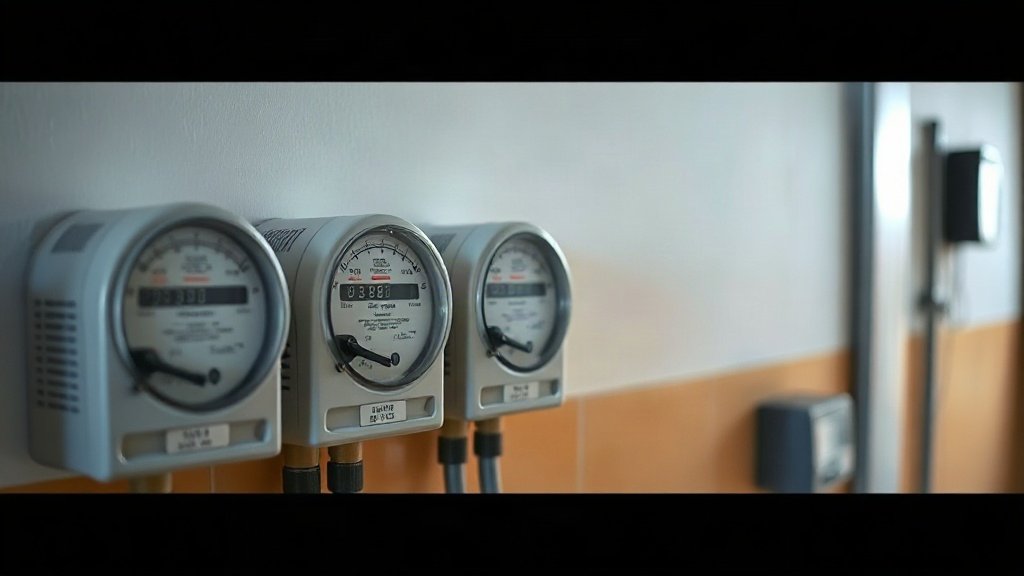
Illustration: AI-generated image
When you move into a Romanian home, whether rented or owned, you will need to arrange utility connections. The process can seem complex, but a little preparation goes a long way. This guide explains the main steps for water, gas, electricity and internet, based on common practice across the country.
Electricity
Electricity in Romania is supplied by several licensed providers, and most homes are already connected to the national grid. If you are moving into a property that has an existing meter, you simply need to transfer the supply contract into your name. You will need your identity card or passport, proof of address (such as a rental contract or ownership deed), and the current meter reading. Contact the supplier that already serves the property, or choose a new supplier from those operating in your area. In many cases, you can arrange the transfer online or by phone, and the process usually takes a few days. If the property is new or has been disconnected, you may need to request a new connection, which involves an inspection of the internal wiring and the installation of a meter. This can take several weeks, so plan ahead.
Gas
Natural gas is used for heating, hot water, and cooking in many Romanian homes, especially in urban areas. If your home has a gas connection, you must have a valid contract with a licensed gas supplier. The process is similar to electricity: you can transfer an existing contract or sign a new one. You will need your ID, proof of address, and details of the gas appliances in the property. Before gas supply is started or transferred, a technician will usually visit to check that all appliances are safe and that there are no leaks. This is an important step, and you should never attempt to connect or disconnect gas appliances yourself. If your home does not have a gas connection and you want one, you will need to contact the gas distribution company in your area, which will assess whether the property can be connected to the main network and may charge a connection fee.
Water and Sewage
Water and sewage services are usually provided by a local or regional company, and the process varies slightly from one area to another. As with other utilities, you will need to transfer the account into your name if you are taking over an existing connection. You will typically need your ID, proof of address, and the water meter reading. In apartment buildings, water meters are often located in a shared basement or utility area, so you may need to coordinate with the building administrator (administratorul blocului) to access the meter. If the property has no individual meter, the bill may be divided among residents based on the building’s total consumption and the number of people in each flat, although individual metering is increasingly standard. For new connections, the water company will inspect the plumbing and install a meter, and you may need to provide a certificate from a licensed plumber confirming that the internal installation meets legal standards.
Internet and Television
Internet access is widely available in Romanian towns and cities, with a range of providers offering fibre-optic, cable, and mobile broadband. Most providers require a minimum contract period, often 12 or 24 months, and you will need your ID and proof of address to sign up. If you already have a router from a previous tenant, you may be able to use it, but you will still need your own contract. In rural areas, coverage may be more limited, so it is worth checking which providers offer service at your exact address before you commit. Many providers also offer bundled packages that include television and landline telephone, which can be more convenient and sometimes cheaper than separate contracts. Installation is usually quick, often within a few days of signing the contract.
Paying Your Bills
Once you are connected, you will receive monthly bills by post, email, or through an online account. Most providers encourage online payment, and you can set up direct debit from a Romanian bank account or pay by card at a payment point. It is important to pay on time, as late payments can result in penalties and, in some cases, disconnection. If you are renting, make sure you understand whether utilities are included in your rent or paid separately; many landlords expect tenants to arrange and pay for their own contracts. Keeping copies of all documents and seeking help from a Romanian-speaking friend or the building administrator can make the process smoother.